NASA scientists probe Earth-like planet for atmosphere, water
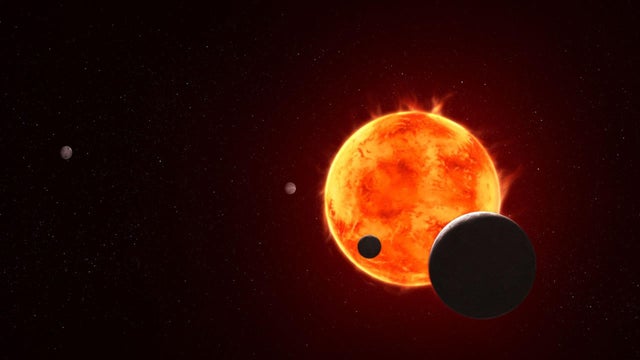
Exoplanet TRAPPIST-1 e may contain an atmosphere and liquid water, NASA scientists said. Research into the exoplanet is ongoing.
Watch CBS News
Exoplanet TRAPPIST-1 e may contain an atmosphere and liquid water, NASA scientists said. Research into the exoplanet is ongoing.
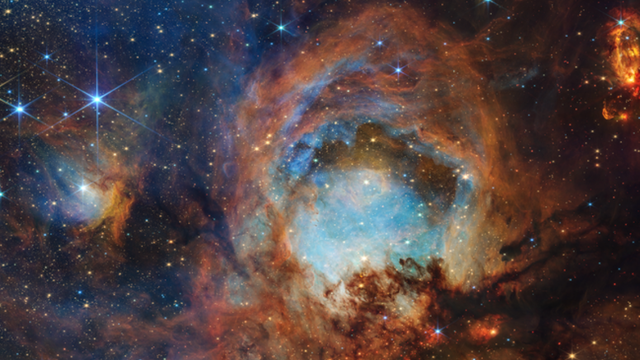
The Cat's Paw Nebula is about 4,000 light-years from Earth, near the constellation Scorpius.
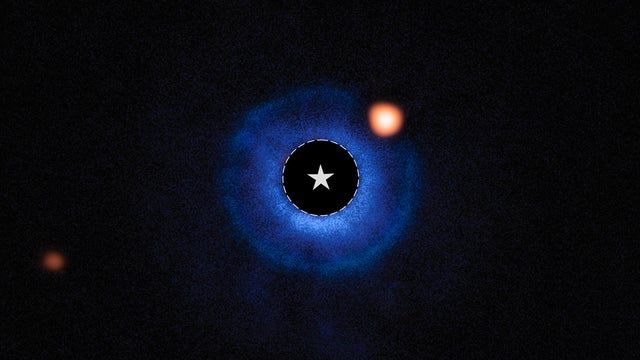
The exoplanet, a planet beyond our solar system, has been dubbed TWA 7b after NASA's James Webb Space Telescope captured evidence of it.
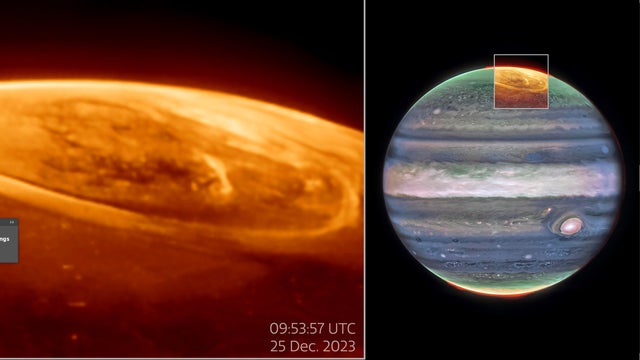
Jupiter's stunning auroras are hundreds of times brighter than those seen on Earth, as pictured in new images taken by the James Webb Space Telescope.

A British-U.S. team of researchers detected signs of two chemicals in the planet's atmosphere long considered to be "biosignatures" indicating extraterrestrial life.
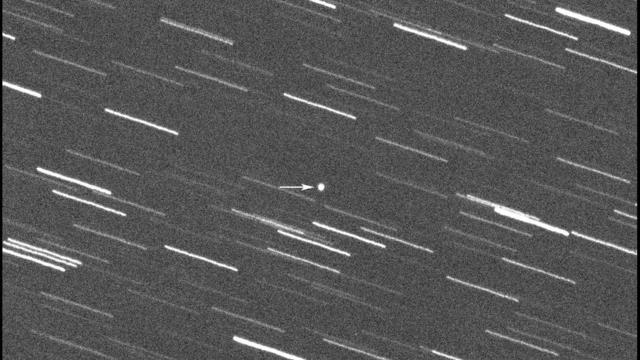
The 2024 YR4 asteroid has a near-zero chance of striking Earth, but a slim chance of hitting the moon, new research says.
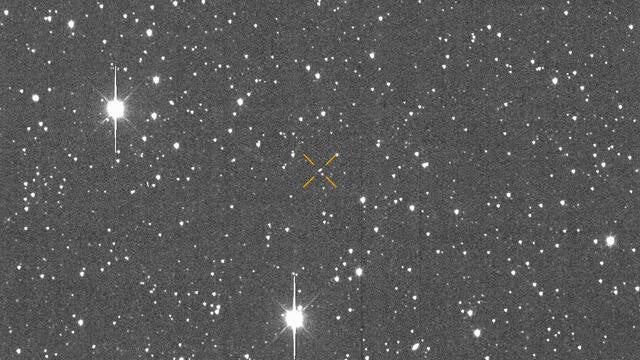
The asteroid 2024 YR4 has a very small chance of striking Earth when its orbit briefly intersects our planet's in December 2032.
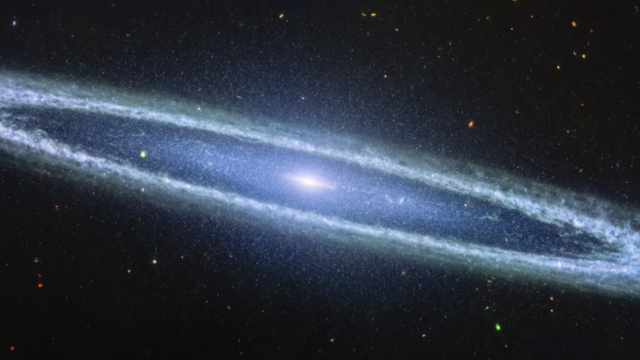
The Sombrero galaxy, named for its resemblance to the Mexican hat, is about 30 million light-years from Earth.
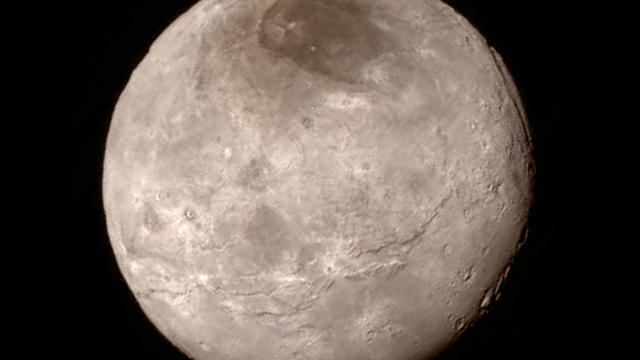
Researchers used observations from the Webb Telescope to identify carbon dioxide and hydrogen peroxide on the surface of Charon, Pluto's largest moon.
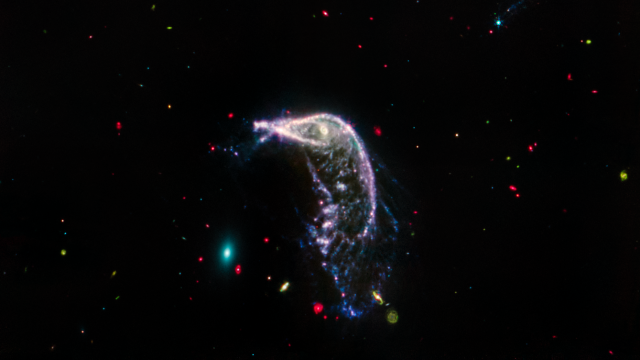
The image released Friday depicts two merging galaxies, nicknamed "the Penguin and the Egg," that are about 100,000 light years apart, a surprisingly close distance in astronomical terms.
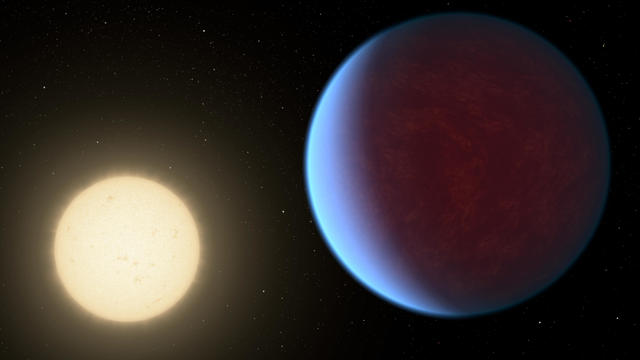
The so-called super Earth — known as 55 Cancri e — is among the few rocky planets outside our solar system with a significant atmosphere.
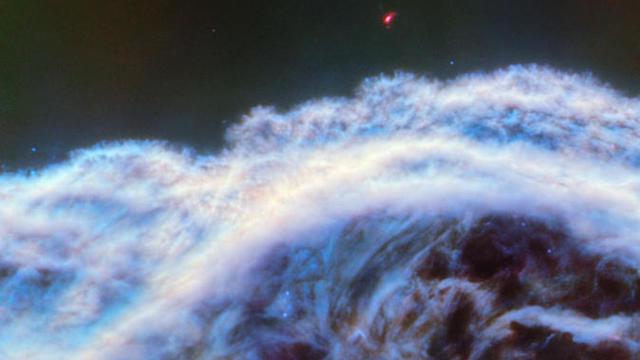
The Horsehead Nebula, which NASA has called "one of the most distinctive objects in our skies," is located in the constellation Orion.
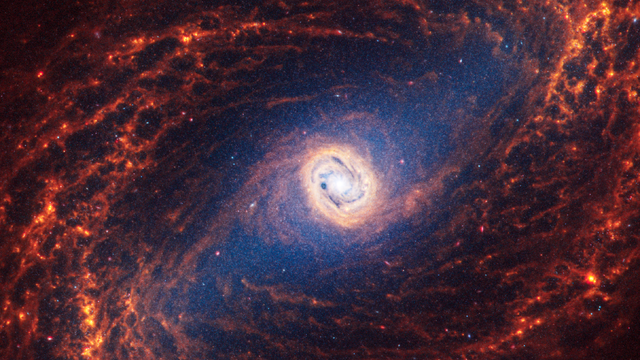
The new images captured by the James Webb Space Telescope are "mind-blowing even for researchers who have studied these same galaxies for decades," one scientist said.
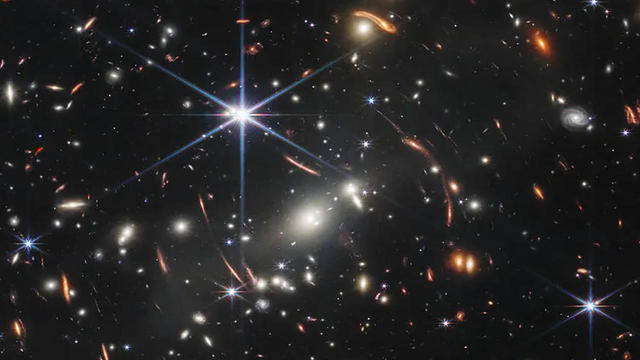
In the two years since the telescope was blasted into orbit, it has performed like a champ, capturing phenomenal images of the heavens and collecting data about distant planets – and scientists say it will continue for decades.
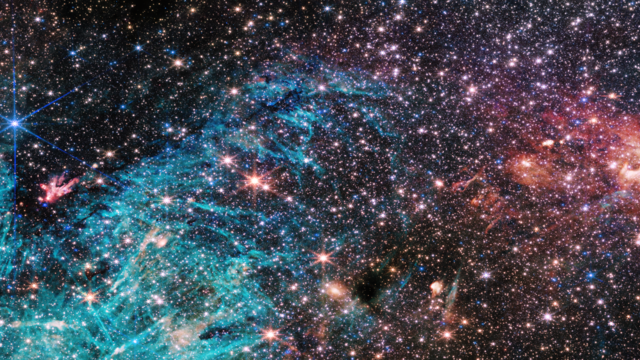
A stunning image from NASA's James Webb Space Telescope shows a cluster of protostars at the dense center of the Milky Way.
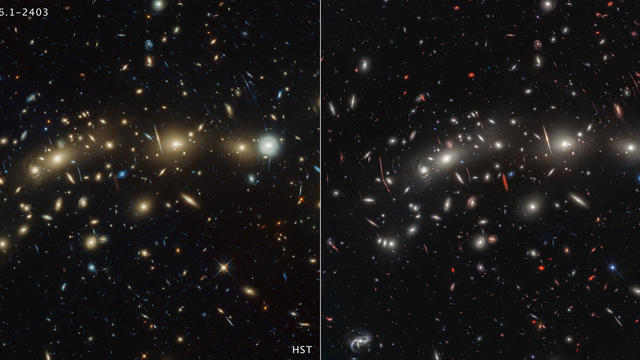
Sparkling and colorful images of faraway galaxy clusters recently released by NASA show one of the most detailed views of the universe ever taken.
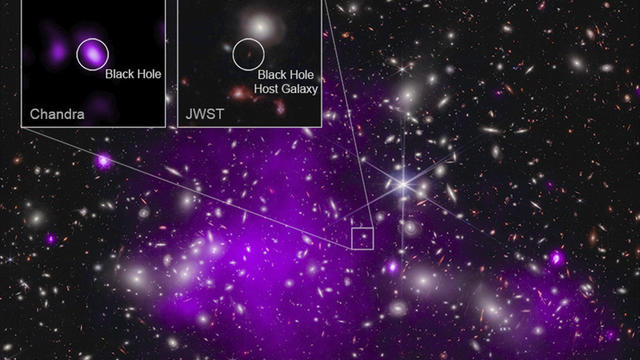
"It's astounding how this thing actually is sitting in place already with its galaxy so early on in the universe," said one of the study's authors.
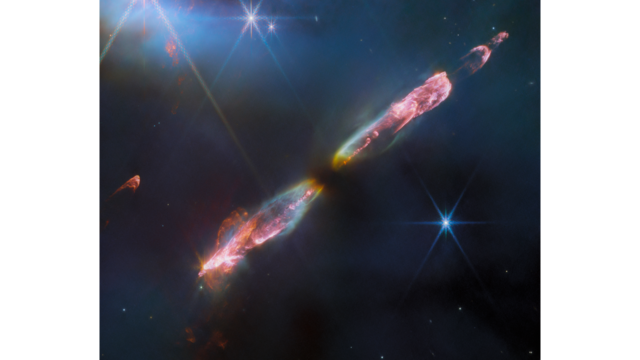
The image shows "luminous regions" around a newborn star in a strikingly high resolution.
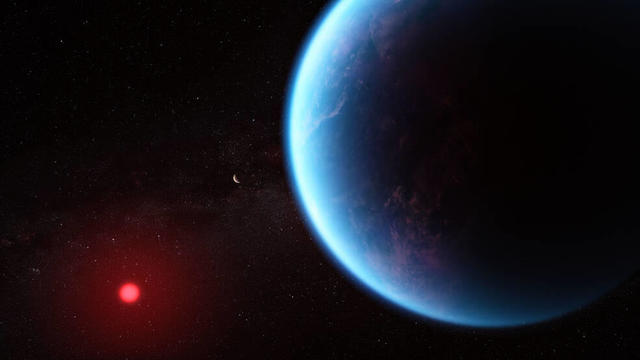
The exoplanet, called K2-18 b, could be a Hycean planet – meaning it has a hydrogen-rich atmosphere and an ocean.
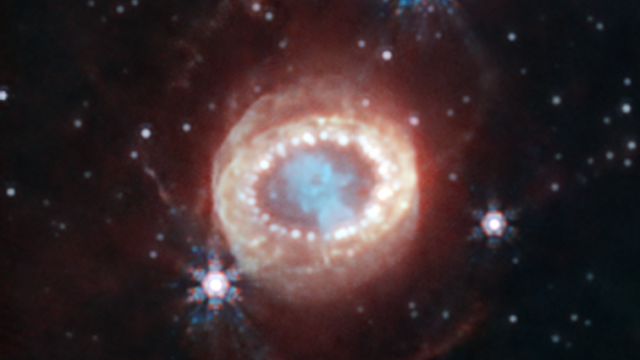
The powerful James Webb Space Telescope revealed "crescent-like structures" within the SN 1987A supernova.
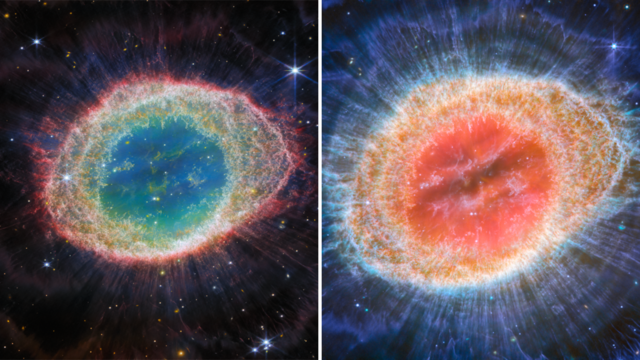
New images from the James Webb Space Telescope have revealed intricate details of a dying star's final stages, NASA said.
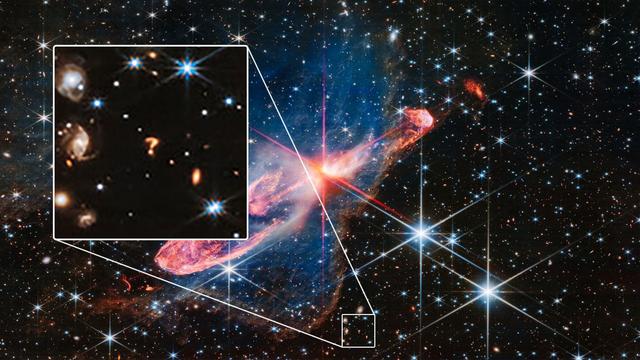
A cosmic object in the shape of a glowing question mark has photobombed one of the latest images captured by NASA's James Webb Space Telescope — and scientists think they know what it might be.
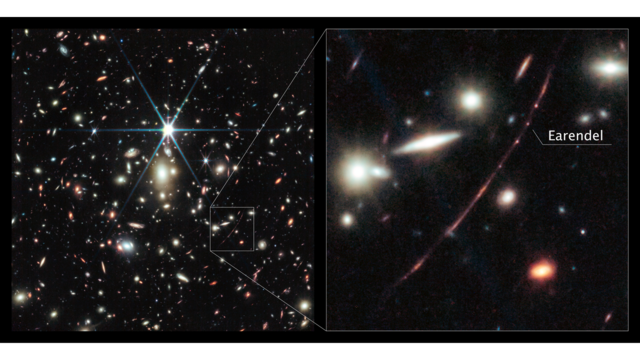
NASA has revealed new information about the star Earendel, which scientists say is now 28 billion lightyears away.
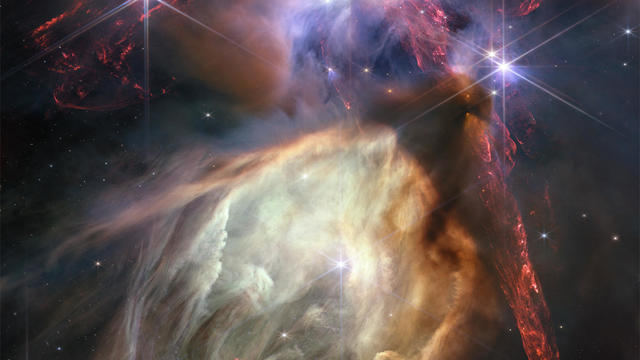
The stellar nursery in the Rho Ophiuchi cloud complex features about 50 young stars, all similar to Earth's sun or smaller.
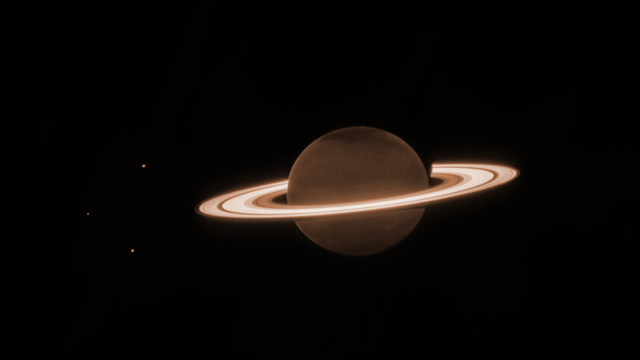
NASA unveiled a stunning image of the ringed planet and several of its moons.