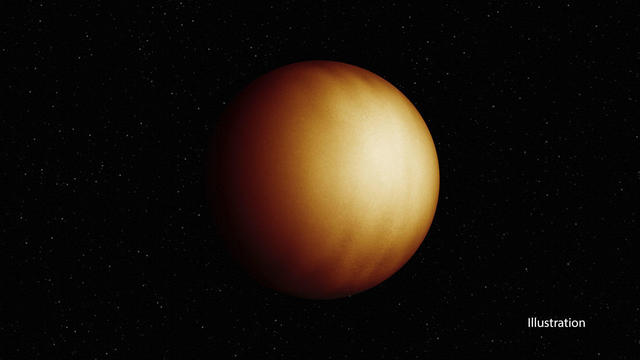
Webb telescope discovers traces of water in atmosphere of exoplanet
Scientists first made a brightness map of the exoplanet, then a temperature map of the atmosphere.
Watch CBS News
Scientists first made a brightness map of the exoplanet, then a temperature map of the atmosphere.
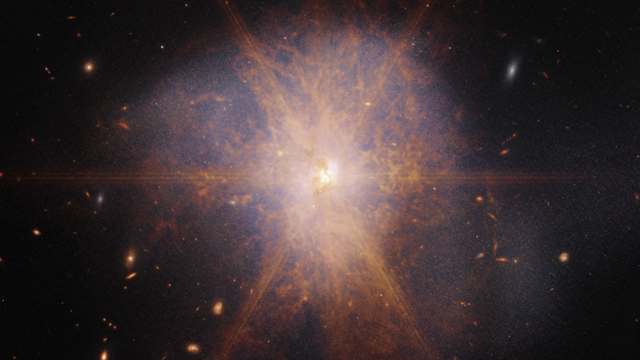
NASA said the collision of the two spiral galaxies began about 700 million years ago.
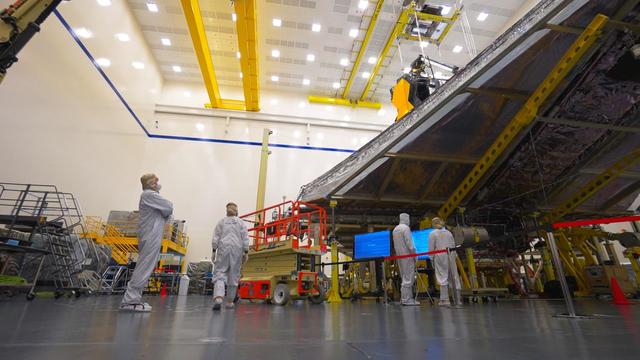
As NASA's Webb telescope scours the universe to find light from the first stars and galaxies, it is also capturing the universe like never before. Scott Pelley got an inside look at Webb's new discoveries.
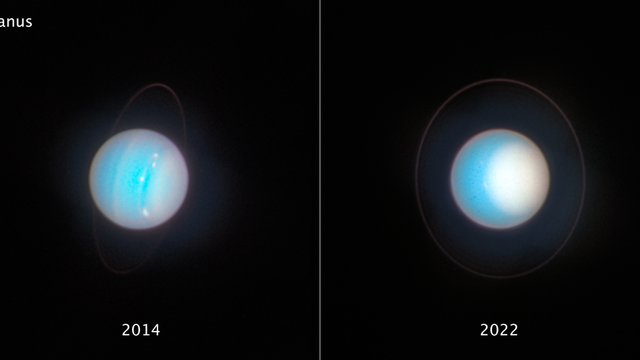
The James Webb Space Telescope has captured a new stunning image of ice giant Uranus, with almost all its faint dusty rings on display.
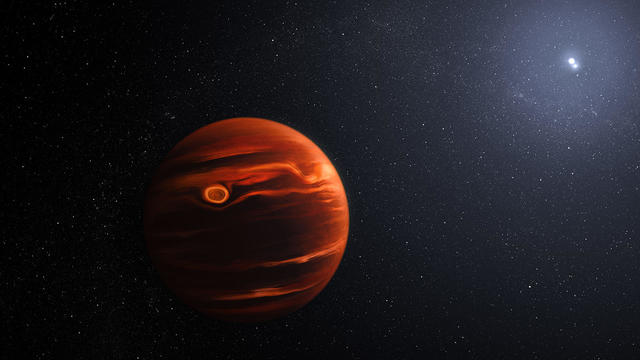
NASA's James Webb Space Telescope has detected churning clouds of dust on a distant planet that orbits two stars.
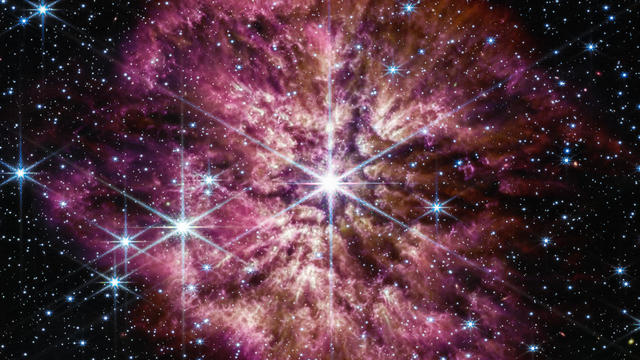
The James Webb Space Telescope has spotted a rare and tumultuous sight 15,000 light-years away from Earth.

The James Webb Space Telescope revealed galaxies from more than 13 billion years ago that seem to be as mature as the Milky Way is now: "Something so unexpected it actually creates problems for science."
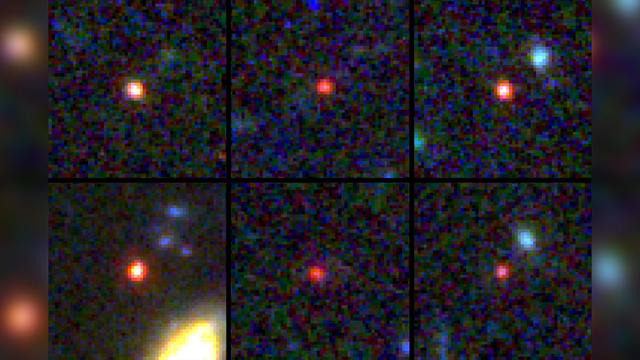
Astronomers have used the James Webb Space Telescope to peer back in time to the early days of the universe — and they spotted something unexpected.
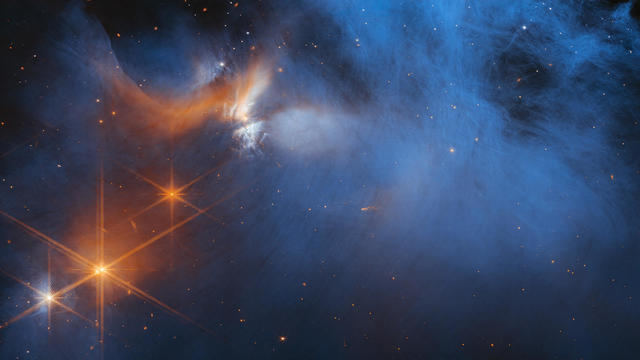
The James Webb Space Telescope peered inside a wispy molecular cloud located 630 light-years away and spied ices made of different elements.
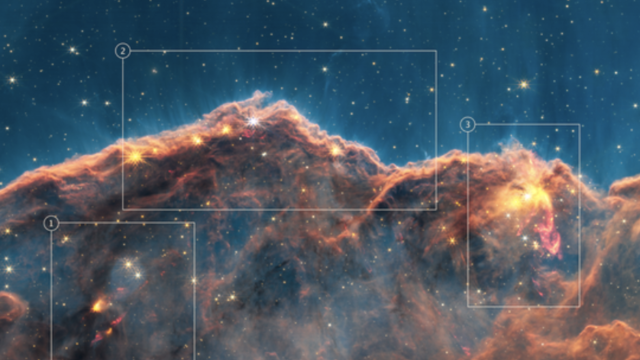
NASA was able to capture a "gallery of objects ranging from small fountains to burbling behemoths" deep in space: "It's like finding buried treasure."
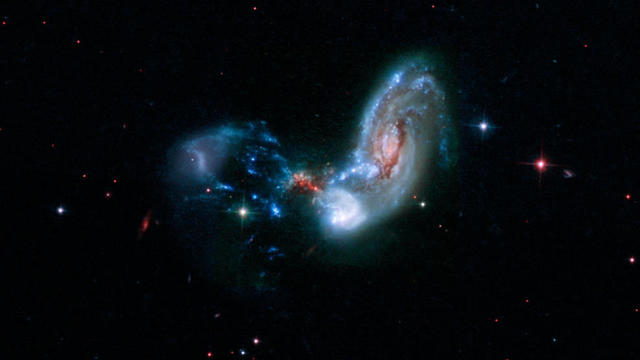
The beautiful chaos of two merging galaxies shines in the latest image captured by the James Webb Space Telescope.
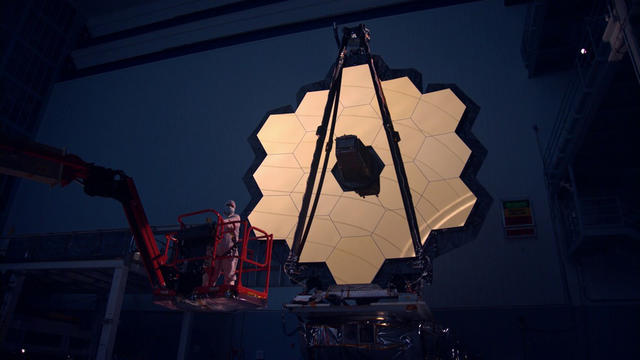
Despite numerous calls from astronomers to rename its powerful new telescope, NASA officials stood by the naming of the James Webb Space Telescope before its launch.
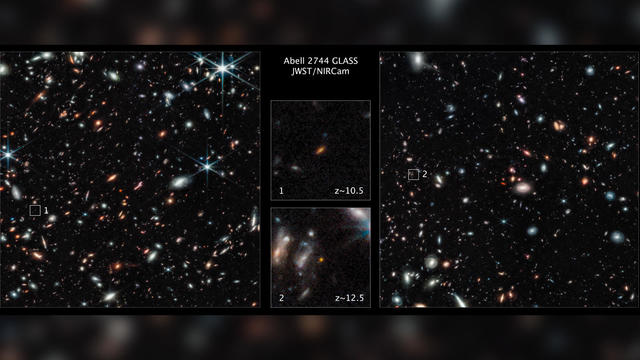
The James Webb Space Telescope has spied one of the earliest galaxies formed after the big bang, about 350 million years after the universe began.
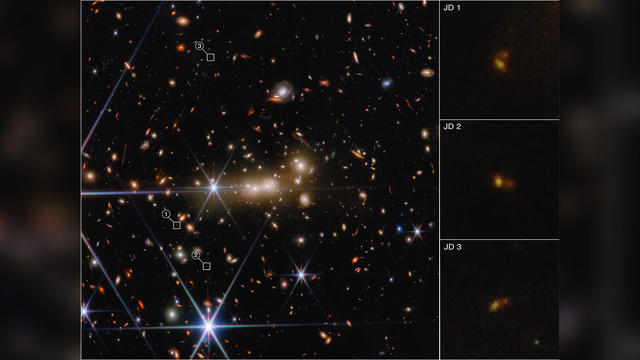
The James Webb Space Telescope has provided astronomers with a glimpse of the early universe in a new image shared on Wednesday.
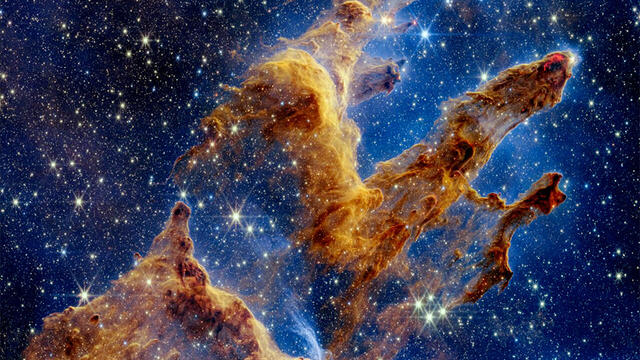
The $10 billion James Webb Space Telescope takes one of Hubble's most famous images to new heights.
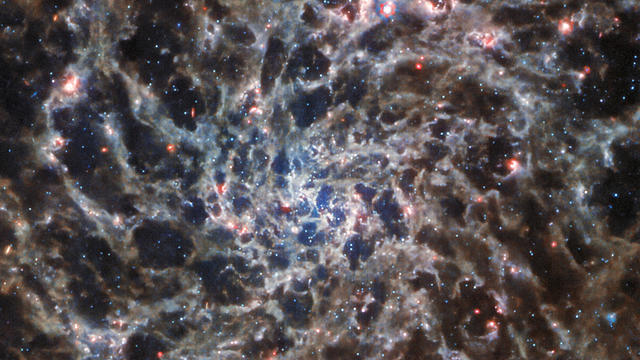
A dazzling spiral galaxy located 29 million light-years from Earth appears in "unprecedented detail" in a new image released by NASA's James Webb Space Telescope.

A giant space tarantula has been caught by a Webb -- NASA's highly sensitive James Webb Space Telescope, that is.
NASA says the exoplanet, located just 100 light years away, could be a "water world."
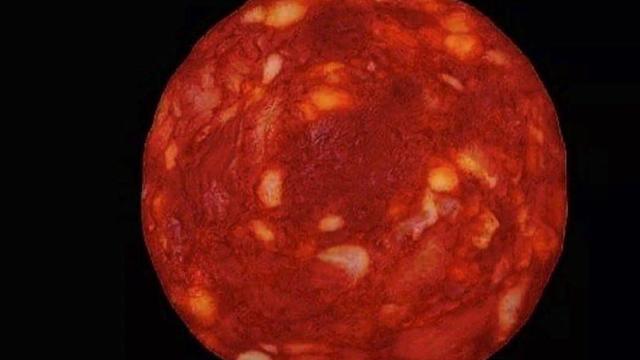
Etienne Klein apologized for misleading some Twitter followers with his "scientist's joke."