West Nile virus detected along San Joaquin County delta

As temperatures rise across California's Central Valley, so does the concern about mosquito-borne illness.
San Joaquin County officials have confirmed the first detection of West Nile virus this season, sparking warnings for residents to protect themselves and prepare their homes.
Residents across San Joaquin County have noticed two shifts over the past month: more heat and more mosquitoes.
"They bug you to death, literally. Oh, it's just awful," Stockton resident Gary Clark said. "You can't sleep at night because you can't leave your windows open without them coming in and biting you, and then the next thing you know, they itch like crazy."
Higher temperatures mean more mosquitoes. This also means a higher chance that experts will detect West Nile virus.
"This is the western encephalitis mosquito. It's one of the species that can transmit West Nile virus here in our county," San Joaquin County Mosquito & Vector Control District spokesperson Sumiko De La Vega explained.
Of the 80 traps set by the district, one came up positive for West Nile virus last week. It's now prompted a message to the community -- get rid of any stagnant water.
"In a residential area, they'll be in plant pot saucers underneath a potted plant, kids' toys that are collecting sprinkler water, even some trash or debris that blows into the yard and collects sprinkler water," De La Vega shared. "Anything that can hold even a tablespoon of water could potentially grow mosquitoes."
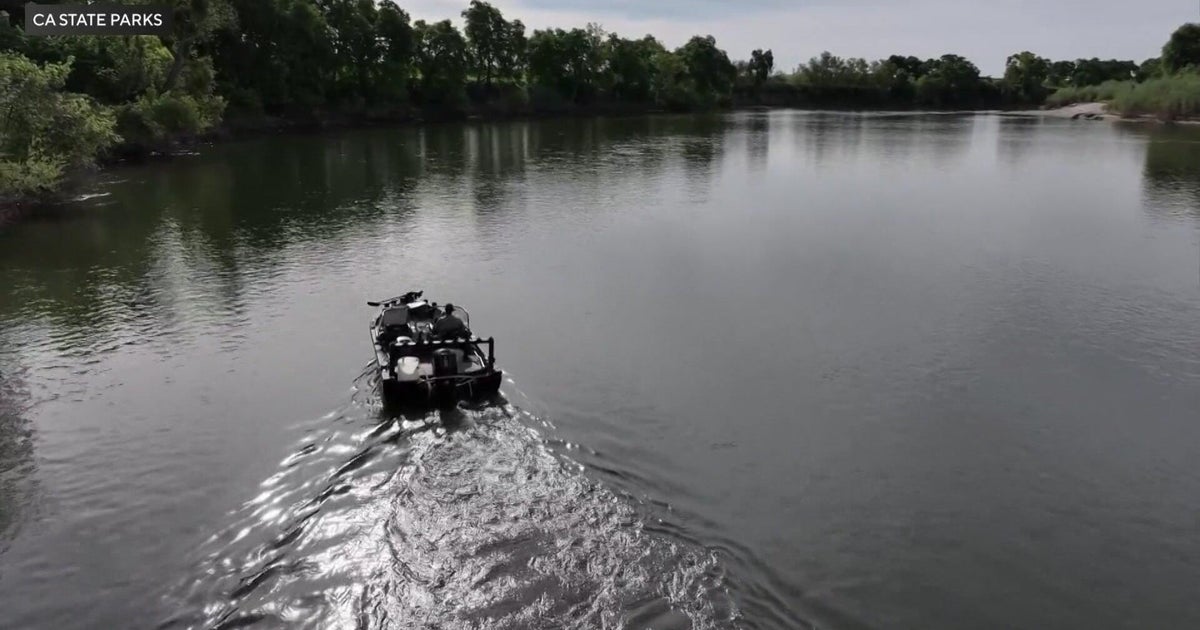
The positive sample came from a trap about 10 miles west of Stockton along the delta in an area called the Upper Jones Tract.
Vector control says they did notice earlier mosquito activity due to early warm temperatures and heavy rain. They say this virus detection is seasonally normal.
"This is on par with what we would expect for most seasons," De La Vega explained. "As the temperatures increase, West Nile virus activity also increases because mosquito activity also increases."
Vector control says they have resources available to the community, from traps to mosquito fish.
"These are free of charge for San Joaquin County residents," she said. "We can place those in water sources and the mosquito fish will eat the mosquito larvae. This is a natural mosquito control method."
The best advice is to wear repellent, empty stagnant water and be aware when the sun goes down.
"They're so small, but you know about it in the morning," Clark said. "When you wake up, it's like great, 'Where'd that lump come from?'"