California is seeing spike in tick-borne illness anaplasmosis, experts warn

Ticks carrying a disease called anaplasmosis are spreading quickly throughout California, experts say.
The disease is mainly showing up in dogs. Since dogs spend more time outdoors, experts say rising cases in pets could signal that humans may soon be at greater risk.
More than half of the state's counties are now considered "high risk," according to the nonprofit group Companion Animal Parasite Council's data.
"There's not a lot of awareness in California because most people think it's primarily a disease of the Upper Midwest and Northeast," said Dr. Jane Sykes, a professor of veterinary medicine at UC Davis.
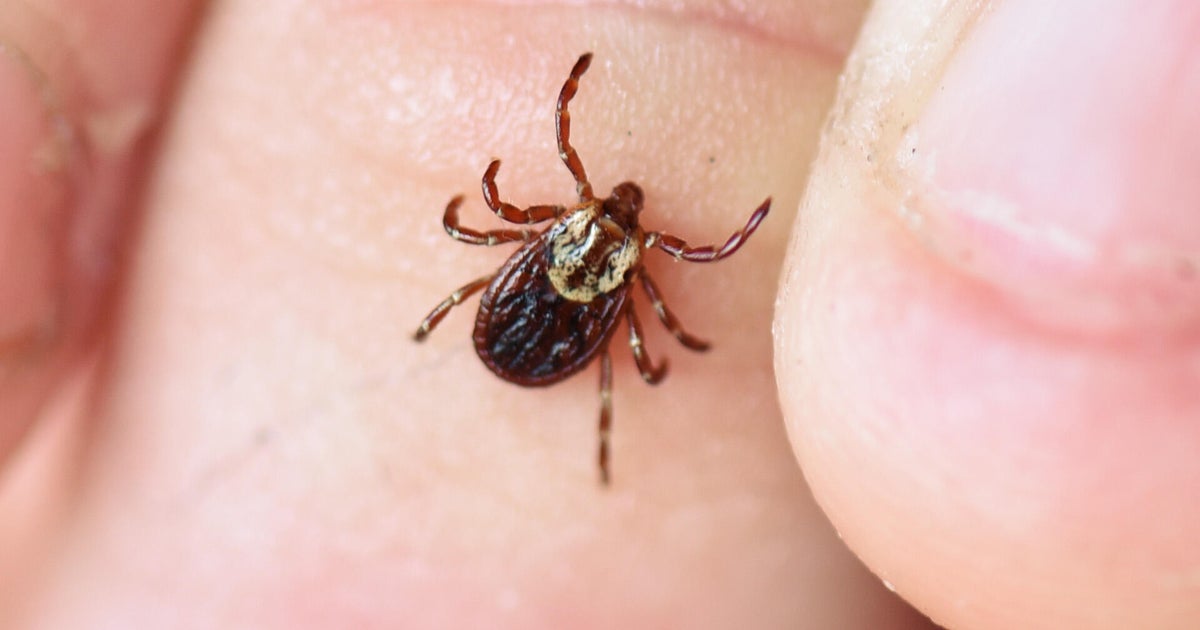
The culprit is the same western black-legged tick that spreads Lyme disease.
In dogs, anaplasmosis can cause fever, fatigue, loss of appetite, and weight loss. In some cases, dogs may also experience nosebleeds, neck pain, or even seizures.
"They kind of look depressed, dull, they don't want to move," Sykes said. "They have a fever, and sometimes they can develop vomiting."
Veterinarians say diagnosis can be difficult, especially if owners don't mention that their dogs are often in tick-prone areas, making awareness critical.
The good news: the illness can be treated quickly with antibiotics.
"It doesn't matter when you give the antibiotics, it just costs more to have your dog in the hospital, not feeling well, going back in and out of veterinary clinics before the right diagnosis is made," Sykes explained.
According to the Companion Animal Parasite Council, between 2021 and 2024 the number of dogs testing positive for the illness nearly tripled. More than half of California's counties are now at "high risk," including Yolo, Placer, and El Dorado counties.
Veterinarians say the best way to keep dogs safe is year-round tick and flea prevention, as well as examining pets after walks in grassy or wooded areas.