Rescue mission to save injured bald eagle in Plumas National Forest ends in heartbreak

A daring attempt to save a young bald eagle trapped for weeks in the rugged Plumas National Forest ended sadly, despite the determined efforts of local wildlife rescuers.
The eagle, believed to be left behind after its sibling had already taken flight, was discovered grounded at a remote campground in the Plumas National Forest. After being alerted by the U.S. Forest Service, a local veterinarian called in Sacramento-based California Wildlife Encounters for help.
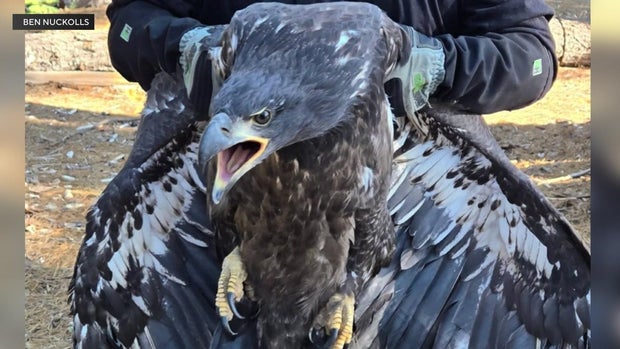
Early Tuesday morning, rescuers Ben Knuckolls and Karl Bly made the long trip deep into the Sierra with hopes of giving the eagle another chance at life.
"Time was moving on. This eagle's sibling had flown away, so they realized something had to be done for this bird," Karl Bly said.
Armed with nets and determination, the rescuers worked quickly to corner the frightened bird. The young eagle tried to escape, skipping down a hill and evading them for a few tense moments.
"We were able to corral it again, and that's when Ben was able to get his net and sneak behind a tree and drop the net on it," Bly recalled.
Once caught, the rescuers were struck by the bird's impressive size and presence, even at such a young age.
"It's huge and magnificent. To be right next to 'em is really incredible," Bly said.
But after the bird was transported to the Bird of Prey Health Group, veterinarians discovered devastating injuries: severe damage to the eagle's right wing, making it impossible for the bird to ever fly.
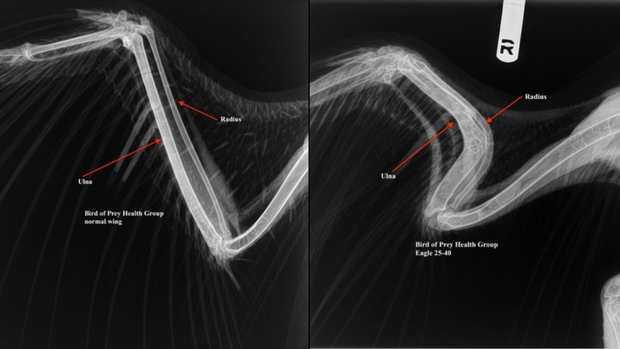
"This bird could not flap the wings with the strength to get up off the ground," explained Vickie Joseph of Bird of Prey Health Group. "It was not going to be able to go up from the ground, probably four feet on its own."
Given the extent of the injuries, experts made the painful decision to humanely put the bird down, knowing it could never survive in the wild.
Though the rescue didn't have the happy ending they'd hoped for, Bly said trying was the only option.
"It's kind of human nature. If you see a hurt animal, you try to help it," he said.
The team hopes the story raises awareness about wildlife rescue and the fragile lives of these iconic birds.