California High-Speed Rail Authority CEO Ian Choudri resigns amid scrutiny over travel spending, rising costs
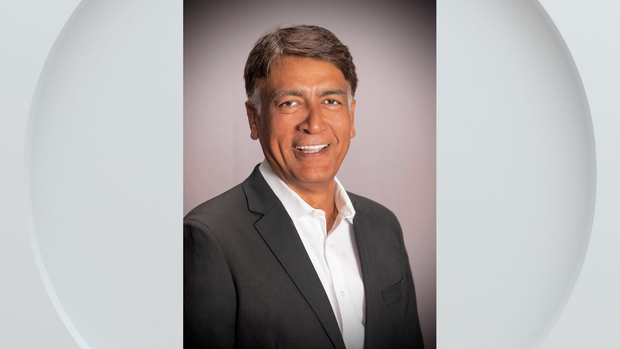
California High-Speed Rail Authority CEO Ian Choudri has resigned amid ongoing scrutiny over travel spending and the project's rising costs.
The authority's Board of Directors confirmed Choudri's resignation at its meeting on Thursday. In closed session, the board appointed Joe Stephenshaw, the Director of the California Department of Finance, as the authority's interim president.
In a letter to employees obtained by CBS News Sacramento, Choudri said, "This was not an easy decision. Leading the Authority has been one of the most meaningful and rewarding chapters of my professional life. Over the past two years, this project has evolved from one facing significant challenges to one that is now irreversible and on track to deliver the first true high-speed rail system in North America."
A spokesperson for Gov. Gavin Newsom's office said "The Governor is committed to delivering the nation's first high-speed rail system and to protecting California taxpayers every single step of the way. That's why he brought fresh leadership onto the High-Speed Rail Authority Board this year, with a clear charge to demand accountability for every dollar and transparency the public can count on. The Governor welcomes today's announcements as an important step in that direction."
Choudri's resignation follows a report from the authority's Office of Inspector General (OIG) which said allegations that the CHSRA failed to comply with state regulations and contract requirements when reimbursing consultants' travel expenses were substantiated.
Between 2024 and 2026, the report stated that 60%, or $680,500, did not comply with state regulations requiring advance approval. The report also found $592,000 of the unapproved expenses were determined to be "unallowable."
Reimbursements included expenses for premium airfares, Uber and Lyft upgrades, trips to gyms, escape rooms, cigar lounges, tiki bars and private residences with no documentation of a state business purpose, the report found. Other questionable practices included reimbursement for rideshare cancellation fees, same-day flight booking, which typically means higher costs, and travel claims lacking receipts or supporting documents.
In addition, whistleblowers provided CBS California Investigates expense records that found consultants billed taxpayers' late night rides from a street in Folsom where Choudri owns a home, along with rides to or from nearby restaurants and bars.
Initially approved by voters in 2008, California's high-speed rail project has been beset by years-long delays and cost overruns since construction began in 2015.
When voters approved the initial bond funding for the project, the entire system was expected to cost between $33 billion and $45 billion. The CHSRA's 2026 Business Plan showed it would take $126 billion to complete Phase 1 of the project.
In July, the OIG warned that the state's high-speed rail project could run out of money as soon as December 2027 unless the state borrows billions to keep construction on schedule.


