Romano Corradi (IAC), et al., IPHAS /NASA
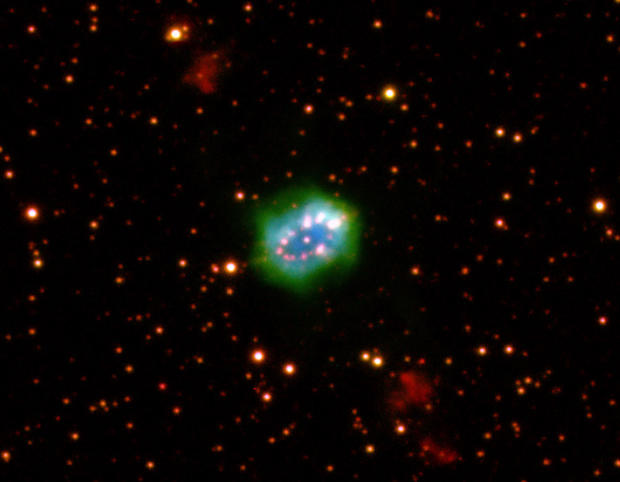
The small constellation Sagitta sports this large piece of cosmic jewelry, dubbed the Necklace Nebula. The newly discovered example of a ring-shaped planetary nebula is about 15,000 light-years away.
NASA/Rolf Geissinger
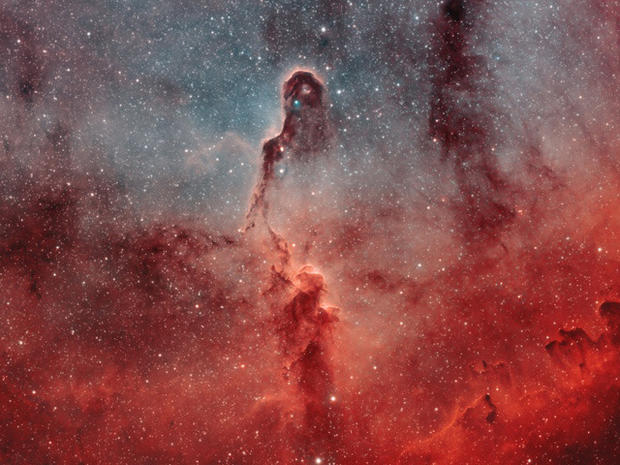
The so-called Elephant's Trunk Nebula winds through the emission nebula and young star cluster complex IC 1396, in the high and far off constellation of Cepheus.
K. Reardon (Osservatorio Astrofisico di Arcetri, INAF) IBIS, DST, NSO/NASA
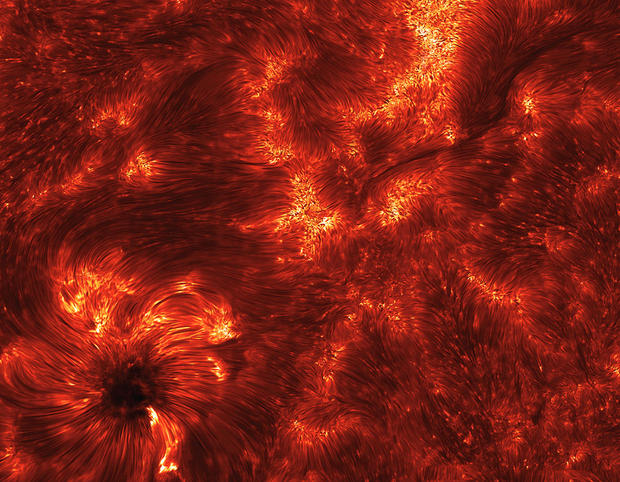
Pictured here is a high-resolution image of a solar active region that crossed the Sun last month.
NASA
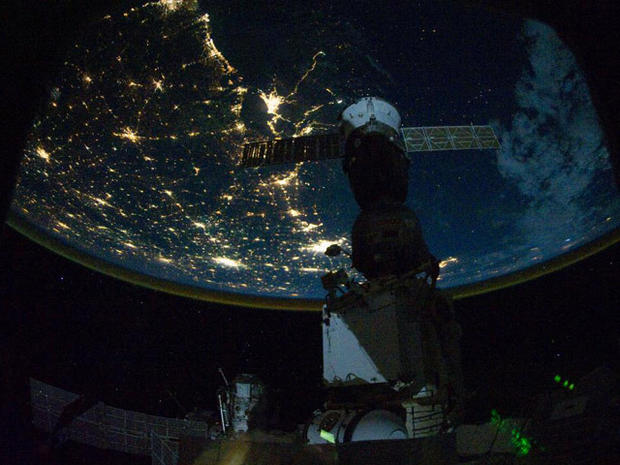
From 220 miles above Earth, the Expedition 25 crew aboard the International Space Station shot this night time image of the northern Gulf coast
NASA/Luc Perrot
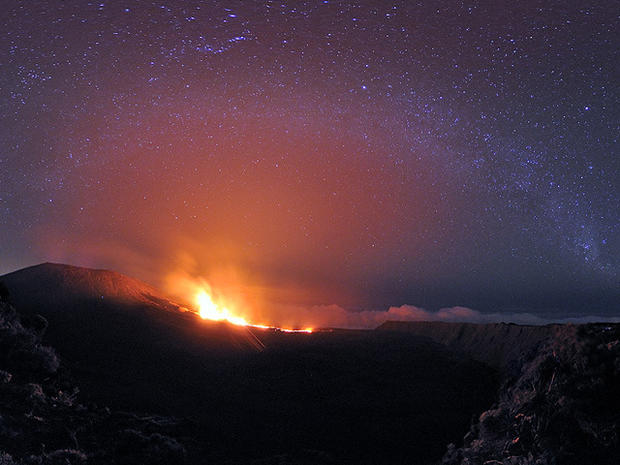
Pictured above, our Milky Way Galaxy. Also visible in the background sky is the Pleiades open star cluster, the constellation of Orion. The picture was shot from Reunion Island, one of the Earth's most active volcanoes.
NASA
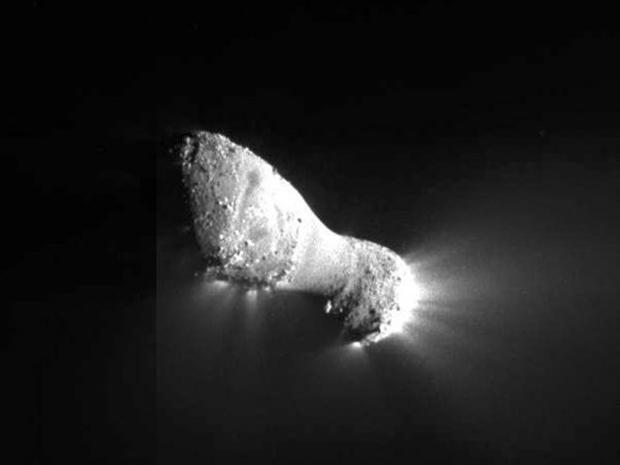
Comet Hartley 2 can be seen from NASA's EPOXI mission November 4, 2010 in space. The image was taken from a distance of about 435 miles.
ESA
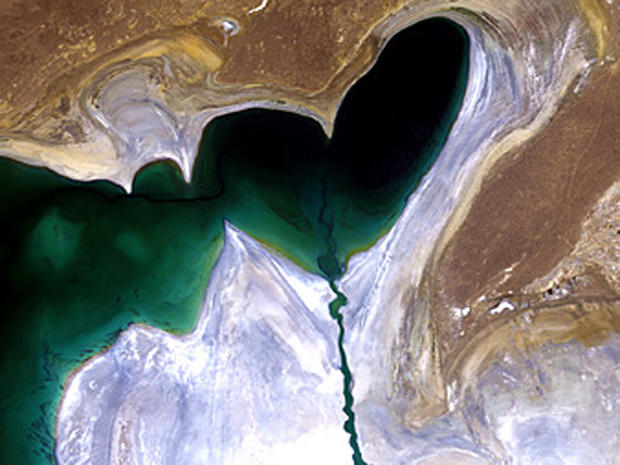
This Landsat image features the heart-shaped Small Aral Sea (or North Aral Sea), the former northern basin of the Aral Sea that once supported a vibrant economy in Central Asia.
NASA
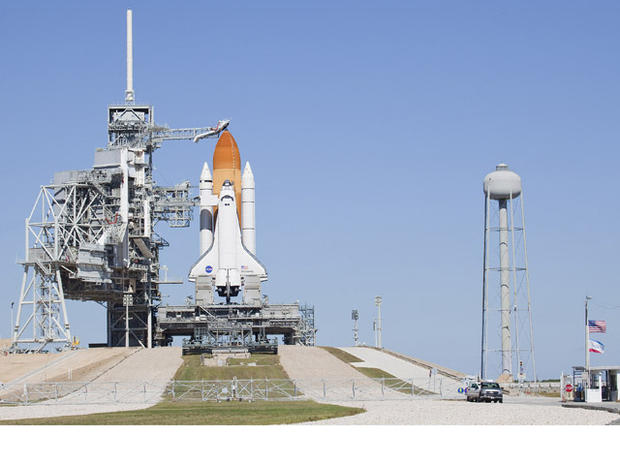
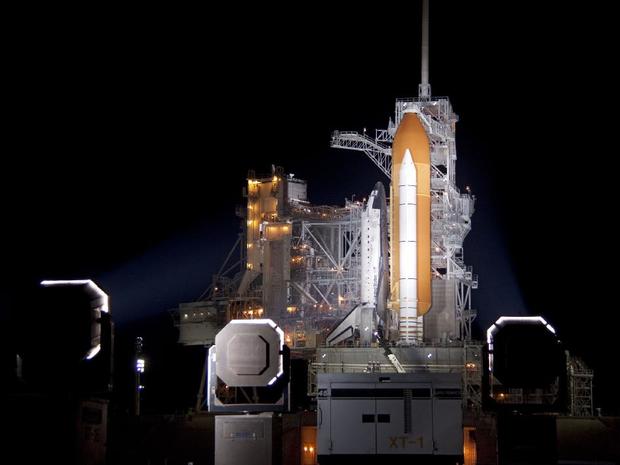
Still waiting for the green light, the Space Shuttle Discovery sits on launch pad 39-a in Cape Canaveral, Florida, where it's waiting to set off on its final scheduled mission.
NASA
The shuttle photographed at night.
ESA
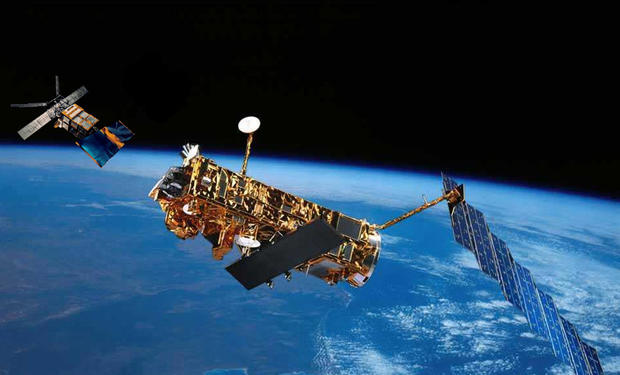
ESA's ERS-2 and Envisat satellites were paired up for a final tandem campaign in 2010. Data from this final duet are being used to generate 3D models of glaciers and low-lying coastal areas.
NASA
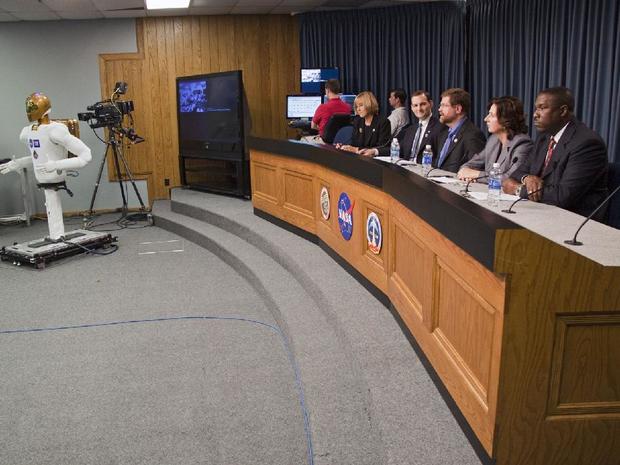
The Robonaut 2 meets the press. The first humanoid robot ever bound for space, this $2.5 million mechanical and electrical marvel will accompany Discovery on a one-way ride to the International Space Station. The hope is that the Robonaut eventually will assume a myriad of space station cleaning duties - and perhaps even work outside the ISS, holding tools for spacewalking astronauts.
NASA
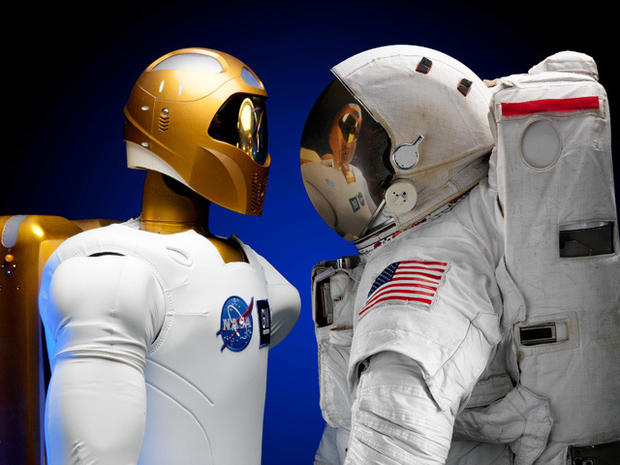
"Great Taste! Less filling!"
NASA
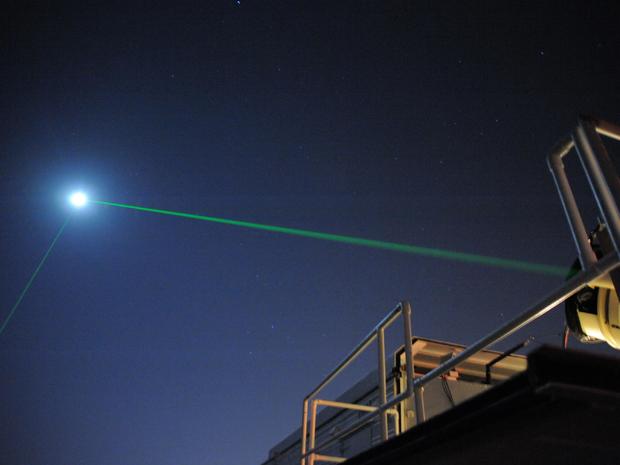
The Laser Ranging Facility at the Geophysical and Astronomical Observatory at NASA's Goddard Space Flight Center in Greenbelt, Md. The observatory helps NASA keep track of orbiting satellites.