AP / Getty Images
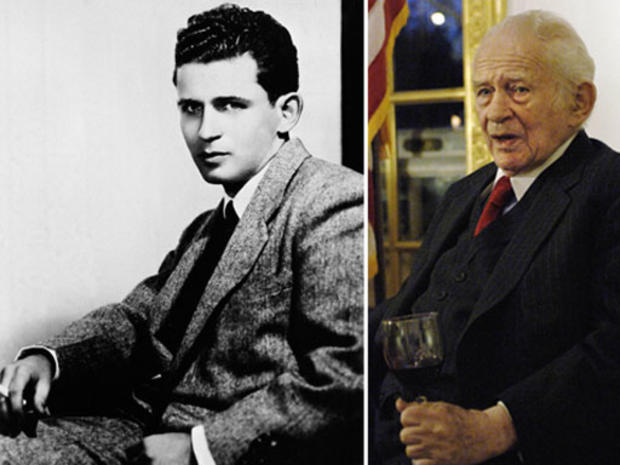
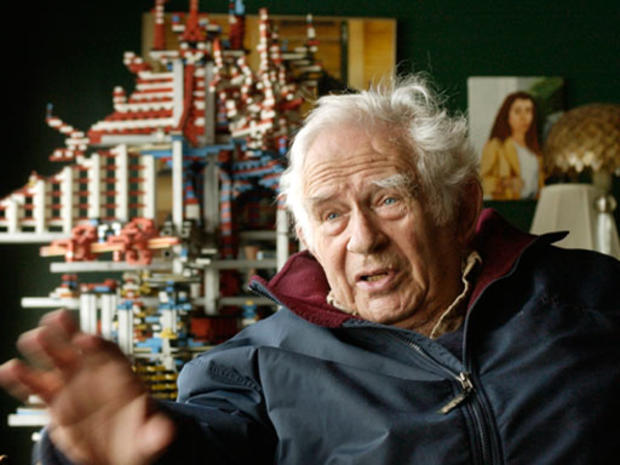
Norman Mailer, who died at the age of 84 on Saturday, November 10, 2007, was the enfant terrible of American letters when he wrote "The Naked and The Dead" in 1948, based on his experiences as an infantryman during World War II. At age 25, it made him famous. By 2006, when picture at right was taken, he had reigned as the country's literary conscience and provocateur for almost six decades.
From Brooklyn To Harvard Engineer To The Army
AP Photo/Bebeto Matthews
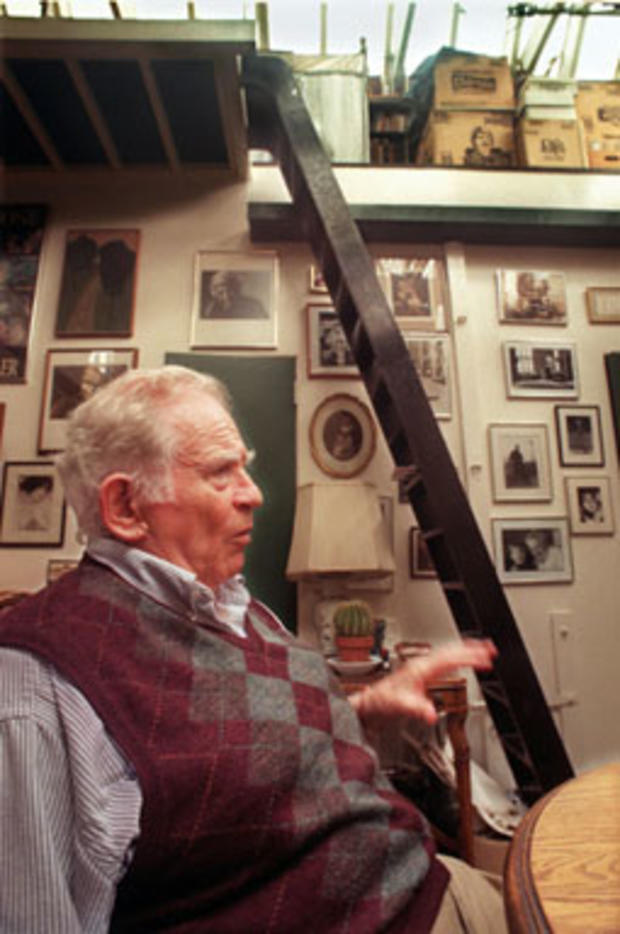
Norman Mailer grew up in Brooklyn, which he called "the most secure Jewish environment in America," and lived there all his life (pictured at home in 1998). He was born on January 31, 1923 in Long Branch, New Jersey, the son of a South African-born accountant and the head of a nursing agency. After attending public schools, he got a degree in engineering in 1943 from Harvard, and was then drafted into the Army.
Writer
AP Photo
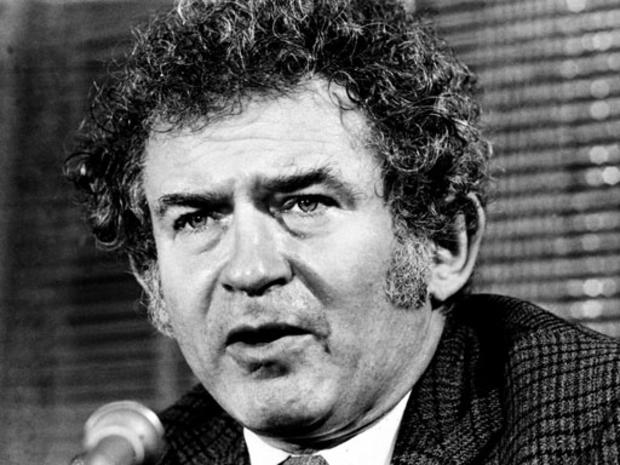
By the time he had graduated Harvard, he already knew he wanted to be a writer. He already had the title, "The Naked and the Dead," for his first novel before being drafted into World War II, where he gathered the material he needed. He wrote several other novels but by 1971 (when this picture was taken), had started focusing on non-fiction.
Stabbed His Wife
AP Photo/Anthony Camerano
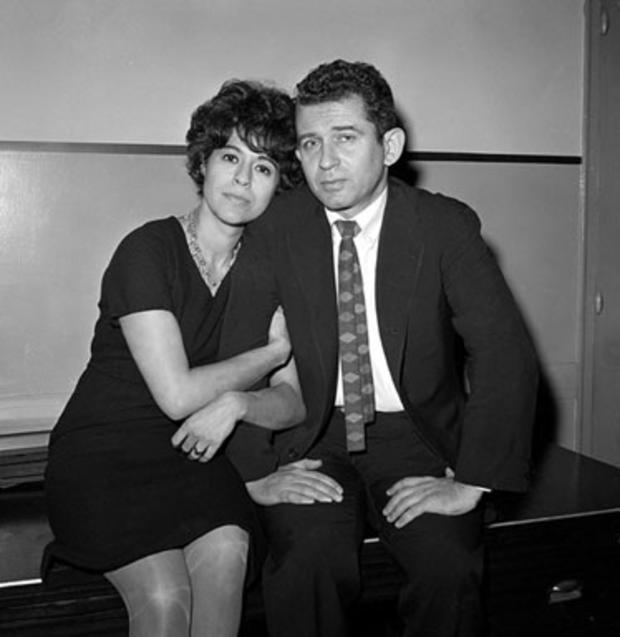
Mailer became famous for his life outside his work. Here, he and his wife, Adele, sat together in New York City felony court on Dec. 29, 1960. Mailer was appearing to answer an assault charge that he stabbed his wife after a party at their apartment. Adele Mailer declined to press charges, but the incident became a part of Mailer lore.
Wives And Children
AP PHOTO
Mailer married six times, and had five daughters, three sons and a stepson. Here he was in 1969 with his fourth wife, Beverly, and daughter Susie. Mailer's work often angered feminists.
AP PHOTO
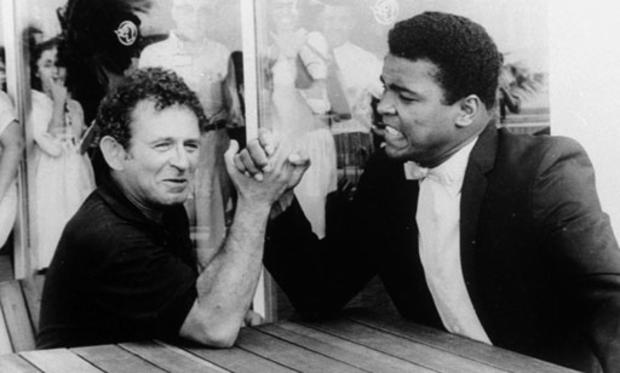
Mailer arm-wrestled with heavyweight champion Muhammad Ali on the terrace of their San Juan hotel, on Aug. 1, 1965.
"Armies of The Night"
AP Photo/David Pickoff, file
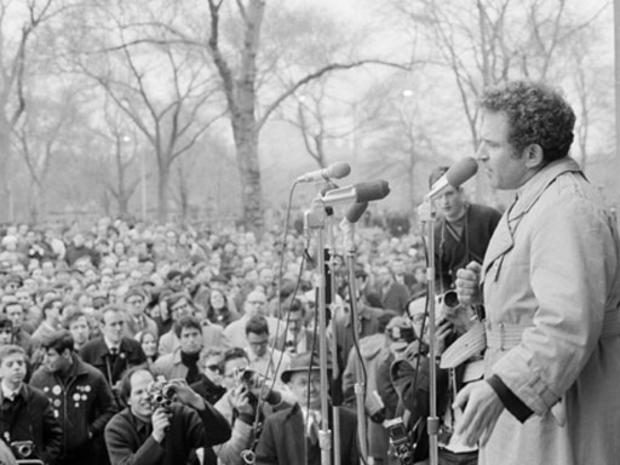
Mailer became known for his early opposition to the Vietnam War. Here on March 26, 1966, he spoke at an anti-war rally at the bandshell in New York's Central Park. He wrote "Why Are We In Vietnam?" in 1967. His 1968 account of the peace march on the Pentagon, "The Armies of the Night," won the Pulitzer Prize and was one of his most celebrated books.
NYC Mayoral Candidate
AP Photo/Jack Harris
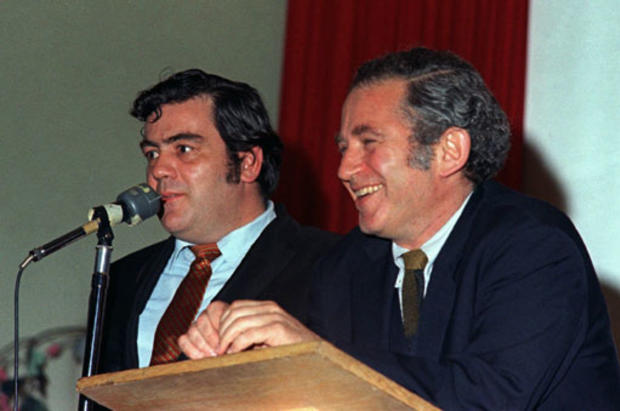
In 1969, Mailer ran for mayor of New York City, with fellow writer Jimmy Breslin, left, his candidate for New York City Council President. Their platform included a push to make the city the 51st state of the union, and a referendum among "black ghetto dwellers" on whether they should set up their own government.
"The Executioner's Song"
AP Photo/David Pickoff, file
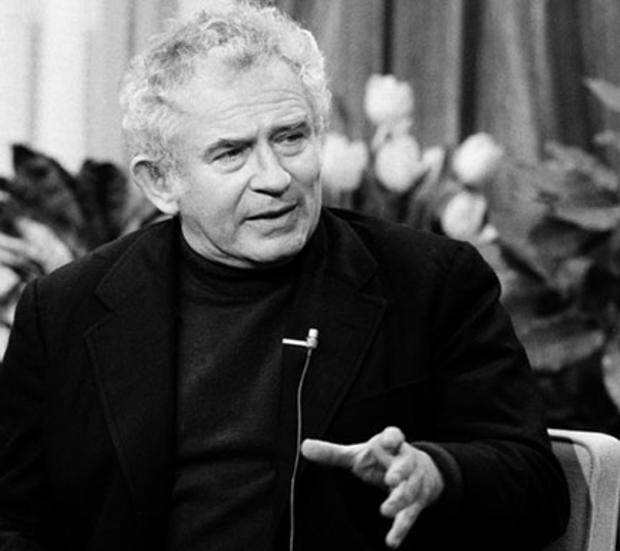
"The Executioner's Song" published in 1979, focused on the life and death of Gary Gilmore. Mailer called it a novel, although it was about a real person. He never met Gilmore, but based the book on facts collected by Lawrence Schiller. It won Mailer his second Pulitzer. Here he discussed it in 1980 on the Today show.
Literary Partier And Pugilist
AP Photo/Ron Frehm
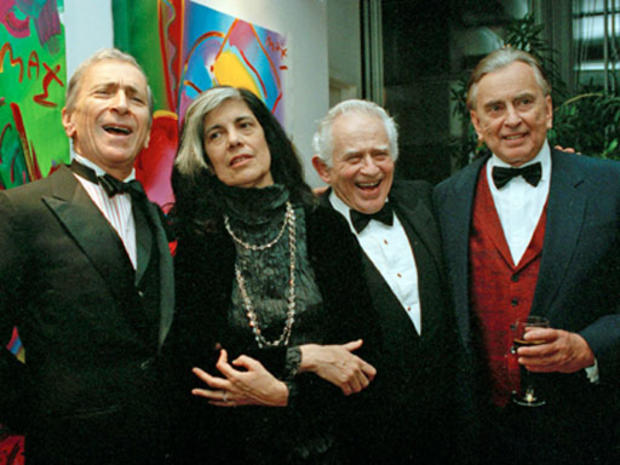
Mailer stood with Gay Talese, Susan Sontag and Gore Vidal at a party following the Actors' Studio benefit production of George Bernard Shaw's "Don Juan In Hell" at Carnegie Hall, on Feb. 15, 1993. He frequently feuded with other authors, including Truman Capote, William Styron and Tom Wolfe, as well as Vidal, whom he head-butted before a TV talk show.
Family Man
GETTY
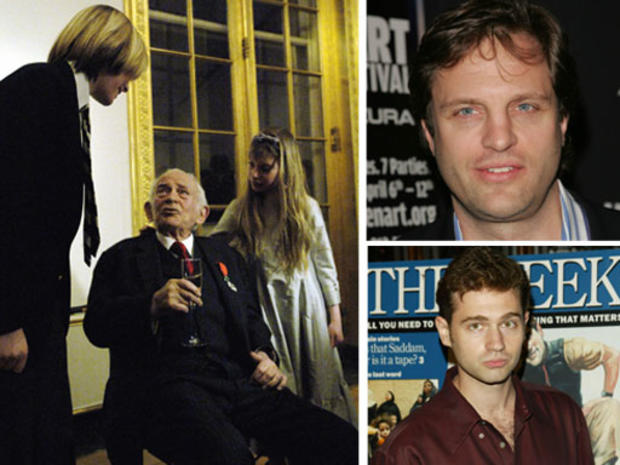
Mailer, with grandchildren Clay Fisher (L) and Kittredge Fisher (R), received the medal of Chevalier of the Legion of Honor at the French Embassy in New York in 2006. His odest son (top), Michael Mailer, 43, is an actor and producer. His youngest son, John Buffalo Mailer, 29, playwright, journalist, and former editor of "High Times" magazine, co-authored a book with his father in 2005 entitled "The Big Empty"
A Lifetime Of Books
AP Photo/Kathy Willens
Mailer was a prolific author, not just of fiction, but of essays, works of journalism, plays,poems and films. His last novel, "The Castle in the Forest," about Hitler's youth, and a book of non-fiction, "On God", were both published the year of his death.
Some Of His Best-Known Books
CBS
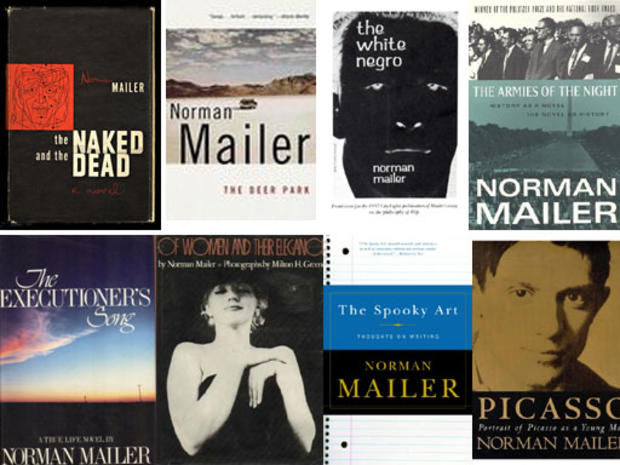
"The Naked and the Dead"(1948) "The Deer Park" (1955) "The White Negro: Superficial Reflections on the Hipster" (1956) "Advertisement for Myself" (1959) "Why Are We in Vietnam?" (1967) "Armies of the Night" (1968) "Of a Fire on the Moon" (1970) "The Prisoner of Sex" (1971) "The Executioner's Song" (1979) "The Spooky Art: Some Thoughts on Writing" (2003)