Herbs, yoga, acupuncture? The most popular complementary treatments where you live

A new report from the U.S. National Department of Health and Human Services looks at the popularity of complementary health approaches throughout the country. The report, based on a 2012 survey of 34,525 adults, identifies regional variations in health care trends. It turns out where you live has a lot to do with whether you take herbal supplements or master downward dog.
Herbal dietary supplements
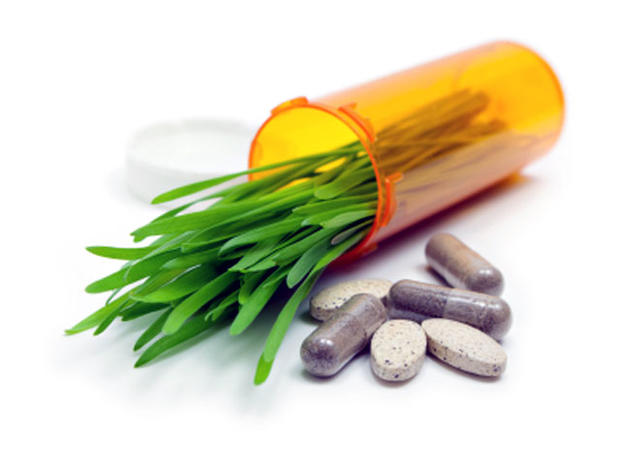
According to the report, the most popular alternative or complementary treatments are non-vitamin and non-mineral supplements -- such Echinacea, fish oil, gingko biloba and pre- or probiotics.
Though herbal supplements are widely used, research on their benefits varies as greatly as the products’ claims. Fish oil, one of the bestselling supplements, has been found to improve brain function but also to increase prostate cancer risk. And some research finds a number of herbal supplements can be downright dangerous, especially in large doses.
Herbal dietary supplements

Chiropractic and osteopathic care
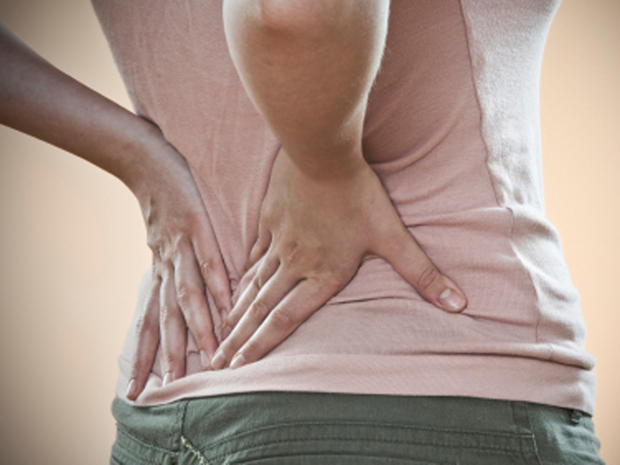
Chiropractic and osteopathic care
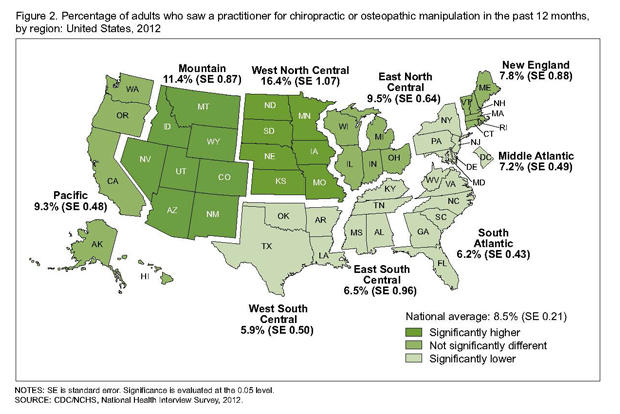
Chiropractic and osteopathic manipulation are especially popular in the West North Central states -- a region ranging from Missouri and Kansas to the Dakotas and Minnesota -- where 16.4 percent have tried it; and in the Mountain region, at 11.4 percent. Texans and their neighbors around the Gulf are the least likely to see a chiropractor.
Yoga

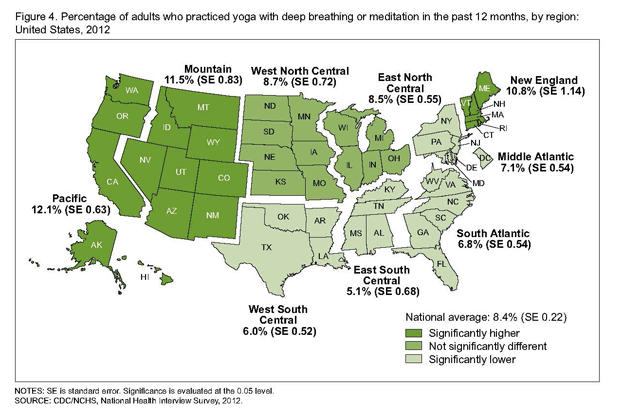
And yoga is big business: The age-old practice, which has its roots in India, is a $27 billion industry in the U.S., according to the Yoga Journal.
Many experts say turning yourself into a pretzel has many health benefits, from aiding digestion to preventing obesity and reducing stress. Yoga has also been found to help people cope with a wide range of chronic health problems, including multiple sclerosis, chronic pain and cancer.
Yoga
Massage therapy
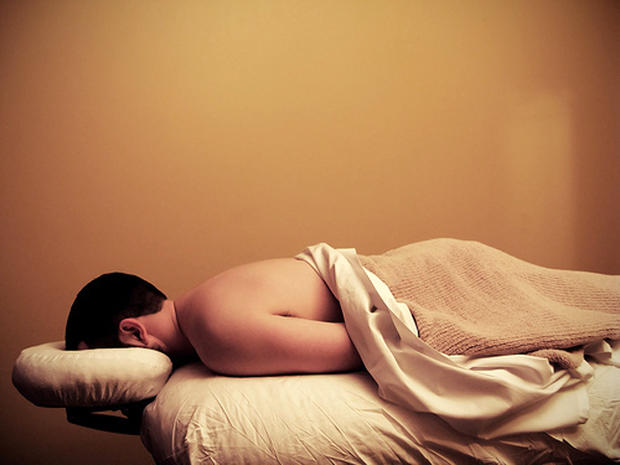
Massage not only relaxes the body and feels great, the treatment can also relieve sore muscles and help a person recover from serious injury.
According to a survey conducted by the American Massage Therapy Association, 43 percent of people who answered a questionnaire said they turned to massage for medical reasons, 32 percent said they went to see a massage therapist to help manage stress and 24 percent used massage to reduce pain.
Massage therapy
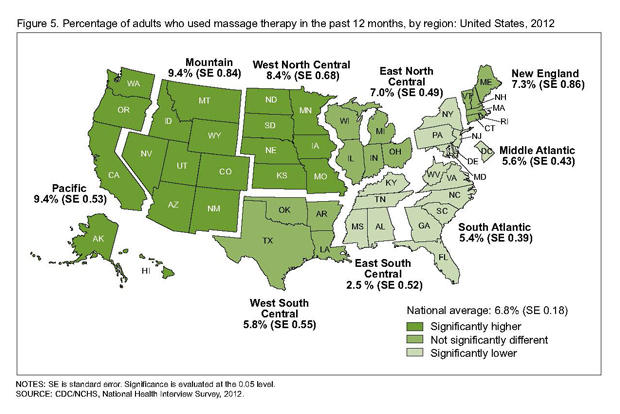
Acupuncture
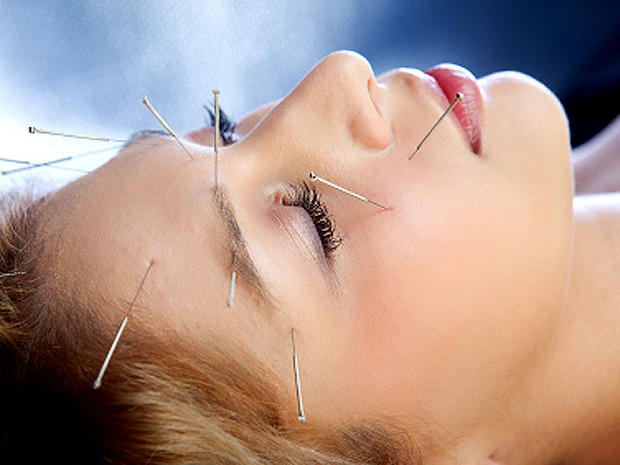
For the therapy, an acupuncturist inserts tiny, specially-designed needles in specific points of the body – known as meridians – which are said to correct imbalances that block the flow of qi, which is Chinese for “life force.”
Some recent studies have found acupuncture can help with the management ofchronic pain, aid smoking cessation and boost fertility. Other researchers say the benefits simply demonstrate the power of the placebo effect.
Special diets

Though the diet industry is a $60 billion business, only 3 percent of Americans surveyed for the report tried a special diet, which ranged from a basic vegetable-based approached to highly-restrictive programs including the Zone, vegan, gluten-free, Atkins, Paleo and Ornish diets.
In recent years, fad diets based on principles such as ketogenics have become popular with people on the quest to trim down and manage
weight-related health conditions such as diabetes and heart disease. Research varies on their effectiveness.