CBS
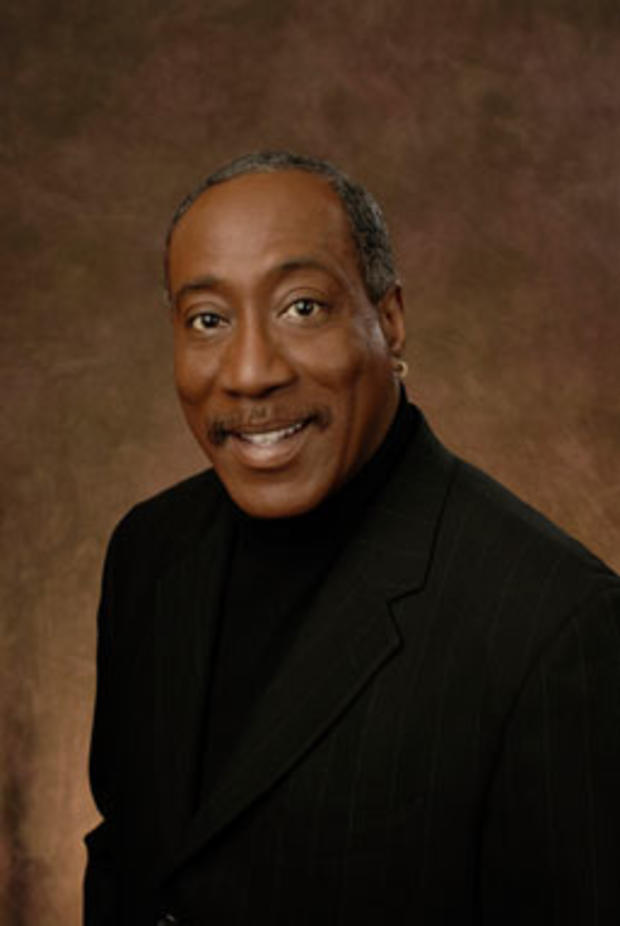
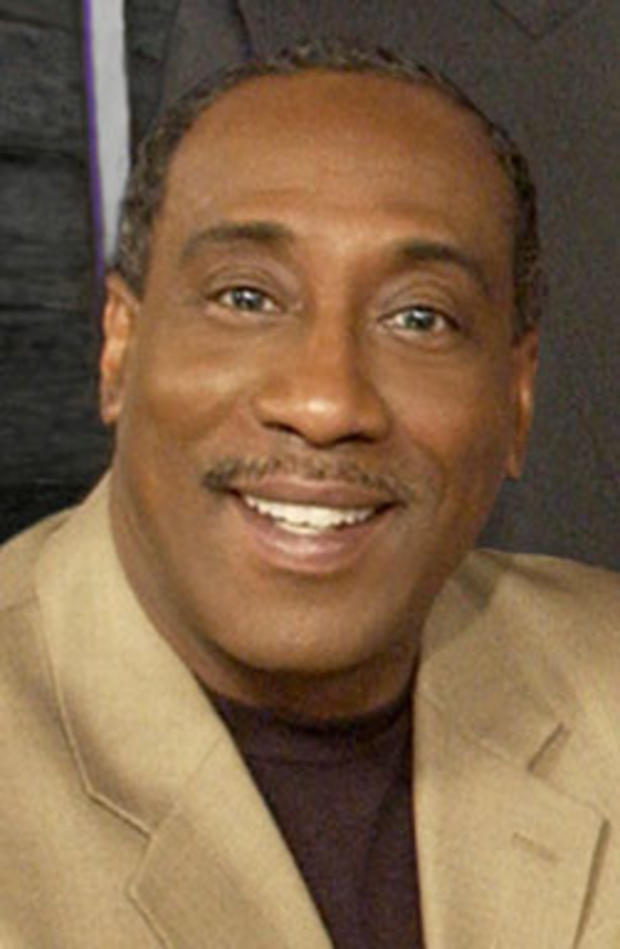
Emmy-winning CBS News correspondent Harold Dow, who helped shape the documentary program "48 Hours" and covered the kidnapping of Patricia Hearst and the Sept. 11, 2001, terrorist attacks, died on Saturday, Aug. 21, 2010, of an apparent asthma attack, his family said. He was 62. Dow is survived by his wife, Kathy, and their three children.
CBS/John Filo
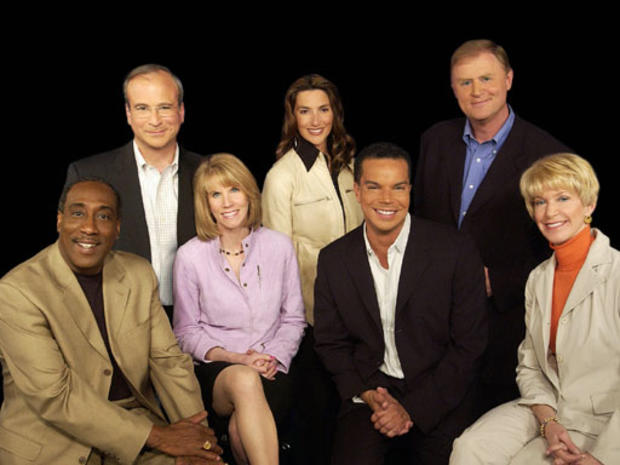
"48 Hours Mystery" correspondents from back left: Richard Schlesinger, Maureen Maher and Peter Van Sant. From front left: Harold Dow, Erin Moriarty, Troy Roberts and Susan Spencer. Dow had been a correspondent for "48 Hours" since 1990. He was also a contributor to the critically acclaimed 1986 documentary "48 Hours on Crack Street," that led to the single-topic weekly news magazine and the creation of "48 Hours."
CBS
"Harold Dow was a reporter for the ages. Insatiably curious, he was happiest when he was on the road deep into a story," said Susan Zirinsky, executive producer of "48 Hours Mystery." "It was his humanity, which was felt by everyone he encountered, even in his toughest interviews, that truly defined the greatness of his work. He was the most selfless man I have known."
CBS/Michael McHugh
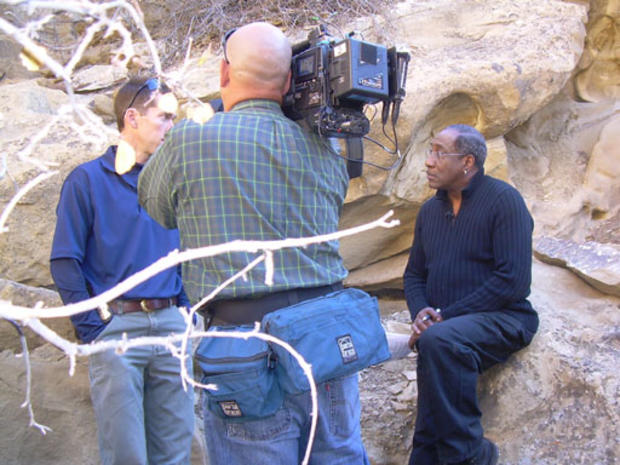
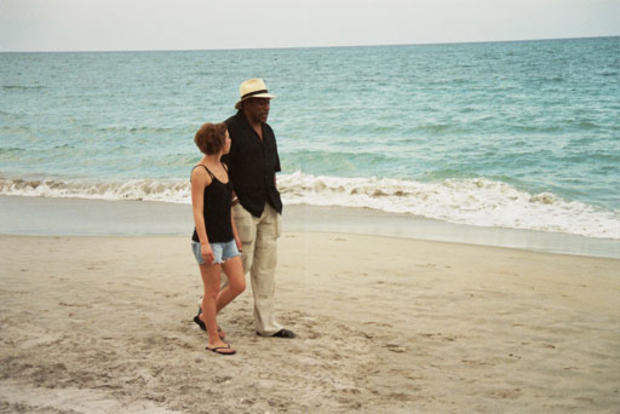
"48 Hours Mystery" correspondent Harold Dow walks along a beach with Krystal Surles in 2009. Dow covered Krystal's story 10 years earlier, when the then-10-year-old girl's throat was slashed after witnessing her friend's murder. She recently shared her story of survival with Dow for "48 Hours."
Photo by Stephen Lovekin/Getty Images
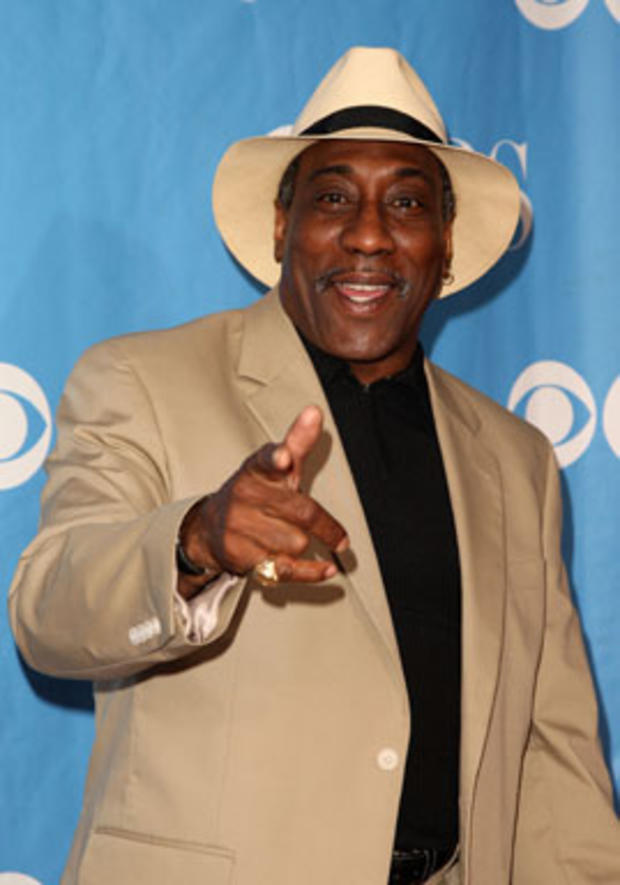
"48 Hours Mystery" correspondent Harold Dow attends the 2009 CBS Upfront on May 20, 2009, in New York.
"Harold Dow's most winning qualities were his warmth and kindness; they graced his every story... and his every encounter," said CBS News' Russ Mitchell.
CBS
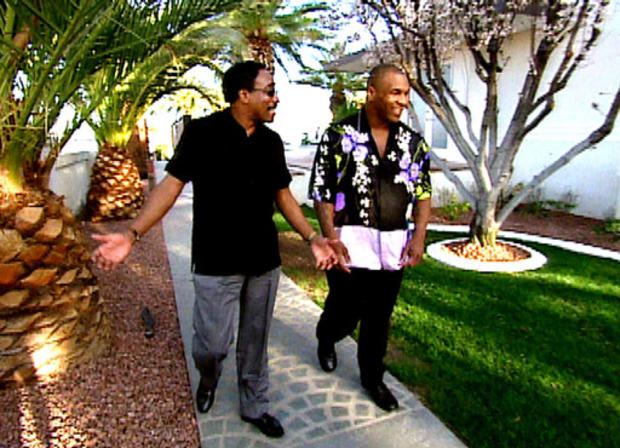
In 2001, "48 Hours" correspondent Harold Dow interviewed fighter Mike Tyson for "48 Hours: The Road Back," which explored the highs and lows of famous people who were struggling to make a comeback.
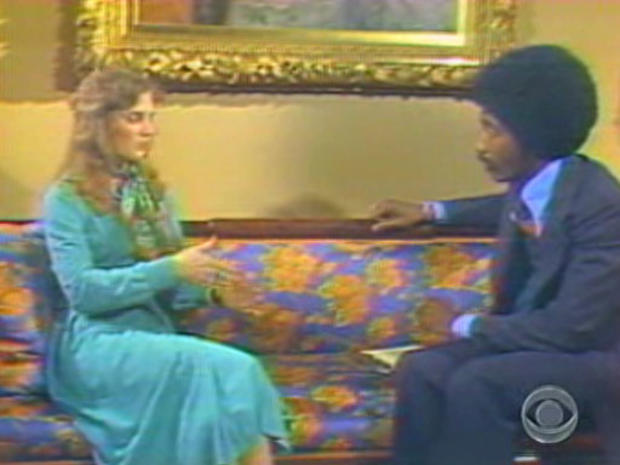
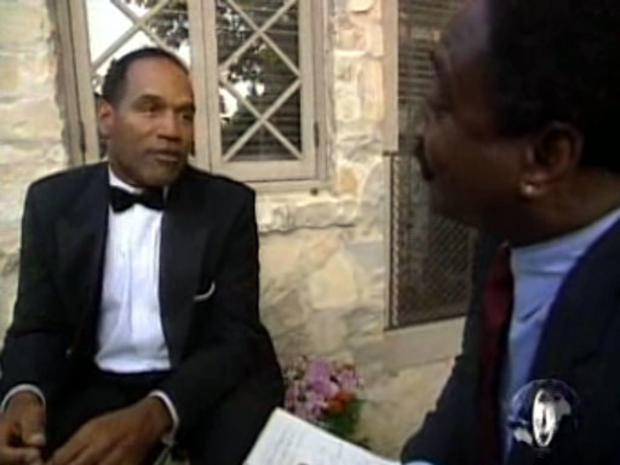
During his 40 year career at CBS News, the award winning journalist landed an exclusive interview with kidnapping victim Hearst in December 1976, and he had the first network interview with O.J. Simpson following the 1994 killing of his ex-wife.
AP Photo/CBS
Harold Dow started his career in Omaha, Neb., where he became the first African American television reporter in the state. He became co-anchor and talk-show host for KETV Omaha.
CBS
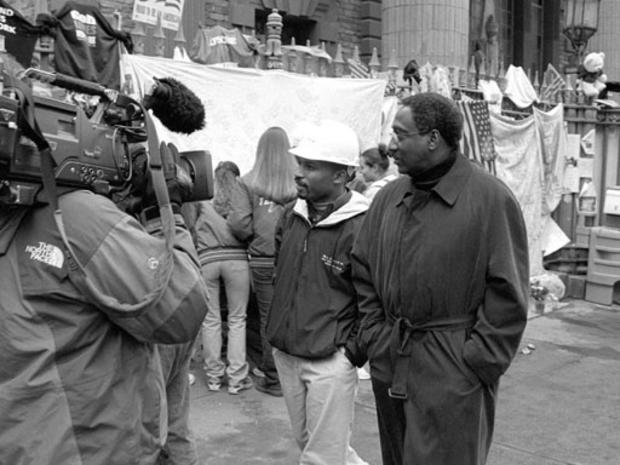
Harold Dow covered many of the most important stories of our times, including the terrorist attacks of Sept. 11, 2001, where he barely escaped one of the falling Twin Towers.
Carmine Glasso/Bergen County Record
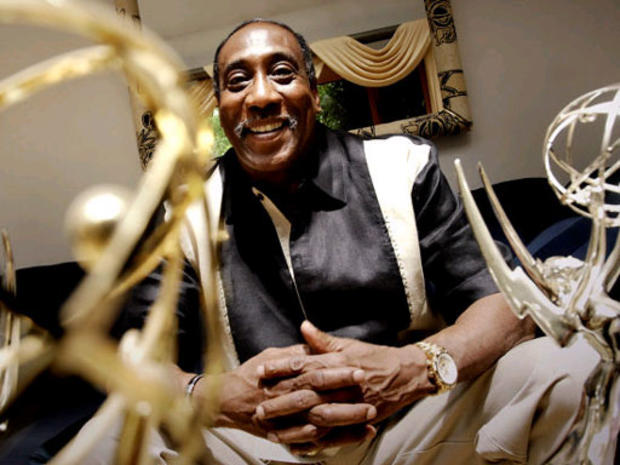
Harold Dow poses with a few of his awards for a June 2010 profile that appeared in the Bergen County (N.J.) Record.
During his career at CBS News, Dow won numerous awards, including a George Foster Peabody award and five Emmy awards. In August 2010, he was recognized by the National Association of Black Journalists for his report about the legacy of civil rights activist Medgar Evers.