istockphoto
Multiple sclerosis is a neurological disease that can cause a range of physical and mental problems. MS affects an estimated 400,000 Americans, mostly women. Could you be one of them?
MS symptoms are similar to those caused by other medical problems, and it takes a doctor to give a definitive diagnosis. Still, it's good to know the telltale symptoms. Here are 12 to be aware of, from the National Multiple Sclerosis Society...
Fatigue
istockphoto
Just because you're feeling tired doesn't mean you have MS, but severe, chronic fatigue could be a warning sign.
A severe form of fatigue that is unique to MS suffers - called lassitude - involves fatigue that occurs on a daily basis, often starting early in the morning even after a good night's sleep. Lassitute tends to worsen during the day, and tends to be aggravated by heat and humidity.
Four out of five people who have MS experience fatigue.
Double Vision
istockphoto
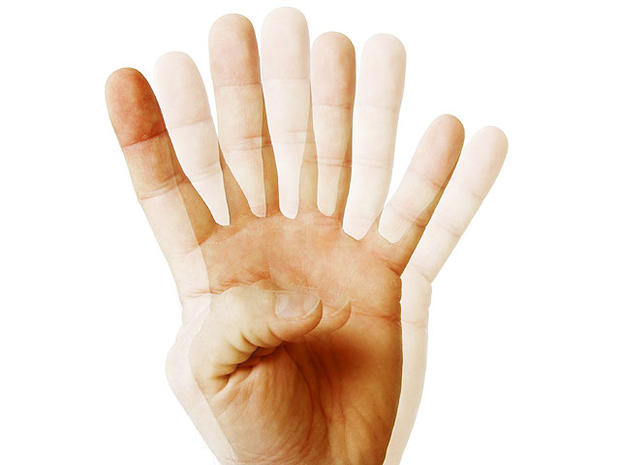
For many, double vision is one of the first MS symptoms to arise. Other eye problems that can be symptomatic of the disease include eye pain and blurring or "graying" of vision. Some MS patients experience uncontrolled eye movements.
Numbness
istockphoto
Numbness of the face, body, arms or legs is one of the most common symptoms of MS. Often it's the first symptom to appear.
Numbness associated with MS may be mild - or so severe that it makes it hard to use the affected body part. Numb feet, for example, may make it hard to walk.
Balance Trouble
istockphoto
Are you experiencing problems with balance or coordination? Do you sometimes have difficulty walking? Gait problems are often associated with muscle weakness - or tightness. Those are common symptoms of MS.
Dizziness
istockphoto
Does the room sometimes seem to spin for no apparent reason? That could be evidence of MS.
MS can also make you feel off balance or
lightheaded.
Constipation
istockphoto
MS can cause people to lose control of their bowels. Sometimes the problem is constipation. Other times it's diarrhea. These problems can be painful - and embarrassing.
Bladder Problems
istockphoto
MS can make it difficult to control your bladder. Frequent urination, nighttime urination, and having trouble starting the flow of urine are all symptoms of the disease. So is incontinence.
Four out of five people with MS experience bladder problems, according to the National Multiple Sclerosis Society.
Pain
istockphoto
Pain is one of the hallmarks of MS. It can take many forms, including an electric shock-like sensation running from the back of the head down the spine.
Burning, aching, and pins-and-needles sensations are also common in people with MS.
Memory Problems
istockphoto
MS can lead to problems with cognitive function - memory, planning, problem-solving, etc.
Often cognitive problems arise later in the course of the disease, but sometimes they are the first symptoms.
Depression
istockphoto
Emotional problems are common in people with MS - depression, mood swings, uncontrollable laughing and crying jags.
Spasticity
istockphoto
MS can cause stiffness or muscle spasms in and around the joints and in the lower back or legs.
Erectile Dysfunction
istockphoto
The nerve damage caused by MS can lead to erectile dysfunction and problems with arousal (often the result of reduced sensation in the genitals) and orgasm. Other MS symptoms like fatigue and spasticity can cause sexual problems too - for men and women.