Weinstein Company
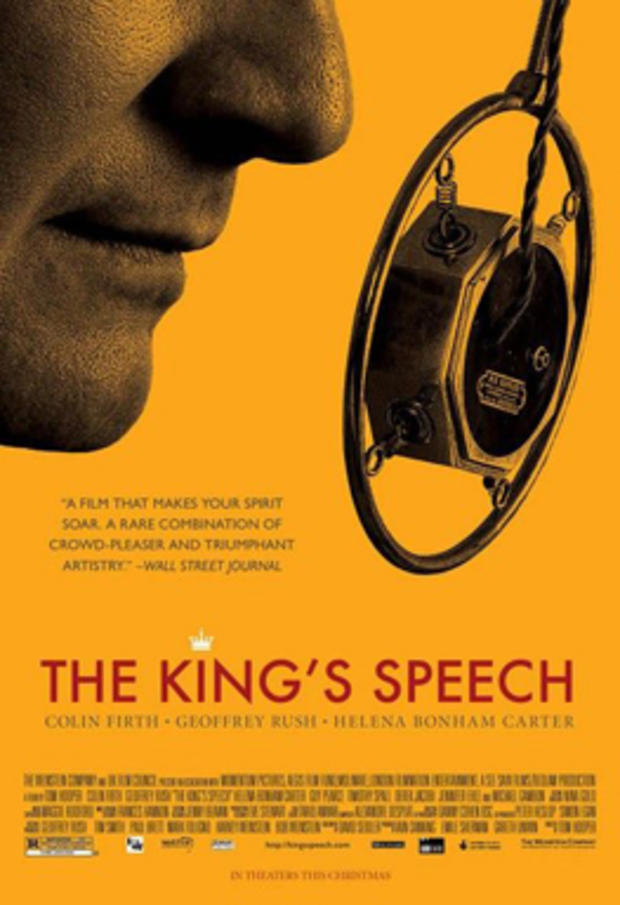
A British monarch relies upon an unconventional speech therapist to overcome a debilitating stammer in this true story of King George VI. The Weinstein Company release, nominated for 12 Academy Awards, won four Oscars, including Best Picture of 2010.
By CBSNews.com producer David Morgan
Weinstein Company
Though "The King's Speech" wears the trappings of a traditional period tale of English aristocracy, the story it tells is much more grounded in the personal and psychological inner turmoil of its central figure and his relationship with the one man who can help him.
Weinstein Company
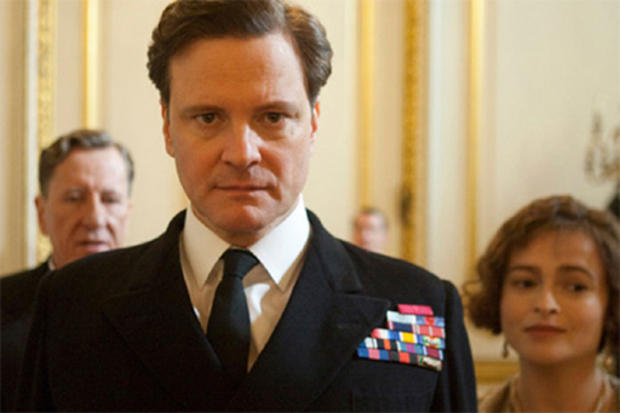
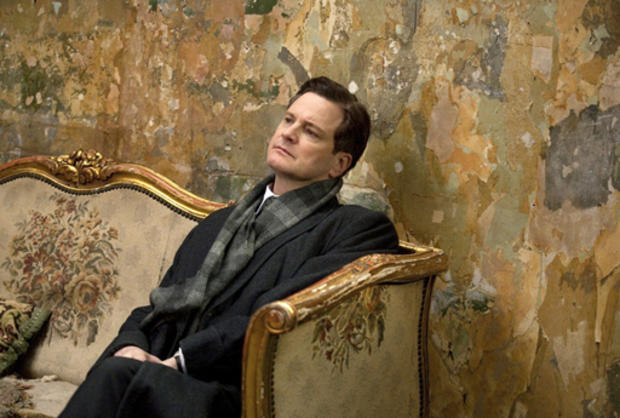
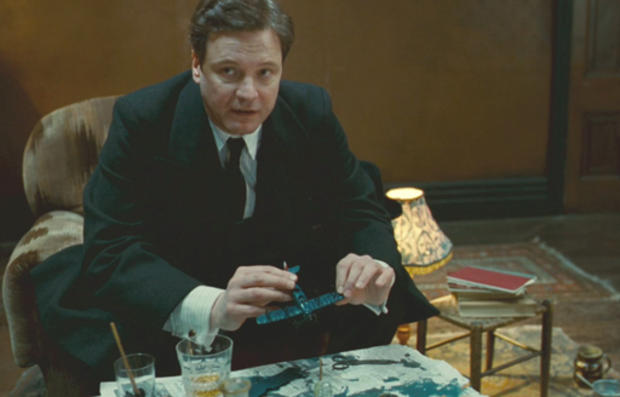
Colin Firth plays Bertie, the familiar name of the Duke of York, younger son of King George V. Unlike his older brother, Bertie suffers from a terrible social anxiety that manifests itself in a stammer, making it impossible for him to speak in public.
Weinstein Company
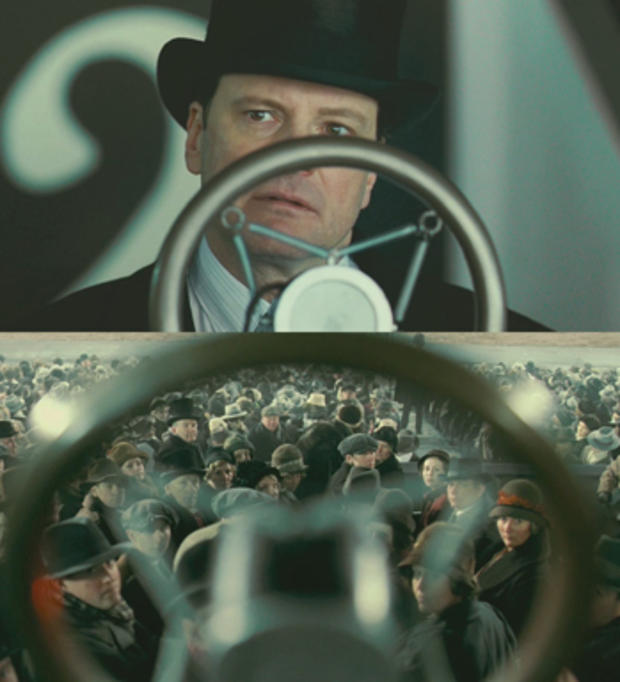
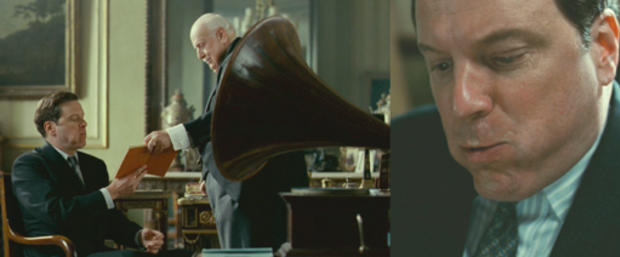
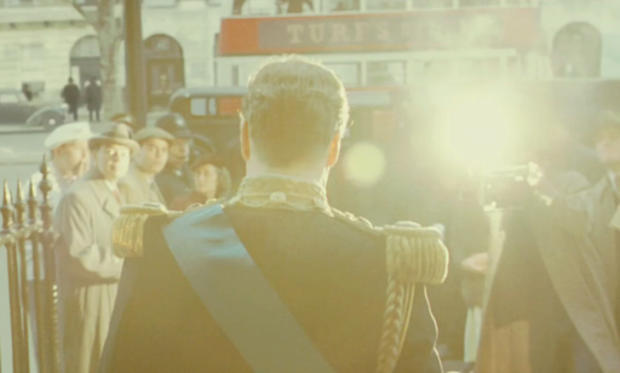
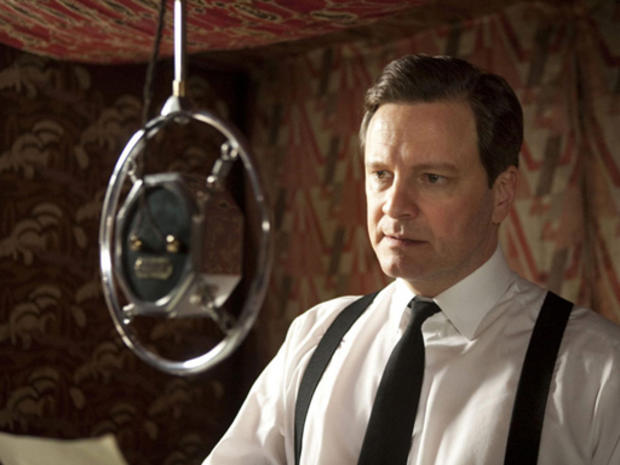
That is a terrible injury to suffer when you are a member of the royal family, expected to officiate at major events and even communicate across the empire over the wireless. As we see at a 1925 exhibition at Wembley, Bertie can barely utter a few words without being reduced to utter embarrassment - an embarrassment his audience shares.
Weinstein Company
It is not for lack of trying to overcome. The royals have access to the very best doctors (some even knighted!), but their methods are either questionable (talking through a mouth stuffed full of marbles) or dangerous (smoking more, Bertie is told, will relax the throat).
Weinstein Company
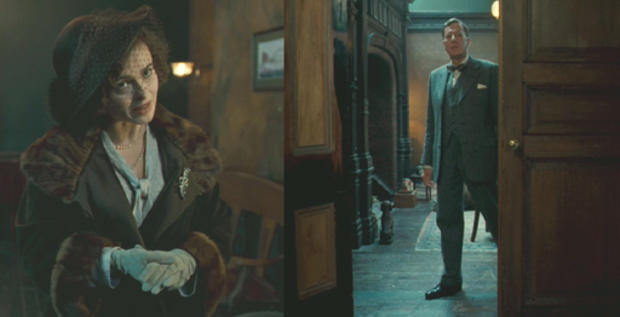
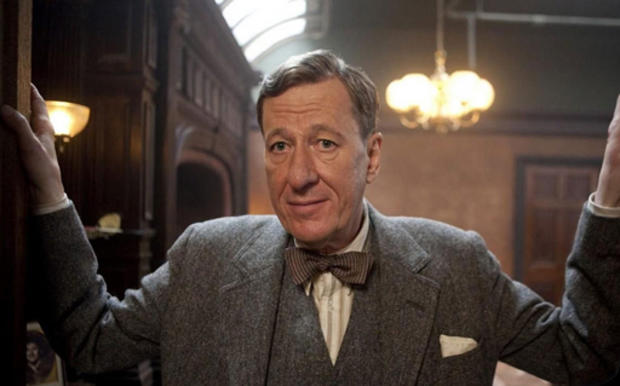
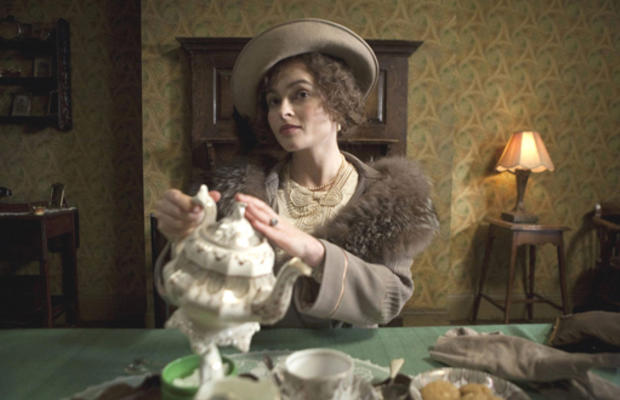
Bertie's wife Elizabeth (Helena Bonham Carter) reaches out to another therapist, an Australian named Lionel Logue (Geoffrey Rush), whose less fashionable practice nonetheless comes well-recommended. Logue offers to help "Mrs. Johnson" and invites her to bring the patient around.
ELIZABETH: Naturally he wishes to be cured. My husband is required to speak publicly.
LIONEL: Perhaps he should change jobs.
ELIZABETH: He can't.
LIONEL: Indentured servitude?
ELIZABETH: Something of that nature.
Weinstein Company
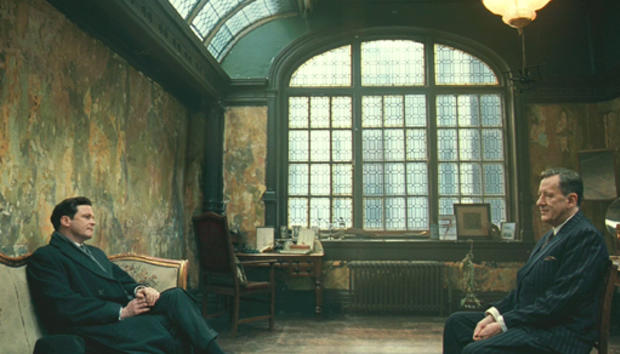
Ushered into Logue's office, Bertie is distrustful, and thrown by the familiarity of the commoner in his presence. When asked to discuss his past memories, Bertie refuses. If anything is revealed at this first meeting, it's that Bertie's temper can overrule his stuttering.
Weinstein Company
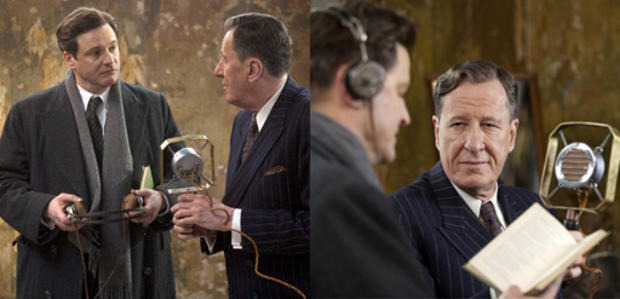
Bertie cannot read a passage of Shakespeare without a stammer, so Logue tries an experiment - placing headphones blasting music over Bertie's ears so that he cannot hear himself speak, while having him read the same passage into a recording device.
BERTIE: How can I hear what I'm saying?!
LIONEL: Surely a Prince's brain knows what its mouth is doing?
BERTIE: You're not well acquainted with Royal Princes, are you?
Bertie becomes exasperated and leaves, believing he'd failed the test. But later, upon hearing the recording, he learns that it did have impressive results.
Weinstein Company
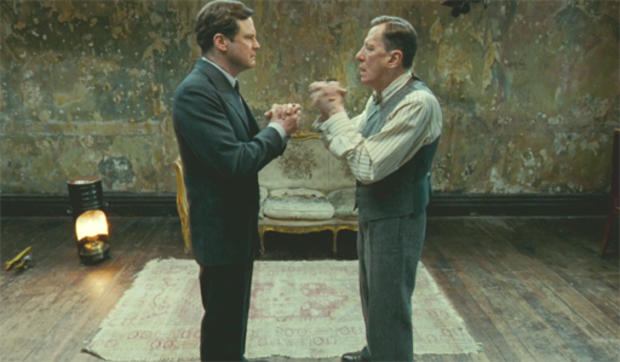
So begins the tentative professional relationship, with Logue becoming Bertie's confidant and a constant presence at the Duke's side. Though his therapy is unconventional, it seems to slowly, gradually bring results.
Weinstein Company
Although the royals are not given to public displays of emotion and are loathe to lower the traditional veil of their position, Bertie does so - slowly, warily - as his trust in Logue builds. Like an analysand building trust with his analyst, Bertie talks of his father's strict love and sibling rivalry in ways as informative and revelatory as a psychoanalytic session.
Weinstein Company
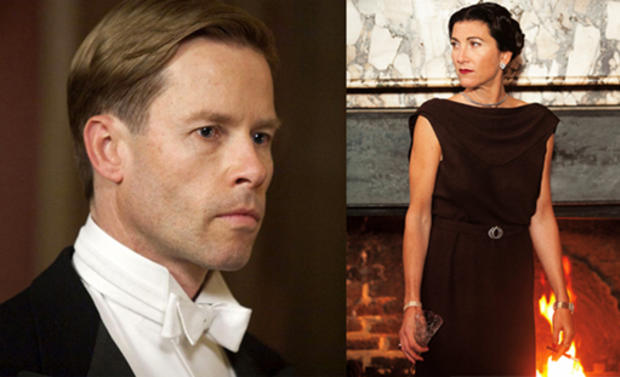
Meanwhile, Buckingham Palace is roiling from the growing scandal of Bertie's brother David (Guy Pearce) and his affair with the American socialite Wallis Simpson (Eve Best). After taking the throne following the passing of George V in 1936, David - now Edward XIII - is informed that he must make a choice - he cannot be crowned king if he marries the twice-divorced Mrs. Simpson.
Weinstein Company
All eyes then turn to Bertie on the question of succession.
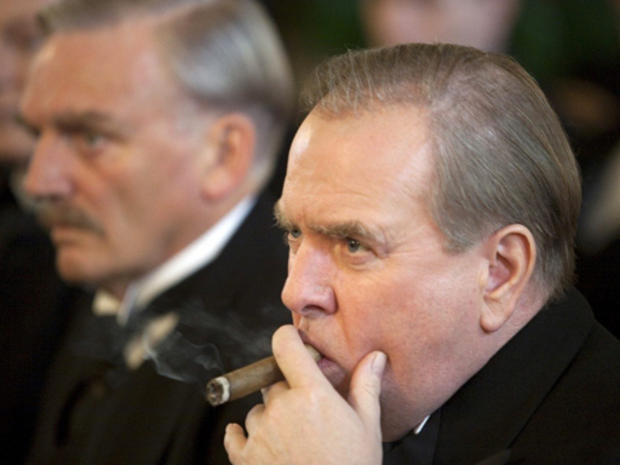
CHURCHILL: Have you thought what you will call yourself? Certainly not Albert, Sir. Too Germanic. What about George? After your father? George the Sixth. It has rather a nice continuity to it, don't you think.
Weinstein Company
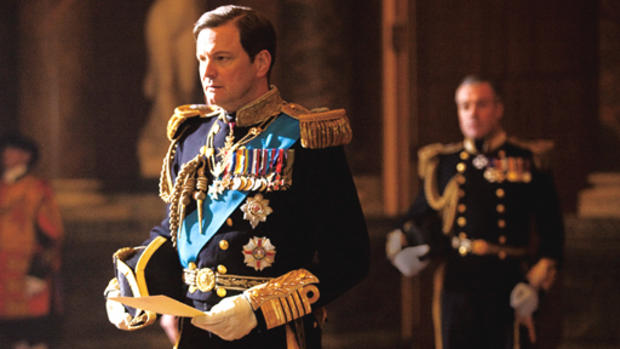
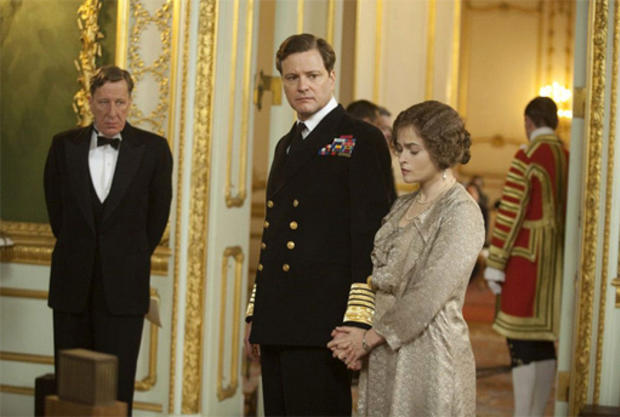
It is Bertie's time. The man who knows nothing but being a naval officer is escorted to the Accession Council Chamber at St. James Palace, where he assumes the responsibilities of the head of state, and begins the plans for his coronation as king.
Weinstein Company
From the screenplay by David Seidler:
All of Bertie's old symptoms reappear: the tightening of the neck muscles, the protruding Adam's apple, the jaw locking.
BERTIE: I meet you today in circumstances
which are -
Bertie has come to a complete muscle-locked halt.
Weinstein Company
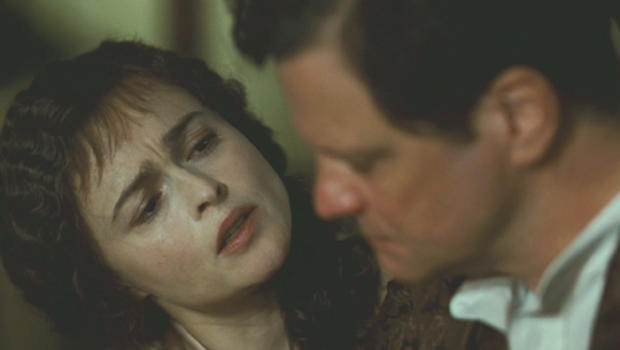
ELIZABETH: Dear, dear man ... I refused your first two marriage proposals, not because I didn't love you, but because I couldn't bear the royal cage. Could bear the idea of a life of tours and public duties, a life that no longer was really to be my own. Then I thought ... he stammers so beautifully ... they'll leave us alone. But if I must be Queen, I intend be a very good Queen. Queen to a very
great King indeed.
Weinstein Company
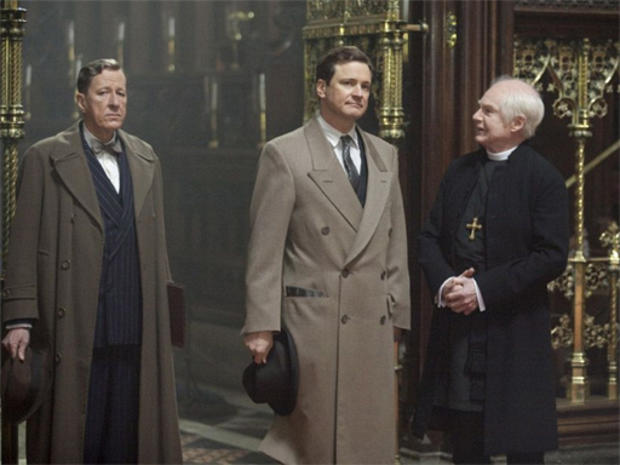
The protocols of treating a Duke are magnified when treating a King. Logue finds himself the subject of scrutiny and suspicion by such royal handlers as Archbishop Cosmo Lang (Derek Jacobi). After Logue's background is checked, Bertie is shocked to discover the truth about his therapist, and for a time their relationship is dissolved.
Weinstein Company
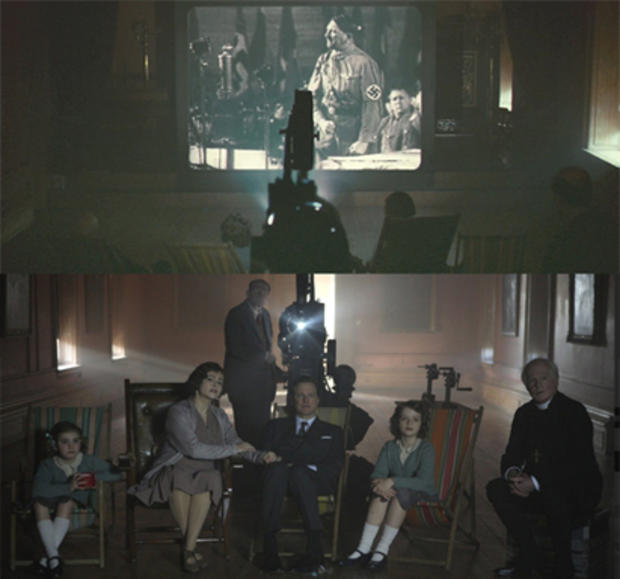
In addition to the wireless, the 20th century has brought newsreel film as a potent communication device. As Bertie watches footage of the German Fuhrer giving a fiery speech to the masses, his daughter Elizabeth asks what he is saying. "I don't know," Bertie replied. "But he seems to be saying it rather well." It is but a foreshadowing of the conflict that will soon engulf England and Germany.
Weinstein Company
As the storm clouds gather over Europe, Bertie must address his subjects on the gravest of matters - going to war for the second time in a generation - and believes he cannot do so.
LIONEL: Turn the hesitations into pauses, and say to yourself, 'God save the King.'
BERTIE: I say that continually, but apparently no one's listening.
LIONEL: Long pauses are good: they add solemnity to great occasions.
BERTIE: Then I'm the solemnest king who ever lived.
AP Photo
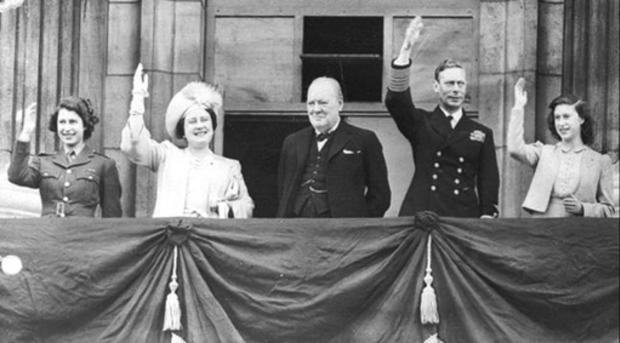
Colin Firth described to Katie Couric what it was like to listen to George VI (pictured during VE Day celebrations in 1945 with, from left, Princess Elizabeth, Queen Elizabeth, Prime Minister Winston Churchill, and Princess Margaret): "You see him running into this problem - it's absolutely heart breaking. I choked up watching him. It's very moving because it's not just the struggle. It's the courage with which he deals with the struggle. He just does it. He gets on with it. He grows through the silence, which probably seems like an eternity. And then something in your heart swells when you see him get beyond it - and get another three or four words out, before he hits another one.
"People knew this man was facing his demons just by speaking to them. I think there was a sense that it cost him something. They found it valiant."
Colin Firth
Weinstein Company
Colin Firth has already won virtually every acting accolade for her emotionally nuanced performance in "The Kings' Speech," and received an Oscar nomination for Best Actor. Previously nominated for "A Single Man," Firth has been a reliable and accomplished performer of romantic leads, none more so than his breakthrough role as Mr. Darcy in the BBC version of "Pride and Prejudice" - wet shirt and all.
Geoffrey Rush
Weinstein Company
In addition to winning an Oscar for his portrayal of the mentally ill pianist David Helfgott in "Shine," Best Supporting Actor nominee Geoffrey Rush received Oscar noms for "Quills" (playng the Marquis de Sade) and "Shakespeare in Love." He is one of the rare "triple crown" actors - his shelf also include a Tony Award (for "Exit the King") and an Emmy (for "The Life and Death of Peter Sellers"). His other credits include "Elizabeth," "Frida," "Intolerable Cruelty," "Munich," and the "Pirates of the Caribbean" series.
Helena Bonham Carter
Weinstein Company
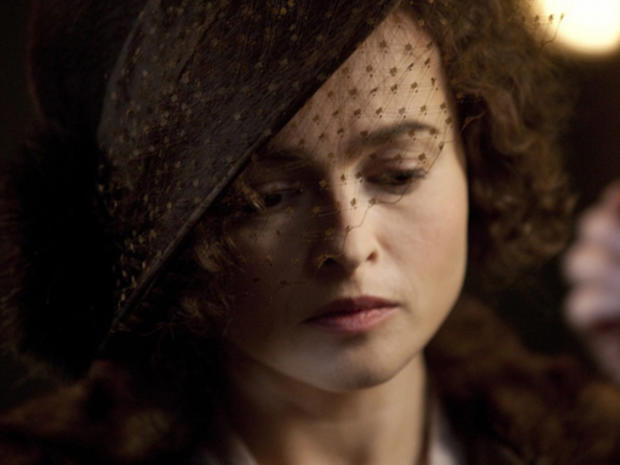
No stranger to blue bloods (her family line includes the Baroness Violet Bonham Carter and Prime Minister Herbert Asquith), Best Supporting Actress nominee Helena Bonham Carter has herself played a Red Queen, the Nine Days' Queen (Lady Jane), and a headless queen (Anne Boleyn). After her memorable feature film debut in the Merchant-Ivory production of "A Room With a View," Carter has starred in "Howards End," Franco Zefferelli's "Hamlet," "Where Angels Fear to Tread," "The Wings of the Dove" (best Actress nominee), "Fight Club," "Big Fish," Terminator Salvation," and as Bellatrix Lestrange in several "Harry Potter" films. She's also worked with her husband, director Tim Burton, starring in "Alice in Wonderland," "Sweeney Todd: The Demon Barber of Fleet Street," and "Corpse Bride."
Jennifer Ehle
Weinstein Company
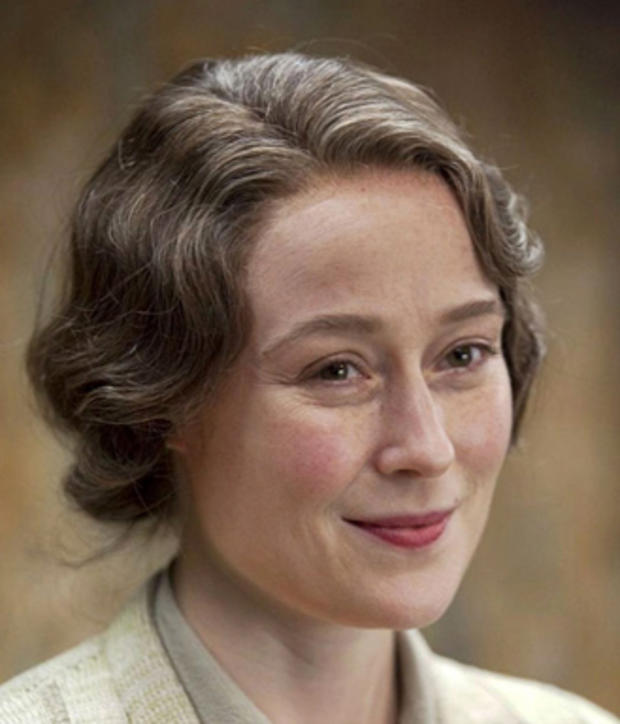
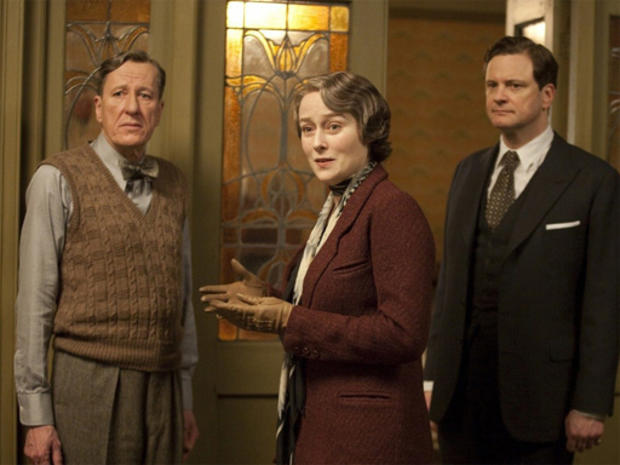
A North Carolina native, Jennifer Ehle (who plays Logue's wife Myrtle) comes from theatrical royalty - her mother is Rosemary Harris. A Tony Award-winner for the 2000 revival of Tom Stoppard's "The Real Thing," Ehle was also featured as Elizabeth Bennet in the 1995 "Pride and Prejudice" that starred Colin Firth. Her film credits include "Sunshine," "Possession," "Before the Rains," "The Greatest," "Pride and Glory," and "The Adjustment Bureau."
Tom Hooper
Weinstein Company
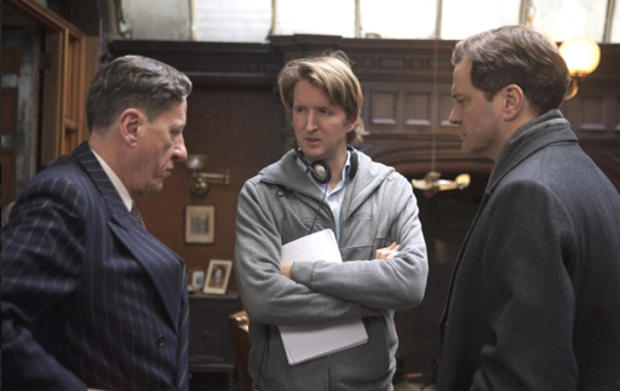
Best Director nominee Tom Hooper is a veteran of British television, including "EastEnders," "Cold Feet" and "Prime Suspect 6"; the HBO mini-series "Elizabeth I" (for which he won the Emmy Award); and "John Adams." His feature film credits include "Red Dust" and "The Damned United."
Weinstein Company
Oscar-nominated screenwriter David Seidler, who himself suffered from stuttering since childhood as a consequence of his wartime experiences, grew up fascinated by the story of George VI, and pushed to bring the tale to the screen. He even won the permission of the Queen Mother, but only on the condition that any filming take place after her death. Seidler had to wait nearly three decades until she passed away, in 2002, and eventually gained access to Lionel Logue's notebooks from the therapist's son, as well as correspondence between the therapist and his royal patient.
Weinstein Company
Seidler (whose previous credits include "Tucker: The Man and His Dream") got his play manuscript dropped onto Rush's doorstep. "This literally was a brown paper package on my front door mat in suburban Melbourne," the Australian actor said. Rush thought it would make a better film than a play, and helped develop the movie. (He is credited as executive producer.)
Kevork Djansezian/Getty Images
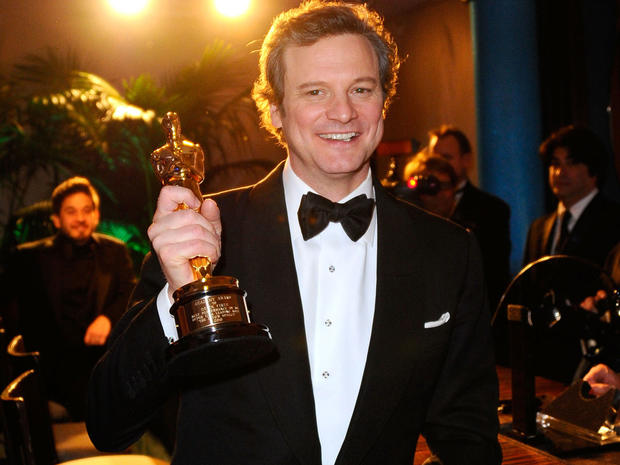
Colin Firth, winner of the award for Best Actor for "The King's Speech," at the Governors Ball on Feb. 27, 2011 in Hollywood.
When asked backstage if he was looking forward to now taking a break from Bertie, Firth replied, "Yeah, I am. Yeah, I've started having fantasies about what I'll do. ... I think I'm going to cook a lot. I don't think I'm particularly good at it, but I'm going to inflict my cooking on anybody within range, but I tend to find that's a very good way to decompress. I'll probably be the only one eating it!"
AP Photo/Matt Sayles
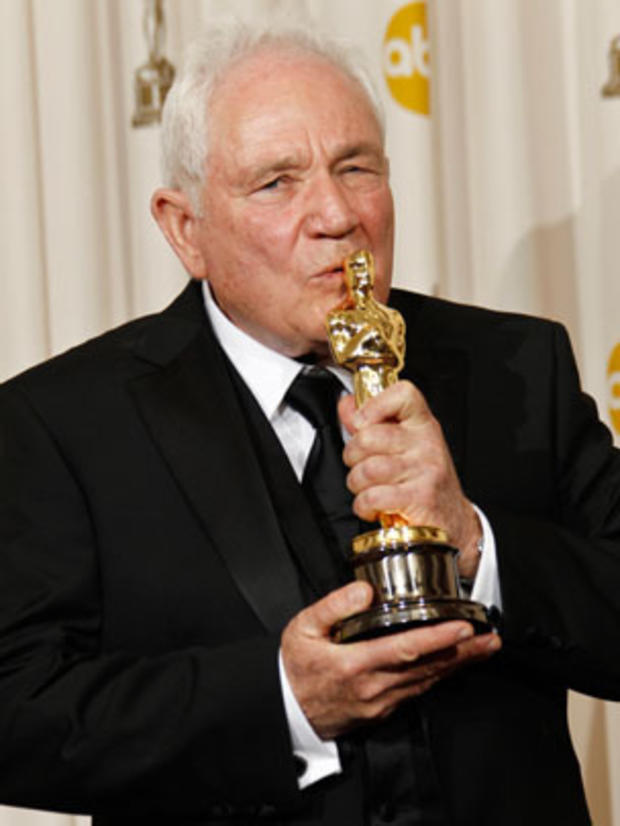
"My father always said to me I would be a late bloomer," David Seidler, 73, told the audience after accepting his Oscar for Best Original Screenplay for "The King's Speech." "I believe I am the oldest person to win this particular award. I hope that record is broken quickly and often." He thanked the Queen "for not putting me in the Tower of London for using the Melissa Leo "F" word. And I accept this on behalf of all the stutterers throughout the world. We have a voice, we have been heard, thanks to you, the Academy."
AP/Mark J. Terrill
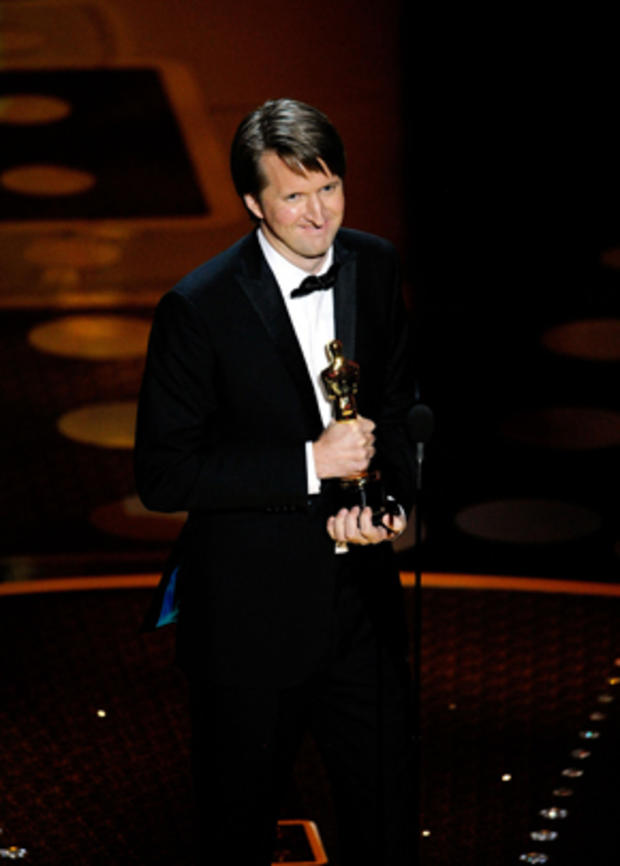
In accepting his Oscar for Best Director for "The King's Speech," Tom Hooper directed the crowd's attention to his mother in the audience: "I know there's been a lot of thanking of mums, but this is slightly different because my mum in 2007 was invited by some Australian friends - she's Australian - in London to a fringe theater play reading of an unproduced, unrehearsed play called 'The King's Speech.' Now she's never been invited to a play reading in her entire life before, she almost didn't go because it didn't sound exactly promising, but thank God she did, because she came home, rang me up and said, "Tom, I think I found your next film.'
"So with this tonight, I honor you, and the moral of the story is, listen to your mother!"