Coronavirus New Jersey: COVID-19 Death Toll Rises Over 2,000 As Positive Cases In Garden State Near 60,000
TRENTON, N.J. (CBS/AP) - More than 2,000 people have now died in New Jersey from the coronavirus as the number of cases nears 60,000. Gov. Phil Murphy reported an additional 3,599 cases of COVID-19 on Saturday, bringing the state total to 58,151.
Murphy says an additional 251 residents have died from the virus, raising the state's death toll to 2,183.
Murphy called the number of deaths and hospitalizations "daunting," but said he wanted to remind people that hundreds each day leave hospitals having "beaten to some degree" the virus.
Coronavirus Latest: What You Need To Know And Staying Connected
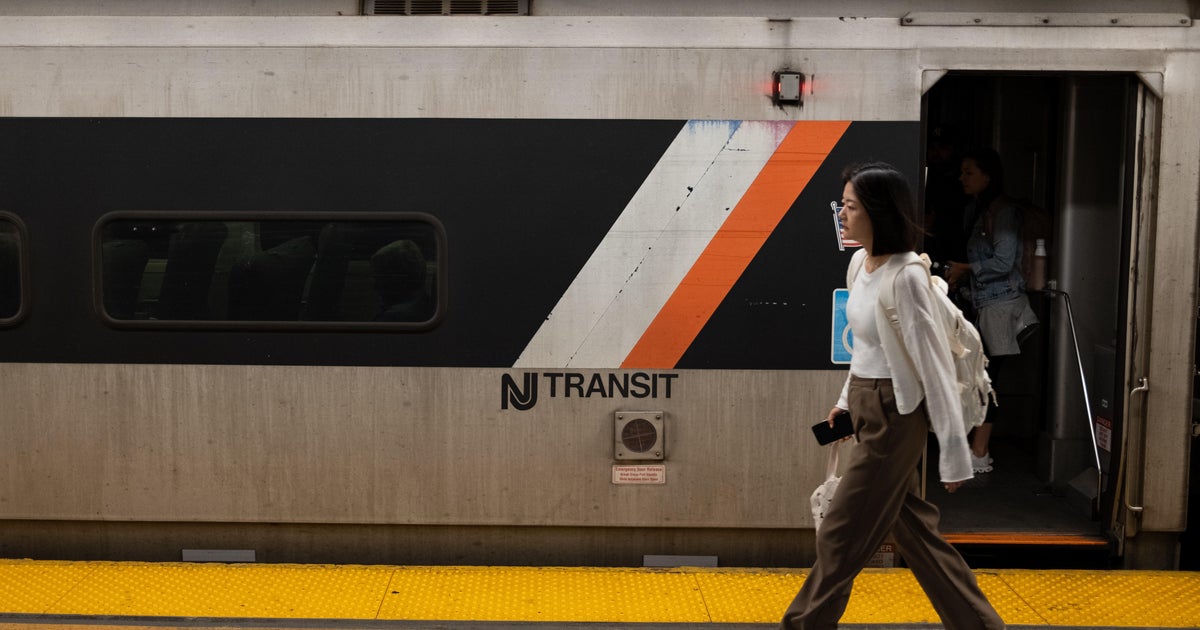
The governor announced he's signing an executive order directing New Jersey Transit and all private carriers to cut the capacity on all trains, buses, light rail vehicles, and paratransit vehicles to 50% of their maximum. They must also supply all their workers with gloves and face coverings.
All riders are required to wear a face-covering when traveling either on NJ Transit or with a private carrier unless they cannot for medical reasons. The order goes into effect at 8 p.m. Monday.
Many essential workers get to work by public transit, "and we need to protect them during that trip," Murphy said.
He also said all food-service personnel must be wearing a face-covering, and customers heading inside a restaurant or bar to pick up a takeout order must also be wearing a face-covering.
"If you're not walking into an establishment, a face covering will not be required," Murphy said. "We will require that restaurants and bars give face coverings and gloves to all their food-service personnel. A face covering does not mean a medical-grade mask. There are any number of ways you can cover your mouth and nose with a bandana or a homemade fabric covering."
On Friday, the governor said he's signing an executive order to allow certain low-risk inmates to be placed on temporary home confinement or granted parole if eligible amid the pandemic.
State correctional institutions are seeing COVID-19 spread within their walls, the governor said, leading him to sign the order.
The low-risk individuals include those who are 60 and over or health status puts them at risk for the virus, who had been denied parole within the past year, or whose sentences are set to expire within the next three months. No one who convicted a serious crime, such as murder, sexual assault, among others, will be considered.
No one who can meet those standards will be released.
The governor also signed an executive order to extend the grace period for paying insurance premiums. For health and dental insurance, the grace period will be 60. Renters, home, auto and life insurance policies will have a 90-day grace period.
Insurers can't demand payment of premiums in a lump sum after grace period ends, but payments will have to be "smoothed out" over the life of your premium payments, according to the governor.
New Jersey grocery stores must also adhere to social distancing rules at all times. Masks are being required for all workers and customers.
For most people, the coronavirus causes mild or moderate symptoms, such as fever and cough that clear up in two to three weeks. For some, especially older adults and people with existing health problems, it can cause more severe illness, including pneumonia, or death.
(© Copyright 2020 CBS Broadcasting Inc. All Rights Reserved. The Associated Press contributed to this report.)