Windows Phone 7: Microsoft Looks for Fresh Start in Smartphones
"I've been looking forward to this day, for some time I would say," Microsoft CEO Steve Ballmer said as he opened a press conference in New York to officially announce Windows Phone 7.
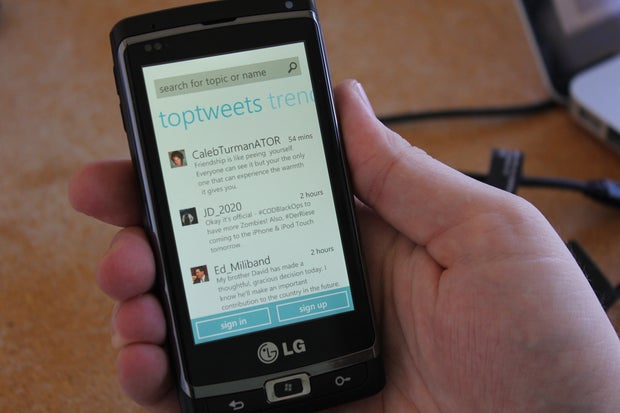
It was an inside joke that everyone in the audience got. This is Microsoft's second try at cracking this market. The first was a device aimed at businesses that the company discontinued a year and a half ago. Watching the success enjoyed by Google's Android and the iPhone in the mobile market, Microsoft had concluded it needed a more consumer-friendly product. (Windows Phone 7 was first shown at Mobile World Congress in Barcelona early this year.)
A lot is riding on a successful outcome. The absence of a strong entry in mobile has led to investor dissatisfaction and increasing pressure on Microsoft to prove it can compete in the consumer market. In the most recent quarter, Microsoft's older system, Windows Mobile, accounted for about 5 percent of the worldwide smart phone market. Compare that with 41 percent for Symbian (mainly used by Nokia.), 18 percent for Research in Motion's BlackBerry phones, 17 percent for Android and 14 percent for the iPhone, according to research firm Gartner.
Steve Ballmer Talks Smartphones
"We want you to get in, get out and back to your life," Ballmer said.
Also See:
How Microsoft Plans to Sell Windows 7
Behind the Scenes With Windows 7
Microsoft press release.Microsoft brought AT&T Wireless head Ralph de la Vega on stage to give the new operating system a show of support. He called it a "breakthrough experience" that was "fun, fast and personal." (He also announced that AT&T would sell three Windows Phone 7 smartphones, which he called a "cornerstorne of our smartphone portfolio." (That was a telling statement given the increasing likelihood that next year AT&T will lose its exclusive deal to sell the iPhone.)
Now the question is how consumers, used to being dazzled by glitzy smartphone debuts, will react. Not to make too much of initial impressions, but the reaction from audience of media and analysts assembled at the Microsoft product announcement today was more subdued. Clearly, this was not a Steve Jobs-a-thon with its ritual punctuations of applause and gasps.
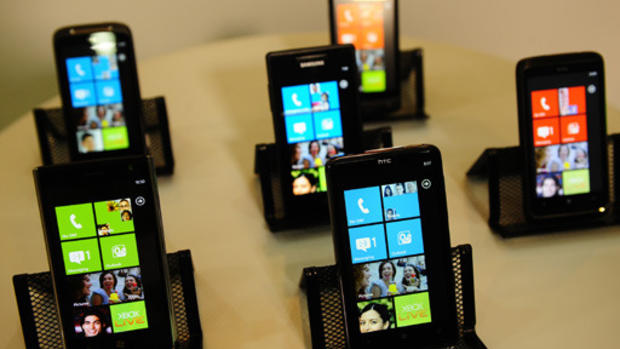
In addition to AT&T, other big names including Samsung, LG Quantum, and HTC Corp. and T-Mobile were on hand to announce smartphones based on the new Microsoft platform. The first phone with Windows Phone 7 Series will be the Samsung Focus, which hits AT&T stores Nov. 8 for $200 with a two-year contract requirement. In all, Microsoft announced nine phones for the U.S. market on Monday, including one from Dell Inc., and it has lined up 60 carriers in 30 countries to carry Windows Phone 7.
The software is designed to work well with Microsoft's cash-cow Office applications and to connect to Xbox Live, the company's online game service. Early word was that Windows Phone 7 would not support copying and pasting of text, but Microsoft announced Monday that the feature would be introduced through a software update early next year.
To make Windows Phone 7 a success, Microsoft has to win over not just phone manufacturers and phone companies, but software developers. The iPhone and Android are popular in part because of the tens of thousands of tiny applications, or "apps," made by outside software developers. Although there are tens of thousands of applications written for Windows Mobile, they won't work on Windows Phone 7, so Microsoft has to recruit a whole new base of developers. Those developers may not want to devote the resources to build programs for another smart phone system until it gains traction with users. Microsoft showed off apps from game publisher Electronic Arts Inc. and the Internet Movie Database on Monday, but a broader base of developers will be crucial.
The Associated Press contributed to this report.