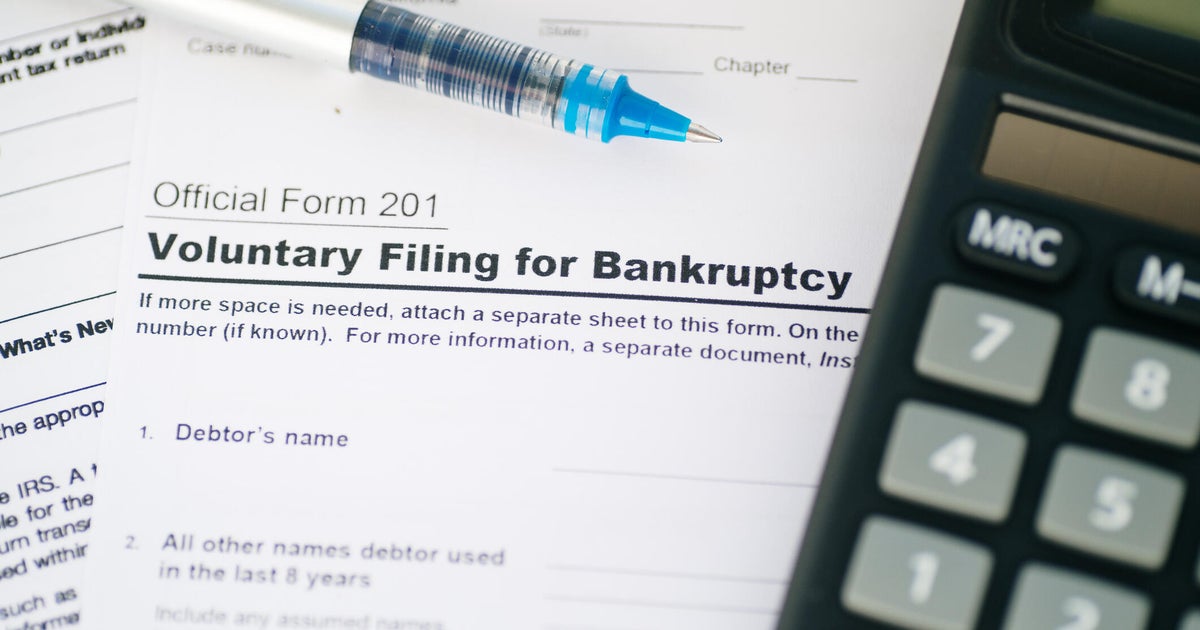
What's the maximum income when filing for bankruptcy?

Over the past year, issues with rising living costs, stubborn interest rates and rapidly compounding credit card balances have pushed many households closer to the financial edge, and in today's tough financial landscape, more borrowers may be teetering on the brink of devastation. Even people with steady paychecks are discovering that income alone doesn't guarantee financial stability when debt payments start demanding most of each month's budget.
That's why bankruptcy often comes up as a possible reset. When you file for bankruptcy, you essentially reset your financial picture by wiping the slate clean of your debts or reorganizing them in a more manageable way. And, while that can be a smart move to make in certain circumstances, income is one of the first concerns people have when considering it. That's due, in part, to the widespread belief that bankruptcy filers must earn below a certain dollar amount to qualify.
In reality, income does play a role in bankruptcy filings, but it can be more complicated than you'd expect. Understanding how income factors into bankruptcy eligibility, though, can help you decide whether filing makes sense — and determine which type of bankruptcy might actually offer relief.
Learn how to start tackling your high-rate debt today.
What's the maximum income allowed when filing for bankruptcy?
There is no universal maximum income that automatically disqualifies someone from filing for bankruptcy. When you file for this type of relief, income is evaluated differently depending on the type of bankruptcy you're pursuing — most commonly Chapter 7 or Chapter 13.
Chapter 7 bankruptcy is designed to eliminate unsecured debts like credit cards and medical bills. To qualify, you typically must pass the means test, which compares your household income to the median income in your state. If your income is below the median, you generally qualify without issue. If it's above the median, the analysis continues by looking at your allowable expenses, like housing, food, transportation, insurance and other essentials.
If those expenses significantly reduce your disposable income, you may still qualify to file for Chapter 7, even with a higher salary. In other words, earning more doesn't automatically disqualify you. What matters is how much money is actually left after necessary expenses.
Chapter 13 bankruptcy, on the other hand, has no income ceiling. This type of bankruptcy restructures debt into a court-approved repayment plan that usually lasts three to five years. Higher-income filers are often steered toward Chapter 13 because they are deemed capable of repaying at least a portion of what they owe. In fact, having a steady income is often a requirement for Chapter 13 approval.
It's also important to note that income isn't measured in isolation. Courts also consider household size, marital status, dependents and regional cost-of-living differences. For example, someone earning $85,000 in a high-cost metro area with three dependents may qualify for Chapter 7, while someone earning far less in a low-cost area might not.
The key takeaway here is that income affects the path, not the permission. Bankruptcy law recognizes that even people with solid earnings can reach a financial breaking point, especially when interest, penalties and minimum payments spiral out of control.
Find out whether you qualify to settle your debt for less now.
What other debt relief options exist?
Income may influence bankruptcy eligibility, but it doesn't determine whether bankruptcy is the right solution. That's especially true for people who earn too much for Chapter 7 but don't have the financial flexibility to manage a multi-year Chapter 13 repayment plan.
This is where debt relief alternatives often come into play.
For example, debt settlement programs, also known as debt forgiveness programs, focus less on income limits and more on your overall financial hardship. The experts you work with in these programs, which are offered by debt relief companies, negotiate with your creditors to reduce balances, potentially allowing you to resolve debt for less than what you owe without court involvement. While not risk-free, debt settlement can offer a middle ground for higher-income earners who are still overwhelmed by unsecured debt.
Debt management programs, which are typically offered by nonprofit credit counseling agencies, may also be an option. These plans are tailored to your finances and help consolidate your monthly payments while reducing interest rates. That makes your balances more manageable without damaging your credit as severely as bankruptcy might.
The right choice ultimately depends on your specific situation, though, including how much debt you carry, what types of debt it is, whether you're facing immediate legal action from creditors and your income level. For some people, bankruptcy provides necessary protection and a fresh start. For others, the alternative debt relief options offer more flexibility and less long-term credit damage.
The bottom line
There is no single maximum income that bars you from filing for bankruptcy. Instead, your income helps determine which type of bankruptcy you may qualify for and what your obligations would look like afterward. If your income is lower or heavily offset by essential expenses, Chapter 7 may still be within reach. If your income is higher, Chapter 13 or a debt relief alternative may offer a more realistic path forward.
Before making a decision, it's worth looking beyond income alone and considering the full picture: your debt load, monthly obligations, financial goals and tolerance for long-term repayment. In many cases, exploring multiple options can reveal solutions that feel less overwhelming and more sustainable than bankruptcy alone.