"Weeds: In Defense of Nature's Most Unloved Plants," by Richard Mabey
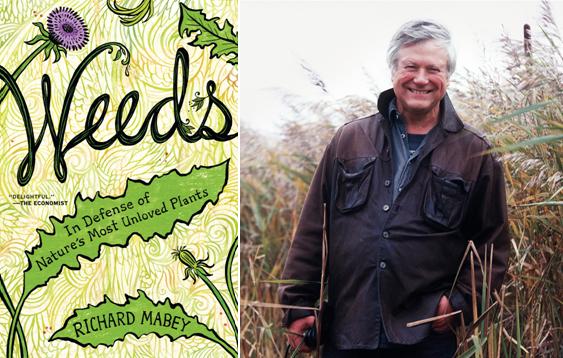
Jeff Glor talks to Richard Mabey about "Weeds."
Jeff Glor: What inspired you to write the book?
Richard Mabey: It was an irresistible suggestion by my publisher. The interface between nature and culture has always been fascinating to me, as has the resilience and opportunism of nature. Weeds fit into both areas. They're also nature's outsiders, revealing a lot about our prejudices and blind-spots and environmental loutishness, and I'm a sucker for the underdog.
JG: What surprised you the most during the writing process?
RM: Discovering that "weed gardens" were made by British soldiers in the trenches of WWI , who dug up wild flowers from the French countryside and transplanted them to little terraces, edged with shell cases, along the edges of their trenches. A heartbreaking image of how the familiarity and modesty of these lowly plants reminded them of home.
JG: What would you be doing if you weren't a writer?
RM: Mouldering in a pit of unfulfilled boredom - but I wouldn't have minded being gifted with the skills of a Baroque lutenist!
JG: What else are you reading right now?
RM: (Apart from work reading), on the bedside table are: Alexandra Harris, "Romantic Moderns: English writers, artists and the imagination from Virginia Woolf to John Piper;" Jonathan Franzen, "Freedom;" and Angus Trumble's wonderfully off-the-wall cultural history "The Finger. A Handbook."
JG: What's next for you?
RM: A kind of biographella of Flora Thompson, author of "Lark Rise to Candleford" (currently on PBS in the U.S. I believe), the most accurate, and literary, memoir of rural life at the end of the 19th C (written, uniquely, by woman from the rural working class) and how it contributes to the powerful image of a 'golden age' of country living as one of the defining ideals of national identity.
For more on "Weeds," visit the Harper Collins website.