Why is Trump threatening to punish Iraq if a former prime minister is reelected?
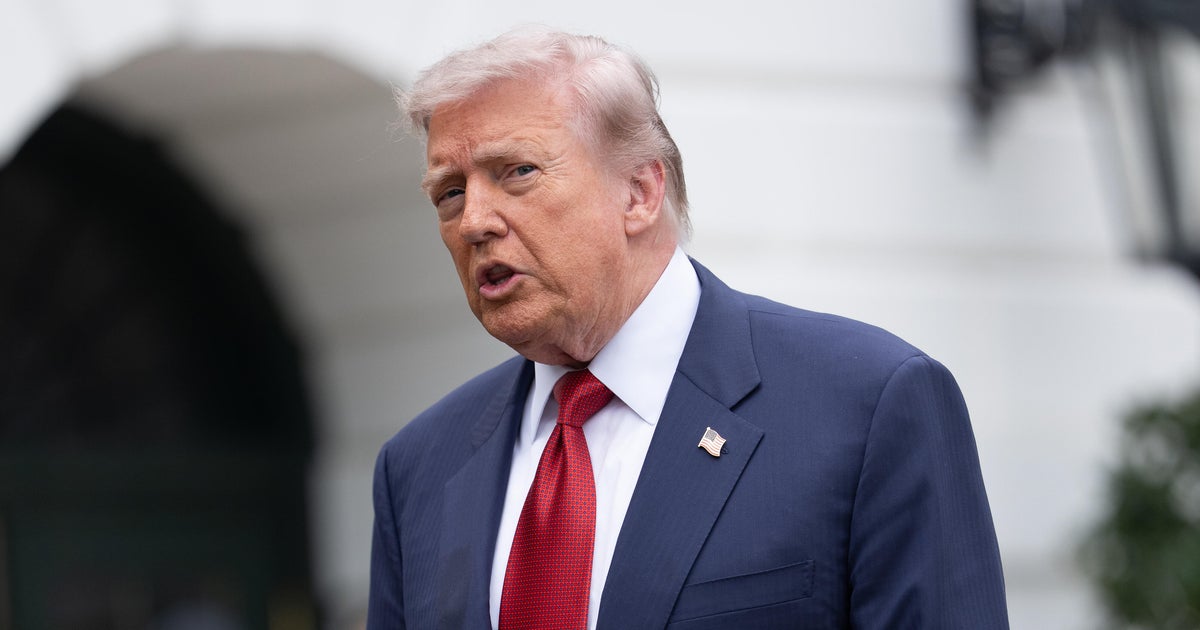
Erbil, Iraq — President Trump has threatened to cut off all U.S. support for Iraq if the country reelects former Prime Minister Nouri al-Maliki for a third term.
Al-Maliki, a member of Iraq's Shiite Muslim majority, was forced to resign in 2014 after two consecutive terms in office amid pressure from both inside and outside the country as it grappled with the rise of the Sunni terror group ISIS.
Here's what to know about al-Maliki, why Mr. Trump is refusing to work with him, and what the standoff could mean for Iraq:
What has President Trump said?
In a post on Truth Social on Jan. 27, President Trump called al-Maliki a "very bad choice" for Iraq, arguing that his previous leadership, between 2006 and 2014, was defined by "poverty and total chaos."
"Because of his insane policies and ideologies, if elected, the United States of America will no longer help Iraq and, if we are not there to help, Iraq has ZERO chance of Success, Prosperity, or Freedom," Mr. Trump said.
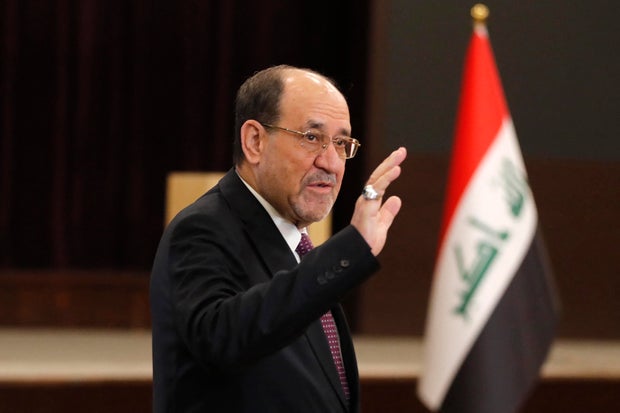
In a statement posted Wednesday on social media, al-Maliki said, "we categorically reject blatant U.S. interference in Iraq's internal affairs, which we consider a violation of its sovereignty and a contradiction of the democratic system established in Iraq after 2003."
Why is Trump so against Nouri al-Maliki?
One analyst, and remarks by America's top diplomat, suggest there's a single word that explains why Mr. Trump is taking aim at al-Maliki, though the president actually left the word out of his Truth Social post: Iran.
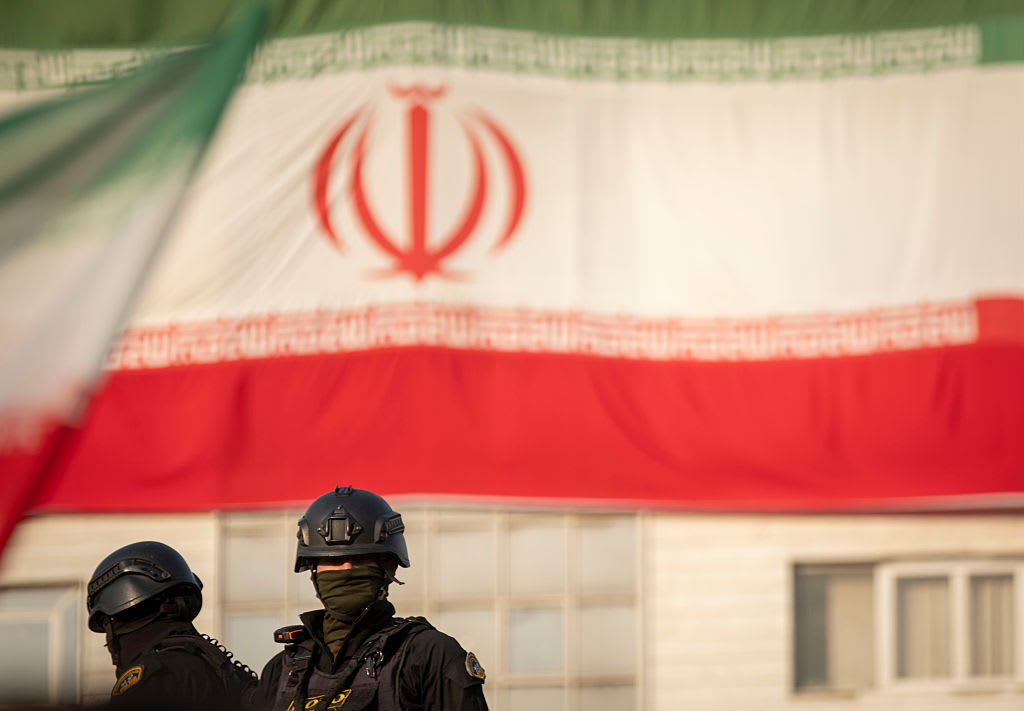
His vociferous opposition to al-Maliki appears to be part of a renewed effort by Washington to curb the influence wielded over Shiite-majority Iraq by its neighbor Iran, the biggest Shiite power in the region. It's a legacy of the aftermath of the 2003 U.S. invasion, which toppled the Sunni dictator Saddam Hussein but then opened the way for Iran to assert its influence.
Secretary of State Marco Rubio, on a Jan. 25 phone call with outgoing Iraqi Prime Minister Mohammed Shia al-Sudani, emphasized that any Iraqi "government controlled by Iran cannot successfully put Iraq's own interests first, keep Iraq out of regional conflicts, or advance the mutually beneficial partnership between the United States and Iraq."
Iraq's leading Shiite political parties, including al-Maliki's, are seen by the U.S. as being aligned with, if not dependent on, Iran. During his time in power, al-Maliki was regarded as being particularly close to Iran and was also accused of being overly sectarian, targeting members of Iraq's Sunni minority with his policies.
Ayad Al-Anber, a professor of political science at Baghdad University, told CBS News on Thursday that the harsh rhetoric used by Mr. Trump took him by surprise, but the motivation for it was clear: The U.S. is determined to prevent Iraq from coming under the control of a government seen as beholden to Iranian influence.
He said it was still not clear, however, how much pressure the Trump administration would be willing to employ, be it diplomatic, economic or military, to achieve that objective.
Could Nouri al-Maliki be reelected in Iraq?
The Shiite Coordination Framework, the largest bloc in the Iraqi parliament, recently reached a majority agreement to nominate al-Maliki for a third term.
The former prime minister has remained a highly influential figure in Iraqi politics despite his inglorious exit from the office in 2014, thanks in large part to his skills as a politician and crisis manager.
That said, there are no political polls in Iraq to help gauge his popularity nationally, or even among Shiite voters.
What are the stakes for Iraq?
Mr. Trump has left Baghdad with a serious dilemma. For the sake of domestic tranquility, any government must maintain an incredibly delicate balance, keeping the country's Shiite majority, and its large Sunni and Kurdish minorities, happy.
According to the U.S. government, Iraq received some $31 million in direct foreign assistance from Washington in 2025. That figure doesn't include the cost of the significant U.S. military deployment in the country, aimed at keeping the lingering threat from ISIS in check.
Of that U.S. funding, about $20 million was devoted to security related costs, and almost $9 million went to help cover government and civil society operating costs.
Another vital element of U.S. support is less direct, but also gives Washington significant leverage: All the Iraqi government's oil revenue is processed through the Federal Reserve Bank of New York, and if the Trump administration deems Baghdad to be doing Iran's bidding, there's concern in Iraq that the funds could be ringfenced.