Trump's threats to Iranian leaders are inspiring protesters but might not deter crackdown, analysts say
The leader of an independent Iranian news publication says that President Trump's warnings are alarming officials in the Middle Eastern country and encouraging protesters as the largest demonstrations in years sweep the nation.
Iran's Judiciary Chief has warned that protesters will face the "maximum" punishment, and the country's attorney general said that anyone taking part in protests will be considered an "enemy of God," a death-penalty charge, according to the Associated Press.
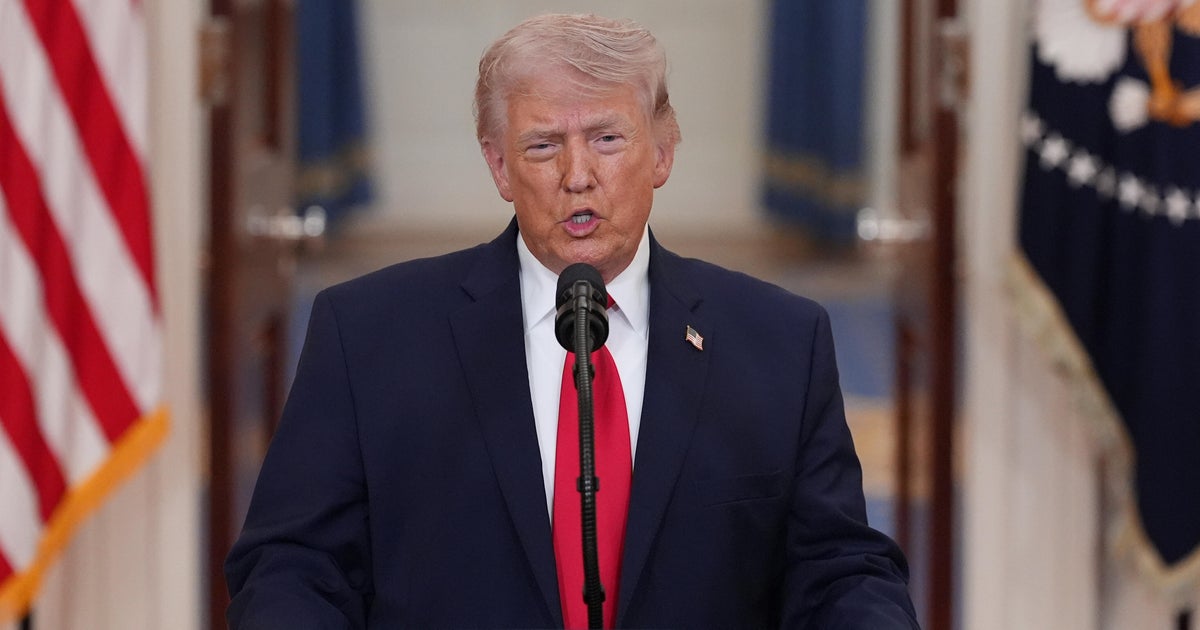
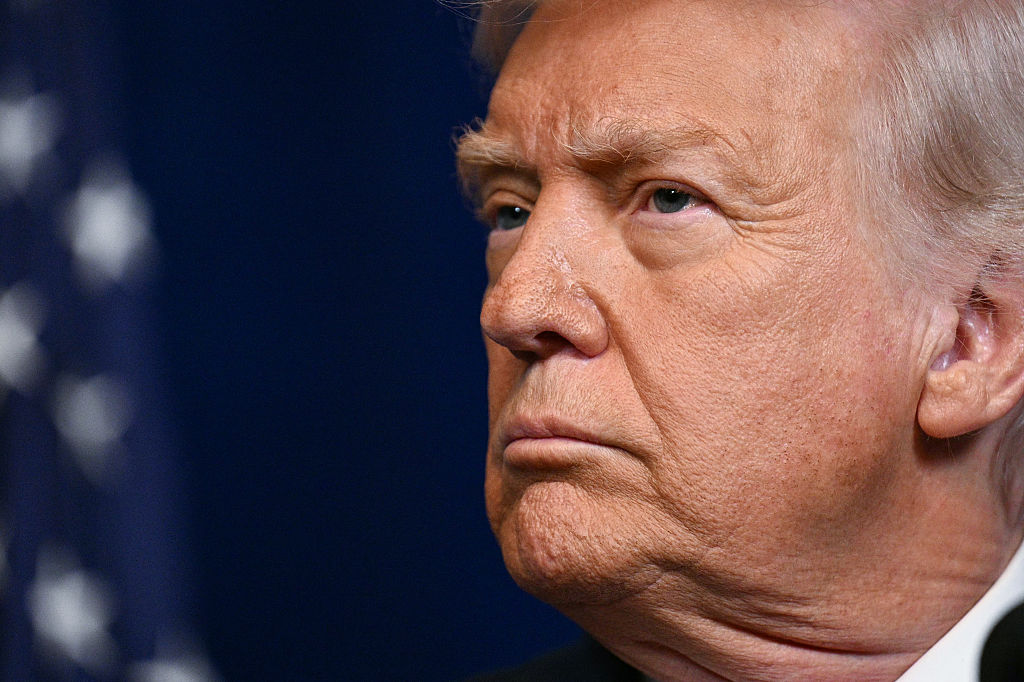
Mr. Trump has said that the United States will respond if demonstrators are killed. He repeated his warning on Friday, telling Iranian leaders not to attack protesters. Secretary of State Marco Rubio said online early Saturday that the "United States supports the brave people of Iran." On Saturday afternoon, Mr. Trump wrote on Truth Social that "Iran is looking at FREEDOM, perhaps like never before. The USA stands ready to help!!!"
"I'm sure that has really scared many Iranian officials and may have affected their actions in terms of how to confront the protestors, but at the same time, it has inspired many protesters to come out because they know that the leader of the world's main superpower is supporting their cause," said Maziar Bahari, the editor of the independent news site Iranwire.
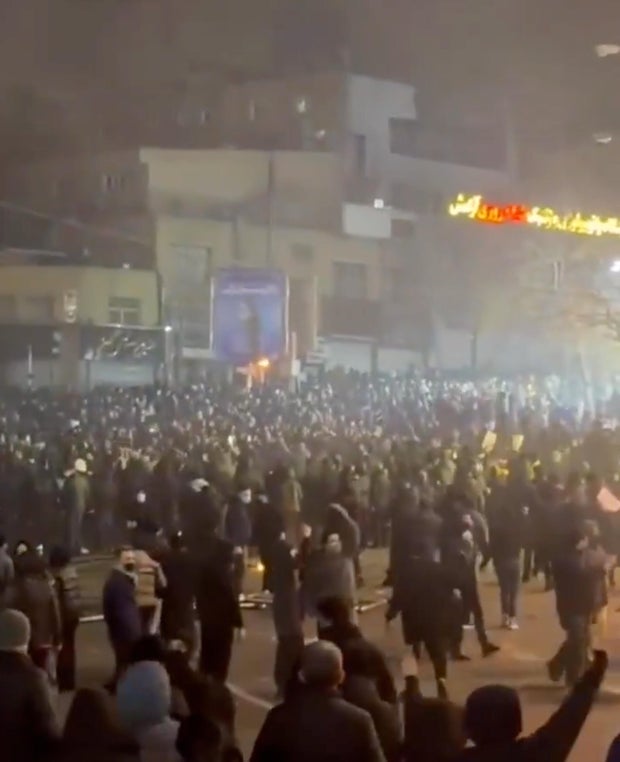
The demonstrations began in Tehran two weeks ago as a response to Iran's crashing currency and failing economy. Holly Dagres, a non-resident senior fellow at the Washington Institute and curator of the Iranist newsletter, said the protests were sparked by the same core issues of "systemic mismanagement, corruption or repression" that led to the uprisings after the death of Mahsa Amini, who was killed by Iran's morality police in 2022.
Since then, they have grown across the country, with thousands filling the streets. Human rights groups say at least 65 people have been killed, while at least two hospitals in Tehran reported being inundated with patients.
State media in Iran called the protesters terrorists, while Supreme Leader Ayatollah Ali Khamenei made a public address on Friday, accusing Iranians of ruining their own streets to please the president of the United States. Officials cut off the country's internet on Thursday, effectively shutting off Iran from the outside world.
Dagris said Internet access was cut "because the Islamic Republic didn't want the international community and fellow Iranians to see what was happening."
"I think there's a real worry that with the internet shutdown, the international community won't pay attention and that the events on the ground will deteriorate," said Dagres, who grew up in Iran.
She said she was not certain Mr. Trump's warnings would deter a crackdown.
"Unfortunately, this is a regime that's been in power for 47 years and it has not changed its behavior, nor will it because the president of the United States makes a threat," Dagres said. "And we're hearing that and seeing that already with what's been playing out ... This is an Islamic Republic that's backed in the corner, and it's lashing out. And that's just what they do best, unfortunately: Brutal crackdowns."
Bahari said that "many people have called what is happening in Iran right now a revolution," but noted that there is no opposition leader to coalesce around.
Reza Pahlavi, the son of the former shah, who was overthrown in January 1979, has been encouraging protesters over social media and saying he is preparing to return to the country, but it's unclear how much support he actually has inside Iran.