Acting AG Blanche asks court to let White House ballroom construction resume after press dinner shooting
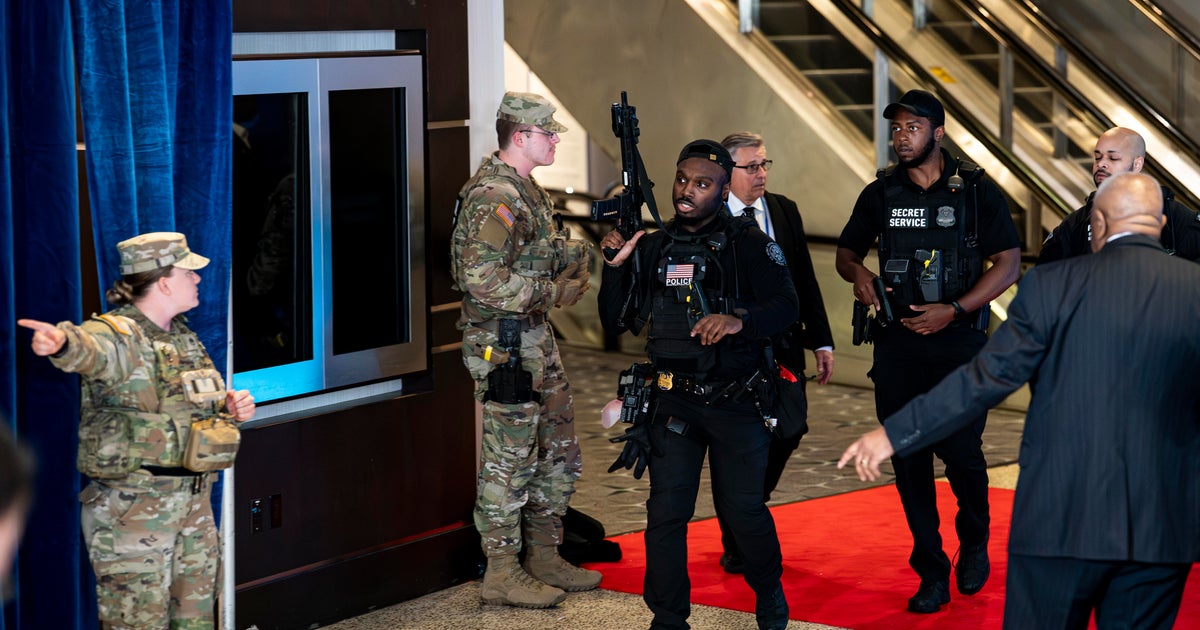
Acting Attorney General Todd Blanche has formally asked a federal judge to overturn the judge's own ruling that blocked construction of the White House ballroom. In a 9-page filing late Monday, Blanche argued that the shooting at the White House Correspondents' Association Dinner is proof that the ballroom is necessary for the president's safety and construction must be allowed to proceed.
Federal Judge Richard Leon imposed a preliminary injunction earlier this month that paused above-ground construction until the administration obtains congressional approval. Construction of a presidential bunker beneath the East Wing was not subject to the injunction.
A federal appellate court now reviewing the case then allowed all construction to continue temporarily and will hear further arguments in early June.
The lawsuit against construction was initially filed late last year by the Trust for Historic Preservation. It said Monday it had no intention of dropping its suit "which endangers no one and which respectfully asks the Administration to follow the law."
Blanche's filing asks Judge Leon for an indicative ruling - essentially a request for Leon to consider the impact of the dinner shooting and state whether he would lift the injunction or throw out the case if it were sent back to him by the appellate court.
Leon has expressed reservations about the project's $400 million private financing arrangement and the lack of congressional input. Republican Rand Paul, chairman of the Senate Homeland Security Committee, said Monday he would introduce legislation to permit ballroom construction.
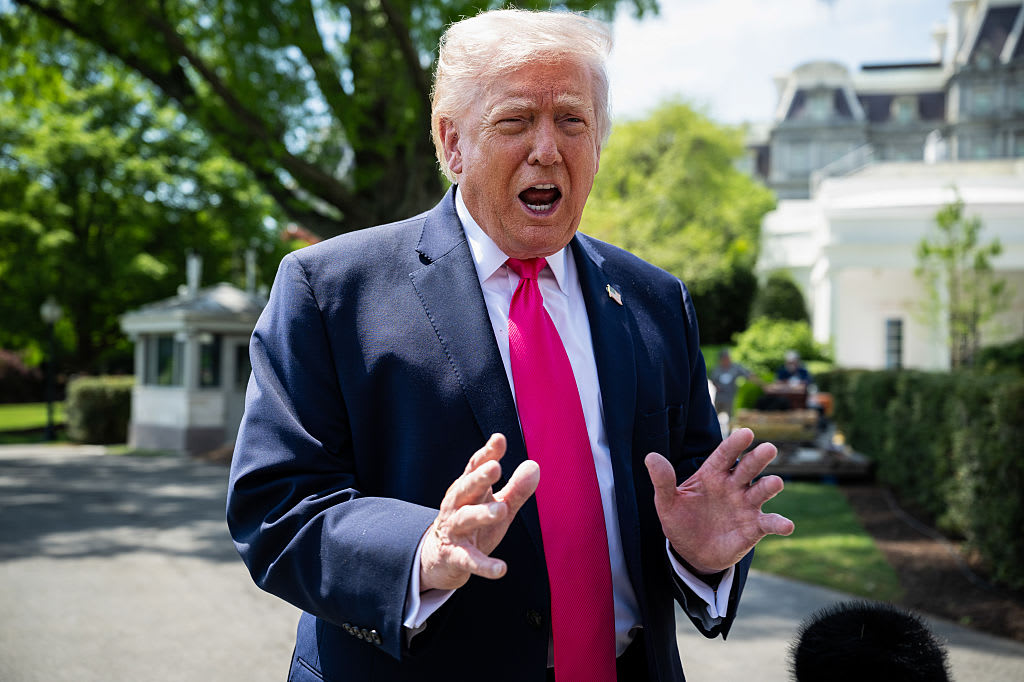
Blanche, whose writing at times mirrors President Trump's social media posts, argues "Saturday's narrow miss [at the dinner] ... confirms what should have already been obvious: Presidents need a secure space for large events, that currently does not exist in Washington, D.C."
Blanche claims Saturday's shooting "could never have taken place in the new facility" and "the Project is required for National Security."
The government's motion is accompanied by a sworn affidavit from Secret Service deputy director Matthew Quinn, who attests to the "security limitations of large off-site venues."
Such events bring members of the public into close proximity of the event, Quinn writes, while the White House "is a controlled facility with a permanent security infrastructure."
Alleged gunman Cole Allen was charged Monday with attempting to assassinate President Trump at the Washington Hilton.
After an attempted assassination of President Ronald Reagan outside the hotel in 1981, the building was retrofitted with security measures to accommodate future presidential visits. Presidents of both parties typically attend events at the Hilton multiple times per year.
In the court filing, Blanche repeatedly attacks the trust on political grounds, saying "they suffer from Trump Derangement Syndrome, commonly referred to as TDS."
"If any other President had the ability, foresight, or talents necessary, to build this ballroom, which will be one of the greatest, safest, and most secure structures of its kind anywhere in the World, there would never have been a lawsuit," the government argues.
The trust did not immediately reply to a request for comment.