Time 100: Interesting but not "most influential"
Commentary by CBSNews.com producer Ken Millstone
It's hard to make heads or tails of Time magazine's "Time 100" list of "the most influential people in the world." Such definitive proclamations move web traffic and (ever-dwindling) newsstand sales, but the list should really just be entitled "100 interesting people."
How else to explain the absence of most of the world's elected leaders? Surely Chinese President Hu Jintao is more influential than erstwhile "Gossip Girl" star Blake Lively. Even Manmohan Singh, the prime minister of tiny, 1.2 billion-person India likely wields more influence than "Tiger Mother" author Amy Chua.
And how else do explain the inclusion of "motormouth" Saif al-Islam Qaddafi but not his father, who has wielded power in Libya for three decades and his holding off both a rebel insurgency and a growing international assault aimed at bringing him down?
We don't know because Time doesn't explain its process or rationale for identifying the most influential people in the world except to say that the list was largely the work of assistant managing editor Radhika Jones and is meant to reflect the "democratization of influence," as evidenced by recent revolutions in the Middle East, according to a short essay by managing editor Richard Stengel.
However, Stengel's professed admiration for the "democratization of influence" doesn't extend as far as actually adopting the list that We the People voted as most influential in Time's reader poll of who should be on the (not democratically-elected!) list. It's true that we chose Korean pop star Rain, Taiwanese musician Jay Chou and Britain's Got Talent/YouTube sensation Susan Boyle -- whose moment in the spotlight I'd thought had long ago passed -- as No. 1, 2 and 3.
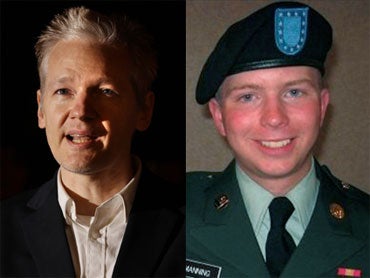
But the masses also voted for Bradley Manning -- No. 9 in the poll -- who as the suspected whistleblower behind a trove of documents released by WikiLeaks, has provided dozens of revelations concerning our country's military and diplomatic conduct and whose abuse has led to questions concerning America's treatment of citizens charged with (but not convicted of) exposing government secrets. Manning was left off the magazine's list, although WikiLeaks publisher Julian Assange was included.
This is all nitpicking, right? Can't Time publish an enlightening list of influential people without some crank complaining about the term "most influential"? Yes and no. The list is supposed to generate this kind of debate, and in so doing it is providing a fine journalistic service. Many of the featured influencers are indeed deserving of being highlighted. Others I hadn't heard of before, but am glad I have now.
Still, just call it "100 interesting people."