Tennessee executes man for 1988 rape and murder of college student Karen Pulley
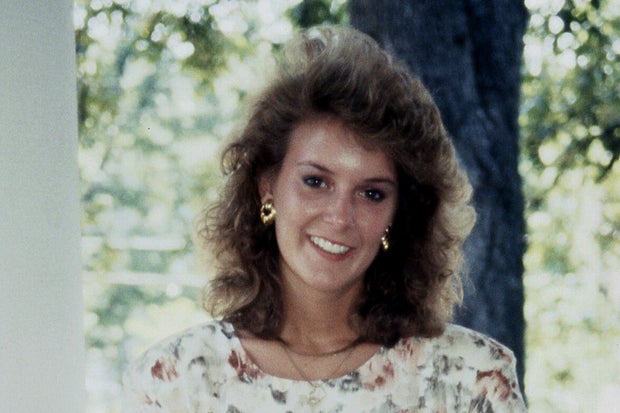
Tennessee executed Harold Wayne Nichols by lethal injection Thursday in Nashville for the 1988 rape and murder of Karen Pulley, a 20-year-old student at Chattanooga State University.
Nichols, 64, had confessed to killing Pulley as well as raping several other women in the Chattanooga area. Although he expressed remorse at trial, he admitted he would have continued his violent behavior had he not been arrested. He was sentenced to death in 1990.
"I'd just get these feelings and I'd do it. I can't describe it or understand it," Nichols said during his trial, according to archived video from CBS affiliate WDEF. As the station reported, Nichols tearfully told the jury: "If I could trade places with Karen Pulley, I would."
"To the people I harmed, I'm sorry," Nichols said in his final statement.
Nichols' attorneys unsuccessfully sought to have his sentence commuted to life in prison, citing the fact that he took responsibility for his crimes and pleaded guilty. His clemency petition stated that "he would be the first person to be executed for a crime he pleaded guilty to since Tennessee re-enacted the death penalty in 1978."
The U.S. Supreme Court declined to issue a stay of the execution on Thursday.
In a recent interview, Pulley's sister, Lisette Monroe, said the wait for Nichols' execution has been "37 years of hell." She described her sister as "gentle, sweet and innocent," and said she hopes that after the execution, she'll be able to focus on the happy memories of Pulley instead of her murder.
Nichols has seen two previous execution dates come and go. The state earlier planned to execute him in August 2020, but Nichols was given a reprieve due to the COVID-19 pandemic. At that time, Nichols had selected to die in the electric chair — a choice allowed in Tennessee for inmates who were convicted of crimes before January 1999.
At the time that Nichols selected electrocution, Tennessee's lethal injection protocol used three different drugs in series. It was a process that inmates' attorneys claimed was riddled with problems. Their concerns were shown to have merit in 2022, when Gov. Bill Lee paused executions and ordered an independent investigation to examine the state's death penalty procedures, WDEF reported at the time.
The review found that none of the drugs prepared for the seven inmates executed in Tennessee since 2018 had been properly tested.
The Tennessee Department of Correction issued a new execution protocol last December that utilizes the single drug pentobarbital. Attorneys for several death row inmates have sued over the new rules as well, but a trial in that case is not scheduled until April. Nichols declined to choose an execution method this time, so his execution was carried out by lethal injection by default.
His attorney, Stephen Ferrell, said in an email that "the Tennessee Department of Correction has not provided enough information about Tennessee's lethal execution protocol for our client to make an informed decision about how the state will end his life."
Nichols' attorneys on Monday won a court ruling granting access to records from two earlier executions using the new method, but the state has not yet released the records and says it will appeal. During Tennessee's last execution in August, Byron Black said in his final moments he was "hurting so bad." The state has offered no explanation for what might have caused the pain.
Many states have had difficulty obtaining lethal injection drugs as anti-death penalty activists have put pressure on drug companies and other suppliers. Between the shortages and legal challenges over botched executions, some states have moved to alternative methods of execution, including firing squads in South Carolina and nitrogen gas in Alabama.
Including Nichols, a total of 45 men have died by court-ordered execution this year in the U.S.
According to the Death Penalty Information Center, Tennessee has 45 inmates on death row, and three people have been granted clemency in the state.