Prosecutors in Minneapolis warn more could resign over handling of fatal shooting cases, sources say

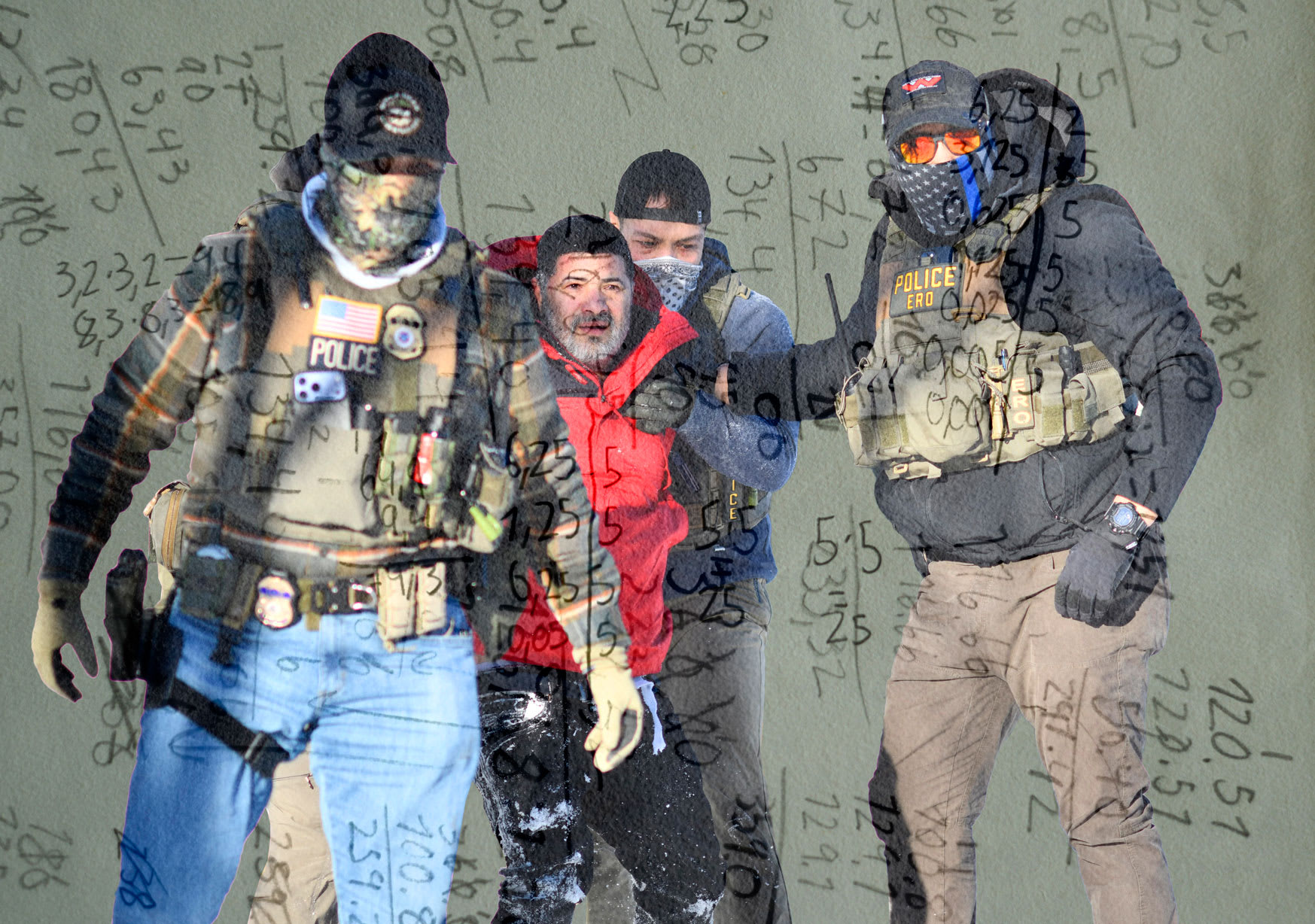
Federal prosecutors in Minneapolis this week questioned the U.S. attorney over the lack of any civil rights investigations into two fatal shootings by immigration agents, and warned that more people could resign in protest if things don't change, multiple sources told CBS News.
In a somber meeting on Monday between Minnesota U.S. Attorney Dan Rosen and assistant U.S. attorneys in the criminal division, prosecutors expressed concern that they were not allowed to investigate the federal officers who shot and killed Renee Good or Alex Pretti, sources familiar with the meeting said.
They also told Rosen they are worried about how President Trump's immigration enforcement surge in Minnesota is being handled by the office, warning that they are facing pressure to rush to file criminal charges against people accused of assaulting federal officers without conducting a formal investigation, and that the intense focus on such cases is interfering with their ability to complete other important work.
A Justice Department spokesperson declined to comment on the meeting, referring only to a memo Attorney General Pam Bondi wrote in February, in which she referred to the department attorneys as the president's lawyers.
"Any attorney who because of their personal political views or judgments declines to sign a brief or appear in court, refuses to advance good-faith arguments on behalf of the Administration, or otherwise delays or impedes the Department's mission will be subject to discipline and potentially termination, consistent with applicable law," Bondi wrote.
The meeting comes as the FBI is asking agents who have experience handling assault on federal officer cases to volunteer to head to Minneapolis, several different sources said. The surge of resources comes after FBI Director Kash Patel claimed in a Jan. 24 post that the FBI had observed "a significant surge of threatening activity on social media, heavily concentrated in Minnesota and tied to escalating anti-law enforcement rhetoric."
An FBI spokesman did not respond to a request for comment.
The FBI, meanwhile, has not launched any investigation into Pretti's death, and is only assisting the Department of Homeland Security's Homeland Security Investigations in a limited capacity. So far, the FBI's involvement has only entailed analyzing Pretti's firearm at one of its forensics labs.
Prosecutors on Monday told Rosen, who has no prosecutorial experience, that when George Floyd was killed by Minneapolis Police officer Derek Chauvin in 2020, the local police department was not allowed to be involved in the state or federal investigations, one of the sources said. They said that it is concerning that DHS is leading the probe into Pretti's shooting by two of its own agents.
They also asked what would happen if they simply opened their own investigation into the matter and issued a few grand jury subpoenas, the source added, noting that they did not get a clear response.
Rosen urged people not to leave, telling them that they're doing important work in the office and that the district needs them. But attorneys are feeling uneasy about the situation, sources said, and worry about their ability to fulfill their duties as prosecutors without compromising their moral and ethical obligations.
Earlier this month, six federal prosecutors in the office resigned amid pressure to investigate the killing of Renee Good as an assault on a federal officer and probe Good's wife, Becca, over any efforts to conspire to impede immigration agents, sources previously told CBS.
Since then, another six assistant U.S. attorneys have also tendered their resignations, sources say. Three of those worked on criminal cases, and the other three were civil litigators who have been grappling with a deluge of requests by attorneys who are petitioning judges to release their immigrant clients from detention facilities.
The head of the squad that handles civil rights cases in the FBI's Minneapolis field office also resigned earlier this month, after sources said she was pressured to reclassify the case from a civil rights investigation to an assault on a federal officer, CBS previously reported.
Justice Department officials are now bracing for the possibility of more resignations in the coming days and weeks, sources say.
The Minneapolis U.S. Attorney's office typically has between 60 and 70 attorneys. Even before the recent surge, it had already lost approximately half of its staff. And many of those who have since resigned were among the most senior in the office.
The Justice Department has already been flying in attorneys from other neighboring Midwestern districts to assist with the load, including the Eastern District of Michigan.
It has also tapped lawyers from the military and from Immigration and Customs Enforcement to be designated as special assistant U.S. attorneys, though most of them lack substantial prosecutorial experience.
The concerns raised by prosecutors in Minneapolis are similar to those expressed by those in the Washington, D.C., U.S. Attorney's Office last summer, when Mr. Trump surged law enforcement resources to address violent crime in the nation's capital.
As part of that effort, the D.C. U.S. attorney ordered prosecutors to charge every case federally when possible — a mandate that backfired as the district saw many criminal complaints get dismissed and grand juries rejecting charges.