"POX: An American History" by Michael Willrich
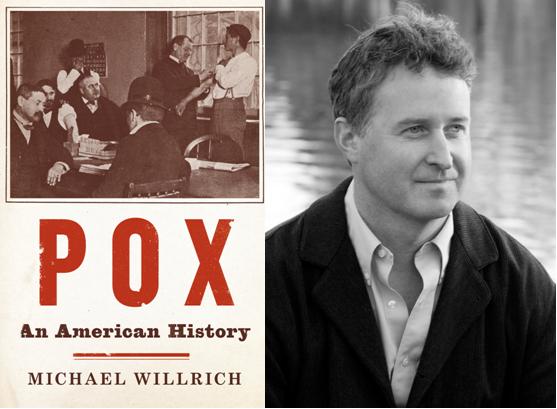
"CBS Early Show" anchor Jeff Glor speaks with Michael Willrich about his book, "POX: An American History."
Jeff Glor: What inspired you to write the book?
Michael Willrich: A combination of historical questions and contemporary concerns inspired this project. I have for many years been deeply interested in the conflict between the dearly held American notions of individual liberty and the pressing collective needs of a modern society. When I began this project back in 2003, the escalating war against terror was raising serious questions about how best to balance national security and civil liberties. Bioterrorism was on everyone's mind, too, and the specific biological threat most discussed in Washington and in the media was smallpox -- the deadliest killer of all time. As I researched the origins of the modern civil liberties movement in the early twentieth century, I discovered that smallpox was hugely important to that history, too. During the great wave of smallpox epidemics that spread across much of the United States at the turn of the century, public health officials mounted an aggressive campaign to get everyone vaccinated, by force in many cases. This clash between modern medicine, state power, and individual rights triggered a full-blown civil liberties struggle, which had an important and enduring impact on American law, politics, and society. I soon realized I had my hands around a great story. I was hooked.
JG: What surprised you the most during the writing process?
MW: I think I was most surprised by the sheer scale of popular resistance to compulsory vaccination. The controversy filled the newspapers, public health reports, medical journals, and records of the courts, but I read almost nothing about it in history books. Today's vaccine wars simply pale in comparison to the vaccination battle that took place in the United States a little over a century ago. Today, government vaccination rules apply mostly to young children and so the opposition comes mostly from parents -- including many who have sadly bought into the myth that vaccines cause autism. (There is no credible scientific evidence for that claim.) But at the turn of the twentieth century, the smallpox vaccine carried significant risks. Even as the government compelled people of all ages to get vaccinated, particularly working-class people, immigrants, and African Americans, the government did virtually nothing to ensure that the vaccines on the market were safe and effective. So there was widespread opposition, including an organized antivaccination movement, antivaccination riots in working class communities, boycotts of the public schools, and a mass of lawsuits.
JG: What would you be doing if you weren't a writer?
MW: The only other careers I've ever considered are public service and music.
JG: What else are you reading right now?
MW: I've just finished reading Michael Klarman's magnificent book, "Brown v. Board of Education and the Civil Rights Movement". It examines the powerful political backlash triggered by the Supreme Court's decision to desegregate America's public schools.
JG: What's next for you?
MW: I'm finishing up a great year of teaching at Brandeis and am looking forward to spending my summer hunting around for a new story to tell in my next book project.
For more on Michael Willrich, visit the Penguin Group website.