Japan nuke workers putting personal health aside
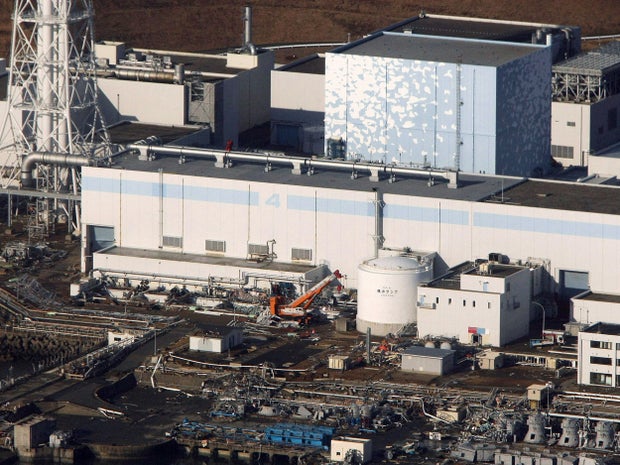
Perhaps lost amid the death tolls, survival stories and fears about a large-scale nuclear disaster that dominate the coverage of the Japanese earthquake, dozens of workers are braving serious health risks to bring the country's persistent nuclear crisis under control.
Officials at the Tokyo Electric Power Co. said 70 workers were at the Fukushima nuclear complex, dealing with a range of problems. They are wearing protective gear and are being rotated in and out of danger zones to limit exposure to the harmful radiation, reports the Associated Press.
But while the radiation levels in the surrounding areas don't yet pose a short-term health risk to the 140,000 residents within the 12-to-19-mile radius of the reactors (despite a government order for them to stay indoors) not much is known about the radiation levels in the plants themselves.
Special report: Disaster in Japan
Nuclear meltdowns explained
How Fukushima explosions differ from Chernobyl
"These people are the heroes of the hour," Cham Dallas, director of the Institute for Health Management and Mass Destruction Defense at the University of Georgia, told CBSNews.com, noting that the control room workers might be exposed to much higher radiation that the readings farther afield (although the control rooms are designed to block out radiation and may also be quite safe).
Dallas said that a friend who works in Japanese emergency operations is in contact with one of the control room workers.
"He says he is ready to die if necessary. He's willing to die if he has to stay in there. It's his job is what he said," Dallas said, recounting what he was told about an email message between the two.
Even if the radiation levels don't pose an immediate health danger, prolonged exposure could increase long-term health risks.
James Acton, an associate in the Nuclear Policy Program at the Carnegie Endowment and a Stanton Nuclear Security Fellow, also noted the danger posed to the workers during an appearance on "The Early Show" Tuesday.
"It's worth emphasizing that, in these kinds of nuclear accidents, the heroes of this crisis are the people who decide to stay in the plant at very significant personal risk to themselves in an effort to prevent a much larger tragedy. ... There can be no doubt whatsoever about the personal danger they are in."
