Iran leans into anti-Western bluster as it tries to quell increasingly deadly protests
Iran's leaders faced another day of intense protests on Wednesday, with the death toll climbing close to 40 according to a U.S.-based monitoring group founded by anti-regime activists. As violent demonstrations popped up in more cities and towns across the Islamic Republic, the regime took a familiar stance, leaning into anti-Western rhetoric, ignoring the reports of dozens of civilians being killed, and offering economic aid to residents in a bid to quell the unrest that started as protests over inflation and the cost of living.
As they grapple for ways to end the street protests — under the threat of U.S. intervention by President Trump — Iranian authorities said a man was executed by hanging after being convicted of spying for Israel's Mossad intelligence agency, according to the country's state-run IRNA news agency.
Ali Ardestani was convicted of providing Israeli intelligence "with images and photos of specific locations and information on target subjects, and received amounts in the form of digital currency at the end of each mission," IRNA said. Iranian authorities hold trials behind closed doors, and no evidence against Ardestani was made public. Iran executed more than 1,000 people last year— the highest number of executions in the country since 1989, according to Amnesty International.
The latest execution came as Iran's hardline Islamic rulers face the most significant domestic unrest seen in the country in several years. Nationwide protests against the autocratic regime entered their 12th day on Thursday.

The U.S.-based Human Rights Activists News Agency (HRANA), set up by Iranian human rights activists and reliant on a network of contacts still in the country, said Wednesday that at least 38 people had been killed since the protests began, including four security forces.
The protests started as business owners in Tehran vented frustration over spiraling inflation and the cost of basic goods. Iran's economy has been crippled by U.S. and international sanctions for years, but the demonstrations escalated quickly into the widest protests seen in the country since 2022, following the death of a young woman in police custody after she was detained for an alleged dress code violation.
Trump's warning lingers as Iran tries to quell protests
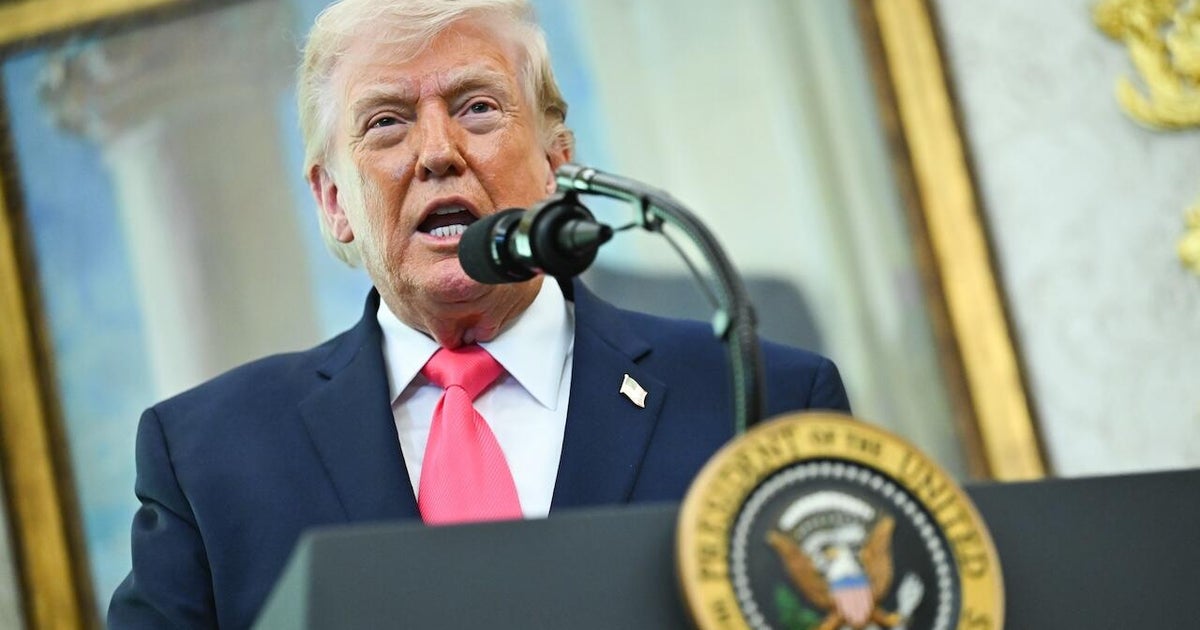
On Sunday, President Trump told reporters aboard Air Force One that the U.S. could hit Iran "very hard" if protesters are not protected. "We're watching it very closely," Mr. Trump said. He'd said two days earlier that if Iran "violently kills protesters," the U.S. would "come to their rescue."
So far, there's been no overt sign of the U.S. following through on these threats, even as the reported death toll from the protests climbs, and no further comment from the White House about what actions by the Iranian regime might actually trigger a response.
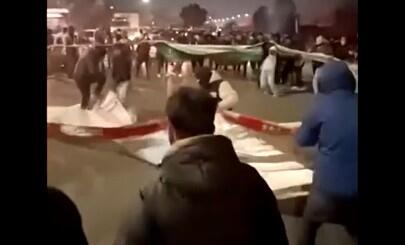
In an effort to quell the internal pressure, Iran's government announced economic measures over the weekend to help Iranian citizens make ends meet, and state media said Wednesday that President Mahsoud Pezeshkian had ordered security forces not to attack peaceful demonstrators.
Iran offers food aid in a bid to calm the streets
Government spokesperson Fatemeh Mohajerani said the new assistance measures, among other things, would triple national subsidies for regular households to buy basic goods, according to the state-controlled Mehr News Agency.
The primary benefit, expected to begin Wednesday, would effectively triple the amount Iranians are given by the government to buy basic food items, adding the equivalent of about $7 more per month on top of existing subsidies for food, based on current exchange rates.
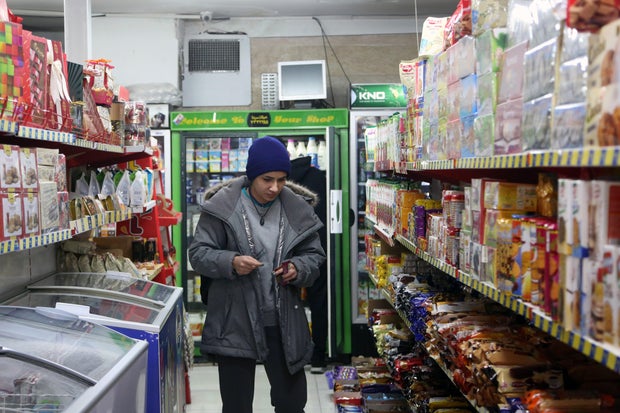
One Iranian told CBS News on Wednesday that the subsidy increase wouldn't be enough.
"If two people in a family want to have eggs, bread, and cheese for their breakfast, the subsidy is spent on the first day," said the Tehran resident, who declined to be named.
New Iran army chief hurls new threats at the West
As it often does during moments of domestic unrest, Tehran has continued to take a hard line, publicly, against its two biggest adversaries, Israel and the U.S.
In a statement Wednesday, addressing students at Iran's Army Command and Staff University in Tehran, Iran's new overall army commander Major General Amir Hatami threatened to "cut off the hand of any aggressor."
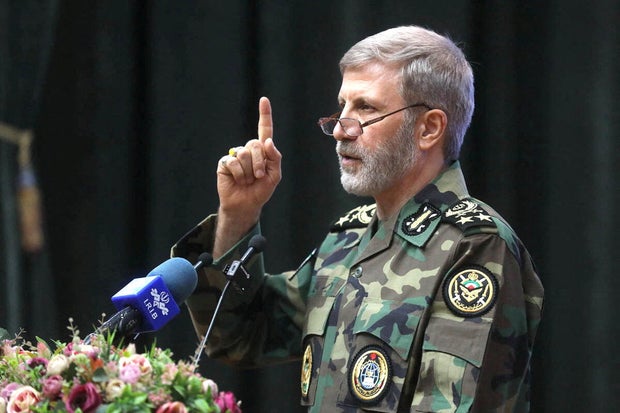
"Islamic Iran considers the intensification of the enemies' rhetoric against the Iranian nation as a threat and will not leave its continuation unanswered," Hatami said, according to The Associated Press.