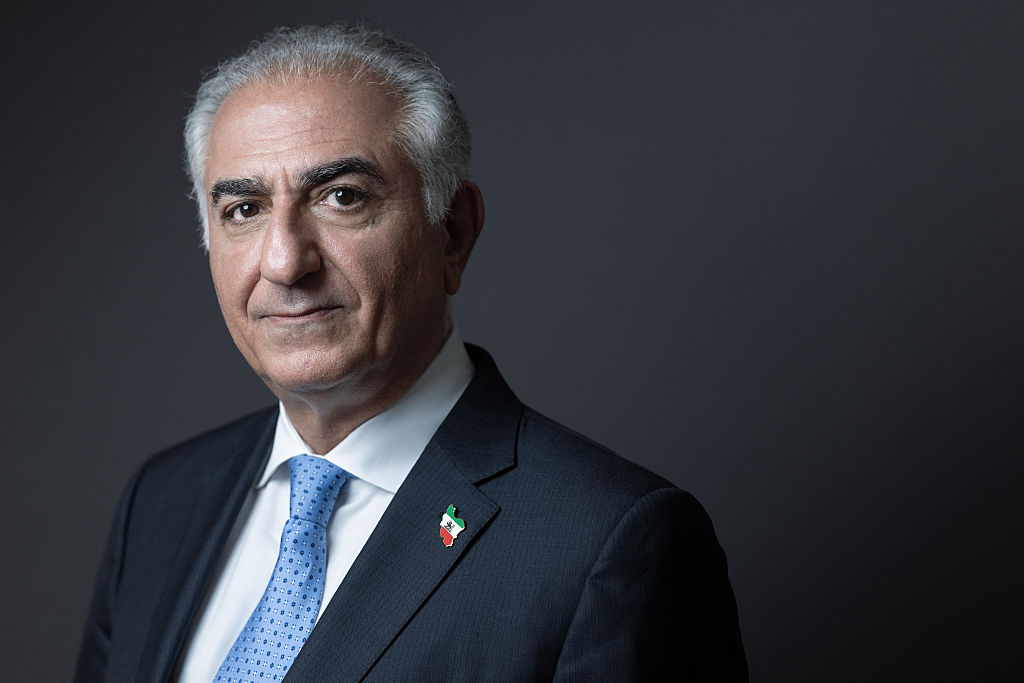
Iran's exiled Crown Prince Reza Pahlavi urges Trump to "intervene sooner" so regime "finally collapses"
Washington — Reza Pahlavi, Iran's exiled crown prince, called on President Trump to take action against the Iranian regime sooner rather than later, as protesters in his homeland take to the streets despite a deadly crackdown.
In an interview with CBS News' Norah O'Donnell on Monday, Pahlavi said, "We need action to be taken."
"The best way to ensure that there will be less people killed in Iran is to intervene sooner, so this regime finally collapses and puts an end to all the problems that we are facing," he said.
Pahlavi has lived in exile since his father, the last shah of Iran, was overthrown in the 1979 Islamic Revolution that brought the current clerical regime to power.
He said he has communicated with the Trump administration, but did not disclose details from their conversations.
He also said the Islamic Republic's recent outreach to the administration is a ploy to try to extinguish the nationwide protests that threaten the rule of Supreme Leader Ayatollah Ali Khamenei.
Mr. Trump told reporters Sunday night that he spoke with Iranian leaders on Saturday, saying that they "called to negotiate" as he threatens military action against the regime. Mr. Trump said he was still considering his options after appearing to draw a red line on Friday when he warned that the U.S. would get involved if the regime started "killing people like they have in the past."
"We'll be hitting them very hard where it hurts," Mr. Trump said Friday. "And that doesn't mean boots on the ground, but it means hitting them very, very hard where it hurts."
White House press secretary Karoline Leavitt said Monday that all options remain on the table, including airstrikes.
Pahlavi said Mr. Trump's red lines have already been crossed by the regime, which is now "trying to trick" the world into thinking it's ready to negotiate a way out of the unrest.
"The game-changer would be for this regime to know that they cannot rely anymore on a continued campaign of repression without the world reacting to it," he said.
When asked whether he was pushing Mr. Trump to initiate regime change, Pahlavi said that the president stands in solidarity with the Iranian people, which means "ultimately supporting them in their ask."
"And their ask is that this regime has to go," he said.
Pahlavi on whether he bears some responsibility for protesters' deaths
According to U.S.-based Human Rights Activists News Agency, more than 500 people have been killed and the number of arrests exceeds 10,000 as the protests stretch into their third week.
When asked whether it's responsible to send Iranians to their deaths by encouraging them to take to the streets as the regime wages a violent crackdown, Pahlavi didn't answer directly, but said: "This is a war and war has casualties."
"In order to preserve and protect and minimize the death toll, minimize innocent victims yet again be killed by this regime, action is needed," he said.
Pahlavi, who has tried to position himself as a transitional leader of Iran, characterized himself as Iranians' voice in the outside world. He has claimed that chants of his name during the protests demonstrate the legitimacy of the role he could play, though it's unclear how much support he actually has inside the country.
"Why is it that I offer my service to Iran? I'm answering their call," he said. "I'm a bridge and not the destination at this point."
Pahlavi hasn't set foot in Iran in nearly 50 years. But asked if he was willing to die for the cause, he said yes, and pointed to the fearlessness of those on the front lines of the protests.
"How could I not possibly be prepared to die for them? To die for liberty, to die for saving our nation? I'm prepared to do that," he said.
On what makes current protests different
Pahlavi also spoke about how the current protests, which were sparked last month by the collapse of the country's currency, are different from past uprisings.
"Today, the ask is not just for reform, or for that matter, an economic demand. It is now putting an end to this regime. This is really the revolution in its true sense of the world," he said.
Another factor is Mr. Trump being in the White House, he said. (Mr. Trump was also president during protests in Iran in 2018 and 2019, which did not result in regime change.)
"Unlike some predecessors to the current president of the United States, he's a man that means what he says and says what he means," Pahlavi said.