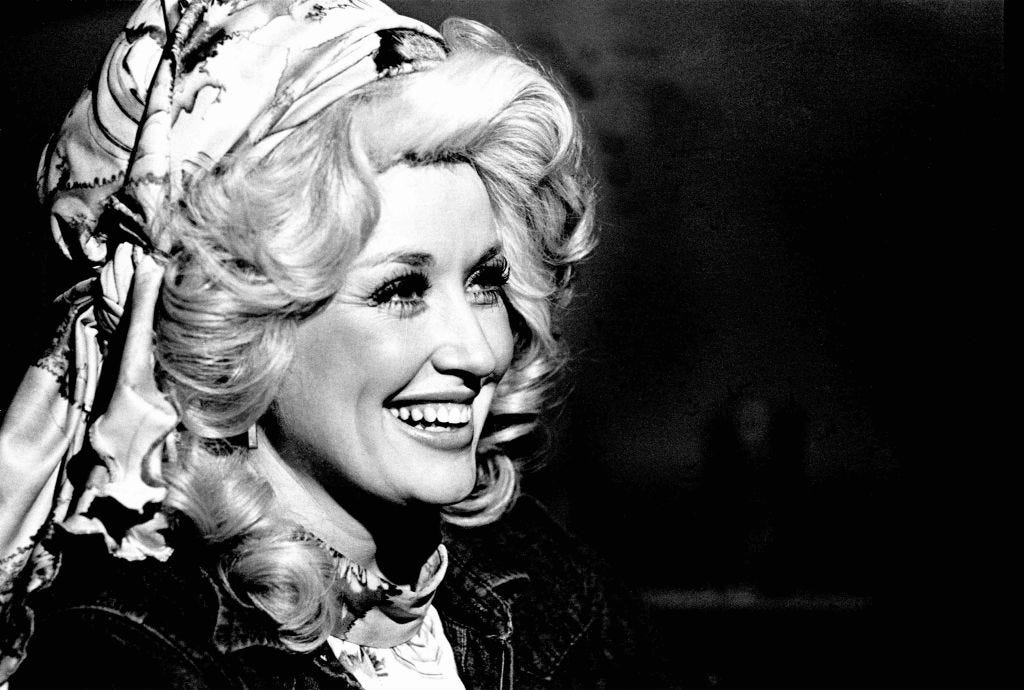
Dolly Parton's estate moves to dismiss lawsuit against nephew
The estate of the late country music icon Dolly Parton has filed to dismiss its lawsuit against her nephew and former head of security, Bryan Seaver, following accusations he threatened to commit acts of violence and destroy Parton's brand.
The details of the resolution were not immediately known.
"Mr. Seaver is grateful to put this misunderstanding behind him so that the entire family can continue to grieve peacefully and ensure that the bright light of Dolly's legacy remains completely untouched," attorneys for Seaver told CBS News in a statement.
Attorneys for Parton's estate did not respond to a request for comment.
Seaver, who heads the private security firm Squadron Augmented Protection Services, had been tasked with announcing Parton's death in August. But in September, Seaver and SAPS were fired by She's Alive, which manages Parton's estate and business interests. Parton's longtime manager, Danny Nozell, who runs She's Alive, then filed for a restraining order against Seaver and SAPS.
Parton died of cancer at the age of 80. Seaver rose to national prominence when he announced Parton's death in a prerecorded video, in which he said it was "something Dolly asked of me years ago, before I fully absorbed it as a future reality."
She's Alive, or SAL, had alleged in its request for a restraining order that Seaver "made repeated, written threats to Ms. Parton's staff, partners, legal and business advisors, and others" and that he "sought to extract money from SAL and trusts through an obscene, deliberate, and escalating campaign of threats."
In one instance prior to Parton's death, SAL alleged that Seaver threatened to "destroy the entire brand" over a disagreement involving Dollywood, the theme park and resort opened by Parton in 1986. The lawsuit also alleged that Seaver repeatedly referenced his security business, which it described as a "heavily armed, paramilitary-style force capable of projecting threat and coercion against SAL's personnel and business partners."
Seaver made many of these alleged threats via text, according to the lawsuit.
Seaver, in a response to SAL's request to extend its restraining order last month, denied "each and every allegation." He said he and Nozell had been close friends for many years and that, until his firing, the two had never had an argument "apart from a minor disagreement years ago over a company logo."
While he admitted to using coarse and blunt language, he denied threatening anybody, including Parton or her estate's business partners, saying the text messages were "private messages" between himself and Nozell.
"They were sent in the course of private conversations between two friends who were both frustrated, grieving, and discussing strategy following Ms. Parton's illness and death," the court filing states.
He insisted the messages about the Dollywood disagreement were not threats of violence but that he was "privately warning" Nozell that he thought certain associates were "harming [Parton's] brand and imploring him to help."
Seaver also said in his response that Nozell didn't respond to the various texts cited in the lawsuit with any sort of pushback or alarm. In fact, Seaver claimed Nozell urged him to publicly play up his military and security history before trying to use those ties as evidence that Seaver was dangerous and threatening.
"I have declined to speak with the media about this case and have asked my attorneys to handle all media communications," Seaver wrote at the end of his affidavit. "I care about Ms. Parton, her music, her legacy, and her family. I do not want this dispute to harm her legacy."