A mom pushed for a toy regulation after her baby died. It hasn't moved forward. Ex-officials now have a warning.

The Consumer Product Safety Commission, which is the U.S. agency that works to promote the safety of consumer products, has lost key leadership and staff over the last year. Among them are two former commissioners who say consumers are paying the price for the cuts at the agency.
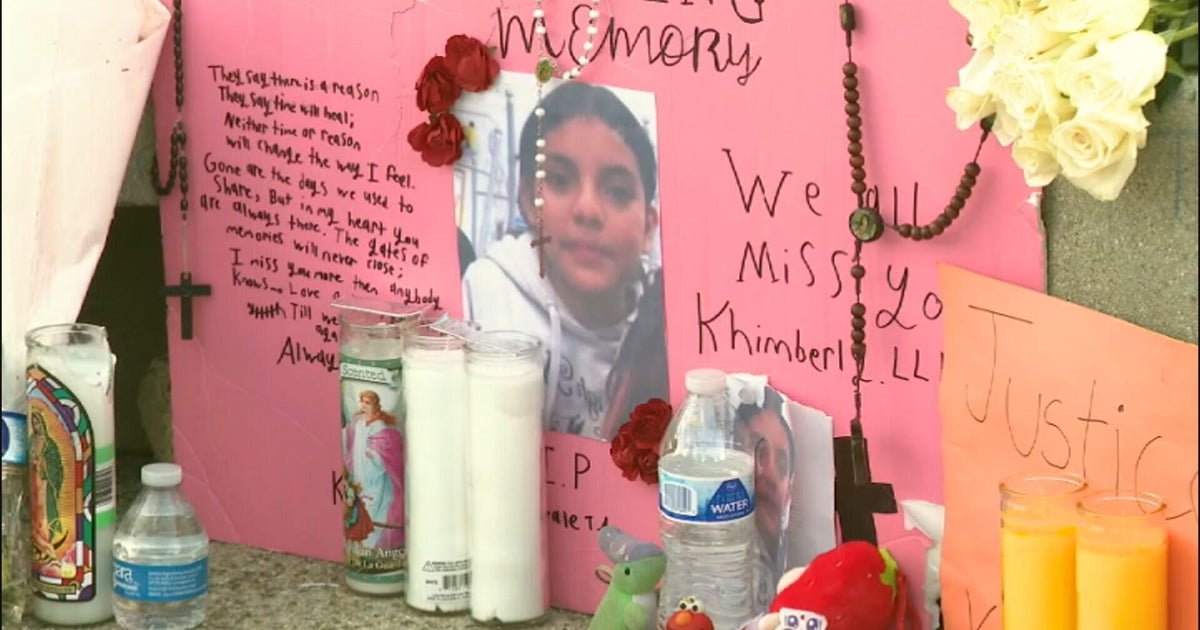
For Trista Hamsmith, the safety risks posed by some products are personal. In December 2020, her 18-month-old daughter Reese died after swallowing a button battery she accessed from a remote two months earlier.
The batteries are tiny, coin-sized and deadly when ingested. It burned through Reese's esophagus and after months of surgeries, doctors couldn't save her.
"I prayed and I prayed, but we didn't get her back. I got to hold her again, but she was gone," Hamsmith said, recalling the moment. "She was a baby and her life was taken too soon."
Push for better safety protections
Hamsmith turned her grief into action. She launched a nonprofit and helped pass "Reese's Law" in 2022, making button batteries harder for kids to access.
But the law didn't cover toys.
Her next push was to get the Consumer Product Safety Commission, or CPSC, to apply those same standards to toys.
The initiative stalled this past summer, after President Trump removed three democratic commissioners and reduced the five-member commission to just two, including the May ouster of former commissioner Richard Trumka.
Trumka blames current leadership at the agency for the holdup.
"This rule would have simply made toys, the thing that we intentionally put in our children's hand, as safe as everything else they get their hands on," Trumka said. "It's as common sense as you could possibly get and somehow it's not moving forward."
He said it doesn't make sense.
"We have a solution to that that's just completely fallen aside because industry said we don't want it and the current leadership of the agency capitulated to that," he said.
Hamsmith said for parents like her, it's more than a bureaucratic stalemate.
"On a level like mine, a story like Reese's, why this agency is so important, it's important for child safety. It's important for the safety of the American people," she said.
CPSC commissioner and staffing cuts
Trumka alleges that in May, the Trump administration illegally removed him and fellow Democratic commissioners Alex Hoehn-Saric and Mary Boyle, and cut critical agency staff.
He also claims more than a dozen other proposed safety rules have stalled since then.
"People will be injured and people will die as a result of inaction from CPSC," Trumka said.
The CPSC was created by Congress as an independent agency with five bipartisan commissioners, meant to be free of political pressure.
"CPSC is a health and safety organization," said former CPSC chair Hoehn-Saric. "You want organizations like that to be focused on the facts and focused on the science because we're trying to keep people from dying. You don't want politics to come into those decisions."
The ousted commissioners allege their removal was a violation of the law and are fighting in court to be reinstated.
CPSC maintains stance on firings, safety regulations
In a statement, the CPSC maintains the president's firing of the three commissioners was done lawfully and "has had no impact on the CPSC's mission to protect American families from unsafe products."
But in September, the agency was down to one commissioner after Republican Dougg Dziak resigned.
With a single commissioner, Trumka said protections can't be passed.
"We have quorum requirements that to pass a rule, you need two commissioners. They have one," he said. "It shows they have no intent to pass new rules to protect the public against problems that are coming up."
The CPSC denied they are hindered and said rulemaking and enforcement is ongoing.
When asked about the stalled battery rule, the CPSC said it "...measures success based on how many unsafe products it keeps out of the hands of American consumers, not the number of regulations it enacts."
The Toy Association, a trade association for the toy industry, told CBS News that while it is not resistant to stricter rules around button batteries, current science, it argues, hasn't shown flaws in the current standards or that new proposals would make it any safer.