CPI report shows inflation cooled in January, with prices rising at a 2.4% annual pace
The Consumer Price Index rose 2.4% in January from a year ago, below economists' forecasts and a sign that price pressures across the U.S. are easing.
By the numbers
The CPI was expected to rise 2.5% on an annual basis last month, according to economists polled by financial data firm FactSet. The January CPI represents the slowest pace of inflation since May 2025 and is down from December's 2.7% annual rate.
"The fact that price pressures in January were contained is notable given the usual upward pressure from annual price resets and seasonal effects – factors that have tended to push January inflation prints higher in recent years," Lydia Boussour, senior economist at EY-Parthenon, said in a report.

The CPI tracks the changes in a basket of goods and services typically bought by consumers, such as food and apparel. The January inflation reading was delayed due to the partial government shutdown that ended earlier this month.
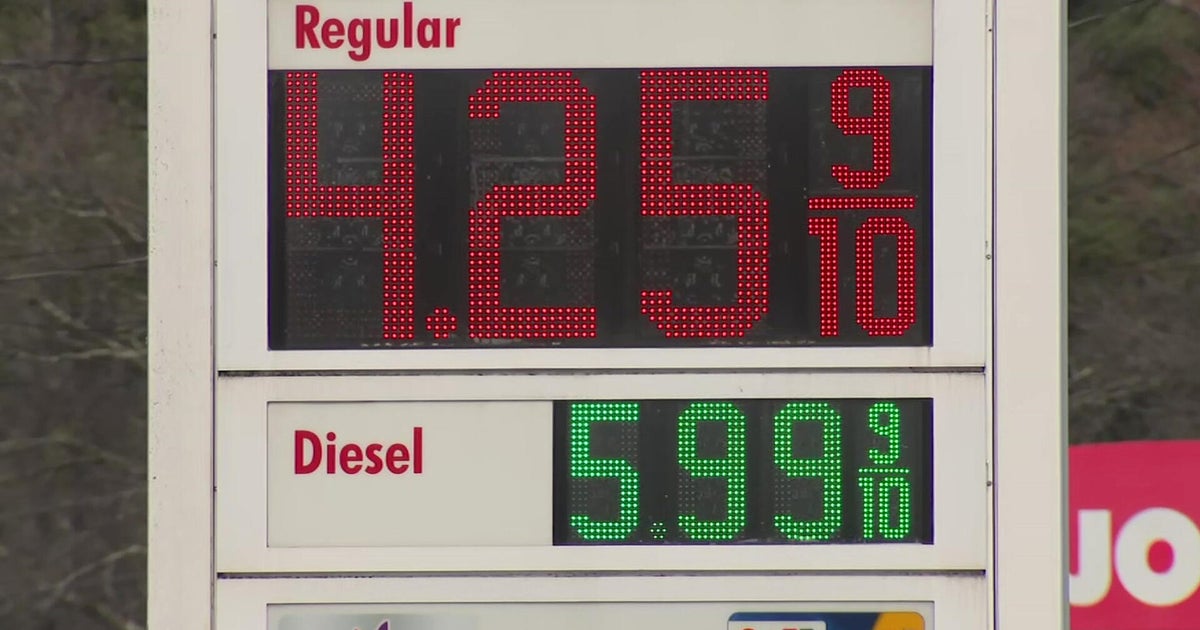
Food and shelter costs climbed at a faster pace than the overall January CPI rate, but were partially offset by a 7.5% annual decline in gasoline prices.
Foods like ground beef and coffee remain a sore spot, rising 17.2% and 18.3%, respectively. By contrast, egg prices — which soared during the pandemic as the avian flu decimated poultry flocks — continue to ease and are down more than 34% from a year ago.
So-called core inflation — which excludes volatile food and energy prices — rose 2.5% over the past 12 months, the lowest level since March 2021.
The news on inflation isn't uniformly positive. Although the January CPI numbers clearly show that core inflation is fading, the Federal Reserve's preferred inflation gauge — Personal Consumption Expenditures, another measure of consumer spending — remains stuck at nearly 3%, well above the central bank's 2% annual target.
Cost of living remains an issue
A decline in price pressures will provide relief to many consumers, who report feeling weighed down by the rising cost of living.
Recent CBS News polling shows millions of Americans still feel under the gun financially, struggling to afford essential goods like shelter and utilities. People with money invested in the stock market, which has increased 12% over the last year, tend to have a more favorable view of their finances.
Consumers' perception of inflation is more likely to be influenced by the prices they encounter on store shelves or their monthly bills, which are distinct from the rate of change in prices that the CPI measures.
"I think that it's going to take, unfortunately, a number of years for wages to continue to grow and outpace inflation to the point where people feel again like they have the breathing room that they remember from a few years ago," said Stephen Kates, a financial analyst for Bankrate, before Friday's CPI release.
The Trump administration's tariffs, which research shows were largely passed onto customers in the form of higher prices, have had a weaker impact on inflation than initially feared, as evidenced by the economy's strong performance in 2025.
Remaining price pressures are likely to come from people having more money in their pockets due to tax refunds, lower interest rates and an increase in business investment, according to Kates.
"Those are things that could be keeping inflation sticky more so than the tariffs, simply because a lot of that has already been phased in," he said.
What the CPI data means for interest rates
Although inflation is loosening its grip on consumers, experts think the Fed is likely to hold off on cutting interest rates in the short-term to minimize the risk of spurring excessively strong economic growth.
"With core inflation at an almost four‑year low and the Fed's 2% target finally within reach, this is a reassuring print for markets," Seema Shah, chief global strategist at Principal Asset Management, said in an email. "For the Fed, however, it still falls short of justifying near‑term rate cuts."
Recent data point to solid economic growth, reducing the need for a Fed cut. The nation's gross domestic product expanded at a robust 4.3% annual pace in the third quarter, the strongest growth in two years.
The job market also remains healthy, with employers adding a stronger-than-expected 130,000 jobs in January, according to employment figures released earlier this week.
Wall Street analyst Adam Crisafulli, head of Vital Knowledge, said in a research note Friday that he expects the Fed to next cut interest rates at its meeting in June.