How much does a $500,000 mortgage cost each month after the December Fed rate cut?
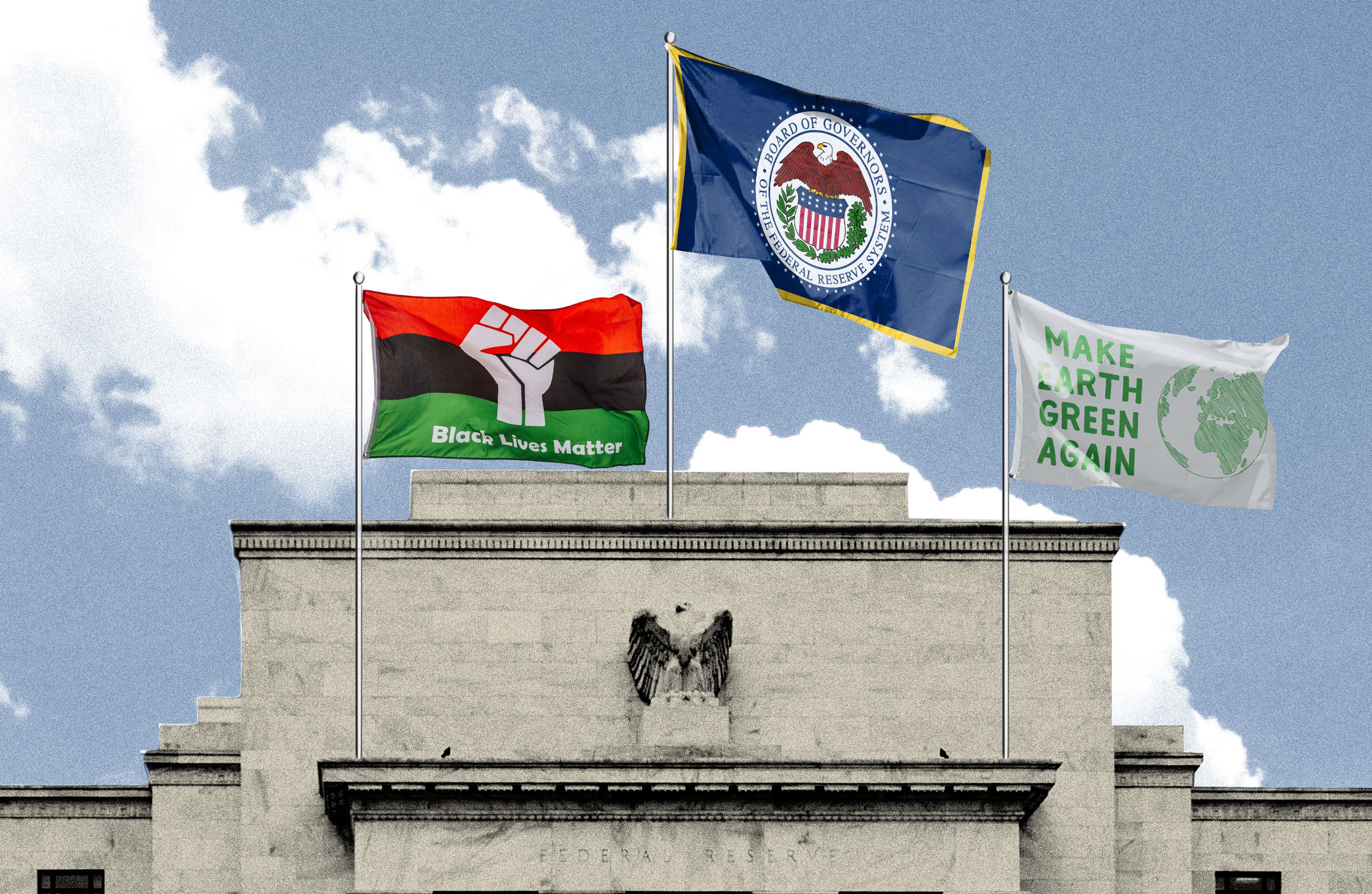
The Federal Reserve closed out the year with a highly anticipated December rate cut — its third official cut of the year — pushing the federal funds rate to its lowest level since 2022. While that benchmark rate, which now sits in the range of 3.50% to 3.75%, doesn't directly dictate mortgage pricing, it sets the tone for borrowing costs across the economy. Case in point? Just before the October Fed rate announcement, mortgage rates touched three-year lows, albeit briefly, as lenders priced in the anticipated rate cut.
And, mortgage markets have been recalibrating quickly in response to the latest Fed rate cut, too. Average 30-year mortgage loan rates have now slipped closer to the 6% range, down sharply from the 7%-plus rate peaks seen earlier in the year. That shift has been meaningful for homebuyers who have spent most of the year wrestling with higher-than-average mortgage loan borrowing costs. After all, even a modest rate drop can translate into hundreds of dollars in monthly savings on a mid to large mortgage loan.
But if you're planning to borrow $500,000, a common loan amount in many competitive markets, you need to know how the latest Fed rate cut could impact your mortgage payments. So, how much would the monthly payments be on a loan that size now that the Fed has issued its third rate cut of 2025? That's what we'll examine below.
Find out how affordable your mortgage loan could be today.
How much does a $500,000 mortgage cost each month after the December Fed rate cut?
Today's average mortgage rates sit at 6.00% for a 30-year fixed mortgage and 5.50% for a 15-year fixed mortgage. These rates represent substantial improvement from where they stood at the start of the year, when 30-year mortgages averaged 7.04% and 15-year loans hit 6.27%. For a $500,000 loan amount, the monthly principal and interest payment difference is considerable. At today's rates, here's what you'd pay each month:
- 30-year mortgage at 6.00%: Your monthly payments would be $2,997.75.
- 15-year mortgage at 5.50%: Your monthly payments would be $4,085.42.
Now let's compare those figures to what borrowers faced back in January 2025, when rates were significantly higher. At the start of the year, monthly payments on that same $500,000 mortgage would have looked like this:
- 30-year mortgage at 7.04%: Your monthly payments would have been $3,339.96.
- 15-year mortgage at 6.27%: Your monthly payments would have been $4,292.57.
That's a savings of more than $342 per month, or over $4,106 annually, on a 30-year mortgage simply by locking in today's lower rates compared to January. Borrowers opting for 15-year mortgages save about $207 each month, which adds up to nearly $2,486 per year.
But today's environment looks notably friendlier, even compared to last summer's rates. In August 2024, when the 30-year mortgage rate averaged 6.53% and the 15-year rate sat at 5.92%, the monthly payments would have been:
- 30-year mortgage at 6.53%: Your monthly payments would have been $3,170.21.
- 15-year mortgage at 5.92%: Your monthly payments would have been $4,197.70.
Today's borrowers save about $172 per month compared to last August's rates on a 30-year loan, which translates to roughly $2,069 annually. On a 15-year mortgage, the savings come to about $112 monthly or approximately $1,347 per year. While not as dramatic as the drop from earlier this year, these reductions still free up meaningful cash flow for homeowners managing monthly expenses.
Compare today's top mortgage loan options online now.
What are the chances of another Fed rate cut in 2026?
The outlook for further rate cuts is a bit murky following the Fed's December meeting. Right now, the Fed is widely expected to conduct just one additional rate cut in 2026. However, there's no guarantee that even that single cut will materialize, and there are still a lot of questions about where the economy could be headed next year.
Federal Reserve Chair Jerome Powell emphasized in his opening remarks during this week's meeting that the Fed is now in "wait and see" mode, noting that the cumulative 75 basis points of cuts delivered since September have brought rates close to neutral. Between inflation still running well above the Fed's 2% target and the lack of recent economic data due to the government shutdown, the central bank faces competing pressures from both sides of its dual mandate.
Much depends on inflation's path, though. If price pressures ease and are sustainably near the Fed's 2% target, the central bank may consider additional cuts in 2026 to stimulate borrowing and support the labor market. But if inflation plateaus or climbs, policymakers could pause or even raise rates again, particularly if the economy shows signs of overheating.
There's also some political uncertainty around Fed leadership. Chair Powell's term ends in May 2026. How the Fed navigates this transition, and whether a new chair shifts policy direction, could significantly impact the timing and scale of any future rate reductions.
The bottom line
A $500,000 mortgage can place substantial weight on any budget, but today's rates make that monthly obligation considerably more manageable than it would have been earlier in 2025. Borrowers locking in rates now can expect to save significant amounts each month compared to the higher-rate environment that dominated the first half of the year. However, whether we'll see additional rate cuts in 2026 remains an open question, with Fed officials signaling caution. So, for homebuyers who've been waiting for the right moment to enter the market, the current rate environment offers a tangible improvement, even if the path forward remains uncertain.