Coast Guard suspends search for alleged drug smugglers who jumped overboard after U.S. strike
The U.S. Coast Guard said late Friday it has called off a dayslong search for several people in the Eastern Pacific who jumped overboard when their alleged drug-trafficking boats were targeted by the U.S. military.
The military says it struck a group of three boats on Tuesday — part of a monthslong campaign of airstrikes that the Trump administration says are targeting Latin American drug cartels at sea. But after the first boat was struck, killing three, as many as eight people aboard the other two boats abandoned their vessels, U.S. officials told CBS News earlier this week.
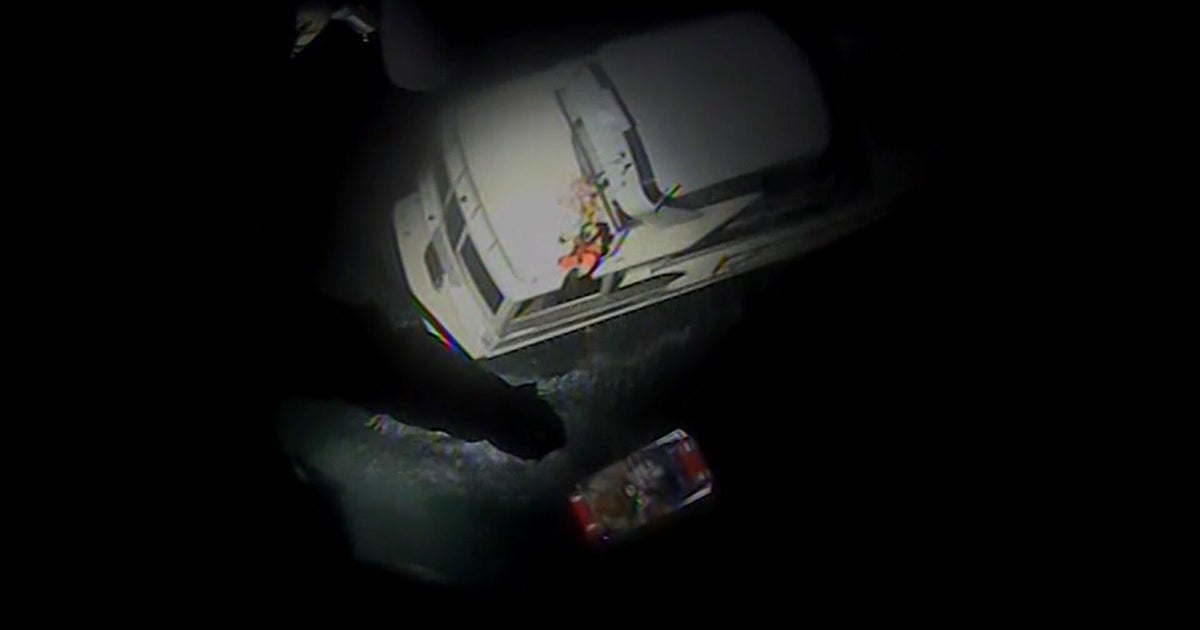
The Coast Guard said in a statement that the people were reported missing about 400 nautical miles off the Mexico-Guatemala border. The search lasted about 65 hours and covered an area of ocean that spanned more than 1,090 nautical miles, but multiple search boats did not spot any "survivors or debris," according to the Coast Guard.
"At this stage of the response, the likelihood of a successful outcome, based on elapsed time, environmental conditions, and available resources for a person in the water is very low," Coast Guard Capt. Patrick Dill said in the statement.
The search was carried out by a Coast Guard plane that took off from California, a vessel in the area that belonged to the Coast Guard's emergency assistance system and three other nearby vessels that were asked to help. The Coast Guard said in its statement that "available assets were extremely limited due to distance and range constraints."
A Coast Guard spokesperson told CBS News earlier Friday that 40-knot winds and nine-foot seas were reported in the area.
Colombian President Gustavo Petro — who has clashed with the Trump administration in recent months — wrote on X Friday that the people appeared to survive the strikes. He said the Colombian Navy was willing to assist.
The U.S. military has conducted at least 35 boat strikes in the Caribbean and Eastern Pacific between Sept. 2 and Dec. 31, killing at least 115 people.
The military has reported survivors in a handful of boat strikes — and has faced heavy scrutiny for its handling of those cases. Two survivors from a mid-October strike were detained by the U.S. Navy and then repatriated to Colombia and Ecuador. One survivor from a late October operation is presumed dead after the Mexican Navy called off a search for the person.
And in the Trump administration's first set of boat strikes on Sept. 2, two people survived the initial attack but were killed in a follow-on strike. Congressional Democrats who viewed a video of the operation criticized the second strike, alleging the military killed shipwrecked people who no longer posed a threat, but GOP lawmakers have called the strike justifiable, arguing the survivors appeared to still be in the fight.
The boat strikes are part of a broader military buildup in the region, amid a growing U.S. pressure campaign against the regime of Venezuelan President Nicolás Maduro. The Trump administration has accused Maduro's government of working with drug cartels, which it denies.
The operations have drawn criticism from lawmakers who argue the president is operating without permission from Congress. The Trump administration has defended the strikes as necessary to combat drug trafficking, calling the targets "unlawful combatants."