Make these 4 CD account moves before 2026, experts say
With Federal Reserve rates remaining mostly stable until recent months, savers largely reaped the benefits of high returns on their money, including with certificates of deposit (CD) accounts. While not as high as they were in recent years, CD interest rates remained highly competitive this year, and many are still easily discovered in the 4.00% to 4.50% range right now.
If you have a CD with terms maturing in 2026, it's important to make smart decisions now, whether that's renewing your CD account at maturity or reinvesting in a new deposit with better CD account interest rates. But you'll need to start considering your next steps quickly to avoid having your current account roll over into one with a potentially lower rate.
So, which moves should you actually be considering making now, in the final days of 2025? We spoke to a few experts for their suggestions.
Start by seeing how high your current CD rate offers are here.
4 CD account moves to make before 2026, according to experts
We spoke with three investing and finance experts about what you should do with your CD account funds now, before 2026 rolls around. Here's what they suggested:
Shop for a new CD
If you're looking for the best return possible, it's likely that you'll find much better rates with online banking institutions. If your CD matures in the next two to three months, take the time now to shop around to find the institution with the best CD rates.
Online banks, thanks to lower overhead maintenance costs that banks with physical branches have, are often able to pass on those savings to account holders in the form of higher interest rates. So it's worth taking the time to explore your options now so you know which banks are offering the best terms when your account actually does mature.
Consider CDs with shorter terms
If you have a 60- or 90-day CD, you have more opportunities to shop around again for better rates, says Shavon Roman, chief money strategist at Heal Plan Invest.
"Instead of putting it into a 12-month CD, perhaps consider a 60-day CD or a 90-day CD. And then when that term is up, shop the CD rate again to try to find a better rate," she says.
For example, if you invest in a 60-day CD in December, that CD term ends in February, you'll have the chance to look around for rates again once you have a better idea of what yields will look like in 2026. Just take this step carefully, as the likelihood of a short-term CD maturing in a cooler rate climate is significantly higher for next year than it has been in the recent past.
Check your CD maturity date and terms
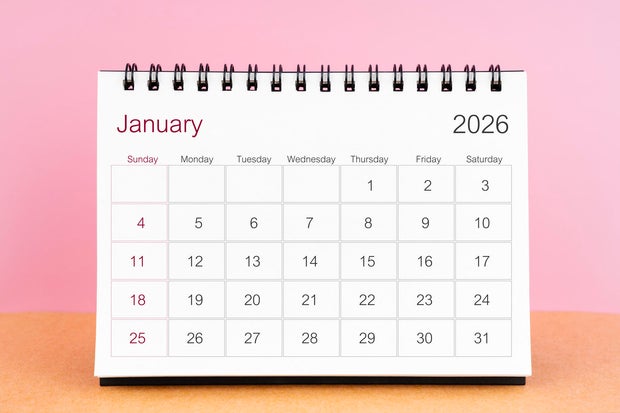
One of the biggest mistakes investors can make is forgetting about their certificates of deposit when their CDs mature. Put a reminder on your digital or physical calendar to check and shop rates before the CD term ends, Ramon says.
"I have an idea of 'chase the rate,'" she explains. "What that simply means for CDs is, every time they mature, you want to look around, shop around, see if there's another institution that may be offering a better rate."
You'll also want to double-check the terms of your CD, specifically any auto-renewal or rollover terms. You should try to avoid this as it can result in your money getting locked into a new, lower-interest-earning CD.
"Avoid the trap of auto-renewal … Set a calendar reminder for a few weeks before maturity so you have time to shop for better offers," says Andrew Latham, director of content at SuperMoney. If this happens, you'll lose out on your chance to shop for a better rate and will be stuck with the deposit or face penalty fees if you withdraw early.
Look at other investments
It's possible that Federal Reserve rates will trend downward in 2026, especially with predictions of a December Fed rate cut high right now. If the Fed rate drops, CD account rates will drop with it, making this type of account potentially less advantageous.
In this case, consider other investments in 2026, says Herman Thompson, Jr., certified financial planner at Innovative Financial Group. He offers government bond ETFs as an alternative.
"These ETFs can provide slightly higher yields with daily liquidity, and you can potentially receive some of the return in the form of more tax-efficient capital gains," he notes. "If you are a saver and you're discouraged that rates have been falling for over a year, just remember that you are still getting something on your savings."
High-yield savings accounts could also be a solid alternative for risk-averse savers. These accounts have rates that are largely identical to CD account interest rates, but allow more flexibility.
"If you think interest rates could rise again in 2026, you might want to keep your money in a high-yield savings account for now," Latham says. "These accounts are currently offering around 4% APY, with the added benefit of full liquidity and no early withdrawal penalties."
The bottom line
December is a common time for people to review their finances, make new budgets and set goals for the next year. Going into 2026, keep the Federal Reserve's decisions on your radar and monitor your CD account rates closely. If CD rate forecasts play out as predicted, it's likely you'll see lower rates next year than what you got in 2025. In this case, it makes sense to start shopping around early now. Today's elevated rates may not be around for much longer, so you'll want to find them (and lock them in) as soon as possible.