California bill aims to let families change "accident" label on DUI-related death certificates
When a DUI driver causes a crash that kills someone, in most cases, it's a crime. But that's not what it says on the death certificate.
Families of victims killed in DUI-related crashes are pushing to change that, arguing the term "accident" fails to reflect the reality of what happened.
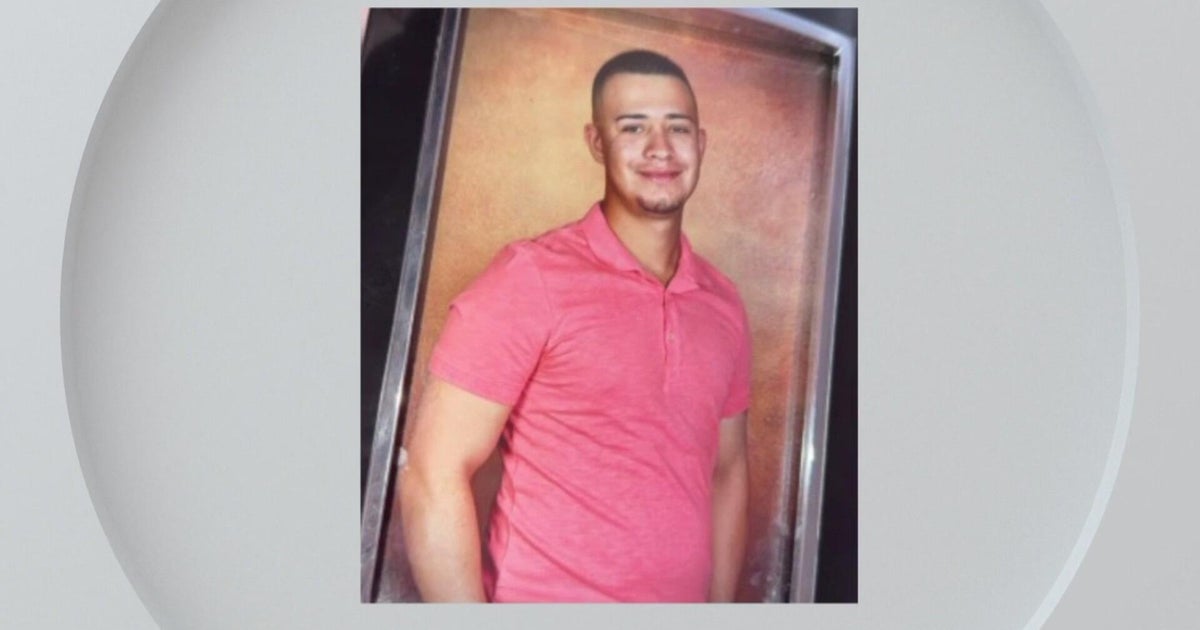
Kellie and Eddie Montalvo never got the chance to say goodbye to their 21-year-old son, Benjamin, who was killed in June 2020. Prosecutors say a woman who was driving drunk and high, and texting, struck Benjamin while he was riding his bike with friends.
She then left Benjamin Montalvo to die on the asphalt.
"This was Neomi Velado's fourth hit-and-run. She was in traffic school when she killed Benjamin," Kellie Montalvo said. "The next morning, she replaced her windshield and went on to work an entire shift."
Velado turned herself in the next night and was convicted of felony vehicular manslaughter and felony hit-and-run. But despite that conviction, Benjamin Montalvo's death certificate lists his manner of death as an "accident."
"The choices that were made and the choices that were not made make it absolutely not an accident," Kellie Montalvo said. "So I want Benjamin's death certificate changed."
The Montalvos are part of a growing effort known as the "Not an Accident" campaign, which is backing a California state Senate bill that would allow families to request an amended death certificate after someone is convicted of killing their loved one.
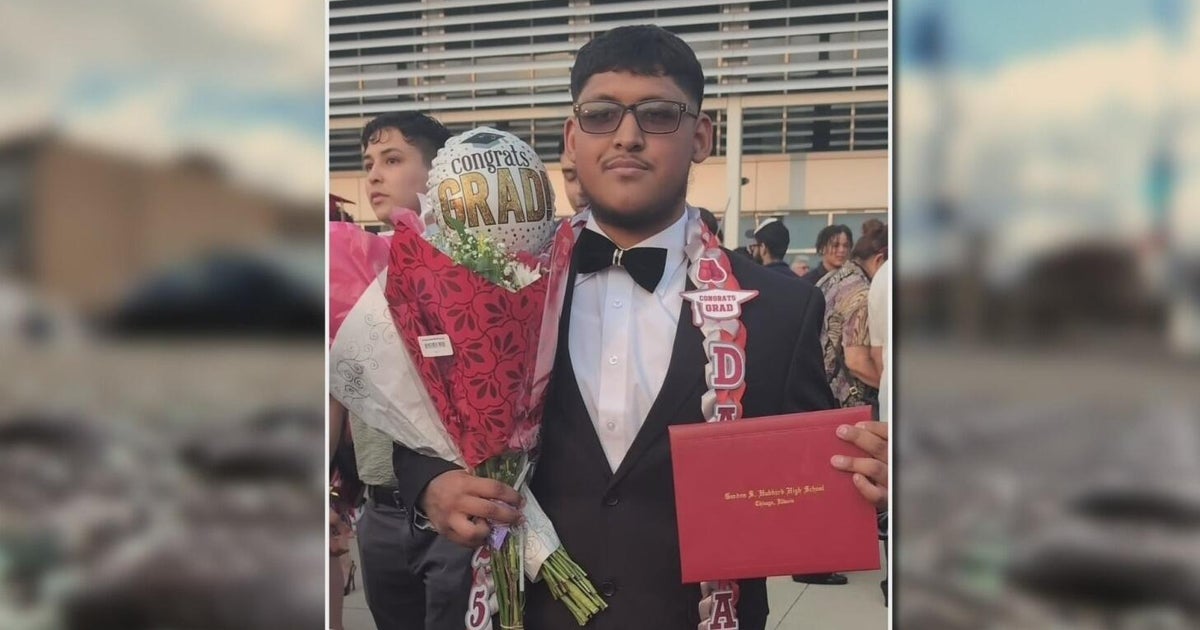
Supporters say the change is about more than emotional closure. Matt Capelouto, whose daughter Alexandra died after taking a pill laced with fentanyl, said accurate classifications could influence public policy.
"I think the most important thing... it will create accurate vital statistics," Capelouto said. "And it's our vital statistics that lay the groundwork for policy and funding that ultimately will help in combating these preventable deaths."
Alexandra's case was the catalyst for "Alexandra's Law," which allows prosecutors to charge certain drug dealers with homicide. Now, Caoelouto is joining the fight for the right to change a loved one's death certificate to reflect the legal cause of death.
"It's a slap in the face to look at her death certificate and have it categorized as an accident," he said.
However, the proposal is facing pushback from medical examiners. The president of the National Association of Medical Examiners said the bill "conflates legal determinations with medical determinations" and "could trigger the judicial system to press charges in a potential crime."
Except that the bill only "authorizes a family member" to request "a new death certificate" after a court has already ruled. In fact, the bill doesn't even mention the medical examiner. It simply authorizes the state registrar to "issue a new death certificate" based on the final court ruling.
Medical examiners classify deaths into five categories established more than a century ago: natural, accident, suicide, homicide and undetermined. Officials say those classifications are based on medical judgment, not legal outcomes.
Dr. Odey Ukpo, chief medical examiner-coroner in Los Angeles County, said a homicide designation typically requires evidence of intent to kill.
"The accused does not get into the vehicle drunk, saying 'I'm going to kill someone as a result,' " Ukpo said.
Still, he acknowledged there may be room to revisit how deaths are categorized, noting that modern circumstances — like DUI crashes — were not considered when the guidelines were first established.
The proposed legislation would not require medical examiners to change their findings. Instead, it would allow families to request that the state registrar issue a new death certificate reflecting the outcome of a criminal case.
As for allowing parents to update their child's death certificate, Dr. Upko said, "There's precedence for that, that the death certificate has been used as something to satisfy a need for the family."
He points to the Missing Angels Act, which allows parents to get a birth certificate following a stillbirth. California law also allows people to get a new birth certificate consistent with the person's legal gender, regardless of the gender assigned by the doctor at birth.
The Not An Accident bill would use the same legal process to update death certificates, which Kellie Montalvo hopes is part of Benjamin's final chapter.
For families like the Montalvos, the effort is about ensuring their loved ones' stories are accurately told.
"There is always something," Kellie Montalvo said through tears. "When I get done, I always just look up and go, 'Look, babe — your story didn't end.' "
Supporters of the bill were set to testify in Sacramento on Wednesday as lawmakers consider the proposal.