Thinking about using a buy now, pay later plan? Here are 5 hidden risks to avoid.
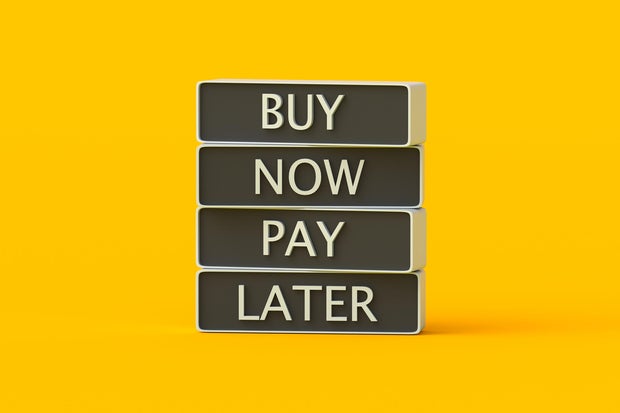
Buy now, pay later (BNPL) plans are everywhere. From online shopping carts to in-store checkout screens, buying something now and paying over time promises a quick way to spread out your payments without the sting of traditional interest. And, for shoppers dealing with today's higher prices and stretched budgets, that flexibility can feel like a lifeline.
But convenience can blur the true cost. BNPL plans are often marketed as "interest-free" and low risk, which makes them easy to stack across multiple purchases. What's less obvious, though, is how quickly those small installments can pile up, and how hard they can be to unwind once something goes wrong.
So, before clicking "confirm," it's worth slowing down and making sure it's the right move. Buy now, pay later plans can be useful in limited situations, but they also come with pitfalls that aren't always obvious initially. What are the hidden risks borrowers should watch for, though? Below, we'll examine five risks worth knowing.
Find out how to start tackling your debt problems today.
5 hidden risks to buy now, pay later plans
Buy now, pay later services can make purchases feel painless. But beneath the surface, these plans can introduce financial stress in ways many users don't anticipate, including:
Overspending without realizing it
BNPL tends to lower the psychological barrier to buying. Instead of seeing a $400 charge, you see four $100 payments, which feels far more manageable. The problem is that those installment plans don't exist in isolation. Having multiple BNPL purchases across different retailers can quickly turn into a web of overlapping payments, all due at different times. As a result, it's easy to lose track of how much you actually owe. That "out of sight, out of mind" effect can push your monthly obligations higher than your budget can realistically handle.
Find out whether you could qualify for debt forgiveness now.
Late fees and penalties add up fast
While many BNPL plans advertise zero interest, like credit cards, they often include late fees if you miss a payment. That means a single overdraft or paycheck delay can trigger penalties that turn a low-cost purchase into an expensive one. Some plans also automatically withdraw payments from your linked bank account. If funds aren't available, you could face both BNPL late fees and bank overdraft charges, a double hit that's especially risky for borrowers who are already juggling tight cash flow.
Potential credit score damage
BNPL is sometimes described as "off-credit," but that's become less true over time. Missed payments can be reported to credit bureaus, and some providers now factor your buy now, pay later usage into credit assessments. So, while the on-time payments don't always help your credit, the late ones can hurt it. That's a problem if you're trying to qualify for a mortgage, refinance a car loan or consolidate debt. All it takes is a few missed BNPL installments to quietly undermine your larger financial goals.
Refunds and disputes can be messy
Returning an item bought with buy now, pay later isn't always as simple as returning a purchase made with a credit card. Refunds may take longer to process, and payments could still be due while the dispute is being resolved. In some cases, borrowers are stuck making payments for items they no longer have or risk late fees while waiting for a refund. That complexity can create frustration and financial strain, especially if multiple BNPL plans are involved at once.
It can delay real debt solutions
Perhaps the biggest hidden risk is that buy now, pay later can mask deeper financial issues. Using installment plans to manage everyday expenses like groceries, utilities or basic household items can be a sign that cash flow is already under pressure. Relying on BNPL instead of addressing the root problem may push necessary decisions down the road. For borrowers carrying high-rate credit card balances or past-due bills, structured debt relief options can offer clearer timelines and fewer surprises than juggling multiple BNPL payments.
The bottom line
Buy now, pay later plans aren't inherently bad, but they aren't always as harmless as they look at checkout, either. Their biggest risks come from how easy they are to overuse, how quietly fees and penalties can grow and how they can complicate an already strained financial situation.
If you're considering BNPL, treat it like any other form of borrowing. Ask whether the payments fit comfortably into your budget, what happens if your income changes and whether the purchase is truly necessary right now. And if BNPL is becoming a regular tool to stay afloat, it may be time to look at broader debt relief strategies that provide more stability and long-term clarity.