Al Qaeda figure's death a "major step forward"
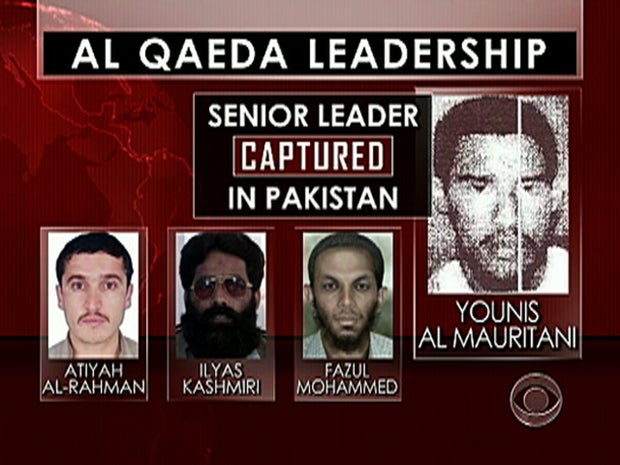
ISLAMABAD - News of the killing of Abu Hafs al-Shahri on Thursday was widely seen across the western world's defense and intelligence communities as a sign of growing progress in beating back their number one terrorist target - al Qaeda.
As head of al Qaeda's operations in Pakistan, al-Shahri was thought to have helped the Taliban craft lethal methods for carrying out their wave of terrorist attacks across the Afghan-Pakistan region.
A defense official from a NATO member country based in Islamabad, who spoke to CBS News on condition of anonymity, said al-Shahri, "was reputed to have become particularly adept at devising methods to cause additional harm, such as suggesting ways to the Taliban of making bombs more effective."
The NATO official said news of al-Shahri's death was seen by defense officials in western countries, including the United States, as "a major step forward. People are excited."
U.S. drones deal another body blow to al Qaeda
Al Qaeda ranks dwindle as another key figure killed
Though the exact location and circumstances of al-Shahri's death remain unclear, western diplomats and Pakistani security officials in Islamabad tell CBS News he was most likely killed in a U.S. drone attack somewhere in Pakistan's tribal belt, near the Afghan border. It is this region where U.S. officials have long suspected al Qaeda and the Taliban maintain their core presence.
News of the killing immediately prompted an oft repeated question - might al Qaeda eventually be beaten into extinction?
The killing of Osama bin Laden on 2nd May this year in an attack by U.S. Navy SEALs in Pakistan's northern city of Abbottabad was followed by speculation over the imminent collapse of al Qaeda's nerve center.
"The danger is people will see the recent killings as a sign of it (al Qaeda) getting weaker," a Pakistani security official tells CBS News. "We can't be certain if it will get weaker."
While the killings of prominent figures from the group's hierarchy will likely jolt al Qaeda, "we simply don't know at this stage if there will be successful succession to a new group of leaders or not."
The Pakistani security official, who also spoke on condition he not be identified, said it was important to consider al Qaeda's ability to maintain, "a reckless presence through its support for the Taliban, even if al Qaeda's leaders disappear one by one."
The NATO official who spoke to CBS News said, while al-Shahri's death is significant, "it's a bit early to know exactly how much damage this will cause to al Qaeda operationally."