What to do after an earthquake hits to stay safe

If you live in Southern California, you live with the knowledge that a major earthquake is always a threat.
In the event the quake is significant, there are steps you can take to reduce danger to you and your family.
Here is a checklist of things you can do after an earthquake strikes:
First, if it's safe to move and your building is damaged, exit the building.
Be ready for possible aftershocks in the coming hours, days and even weeks. These aftershocks are usually less violent than the main quake, but not always. They may be strong enough to do additional damage to weakened structures.
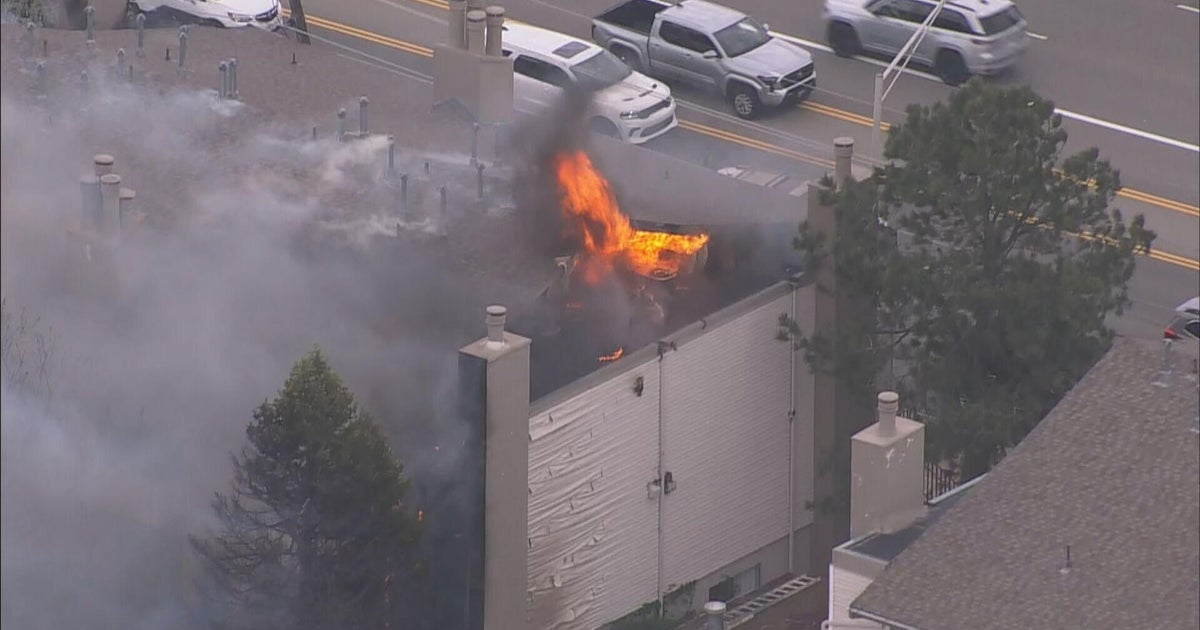
Check for and douse small fires. Fire is the most common hazard after an earthquake.
Do not use a lighter, match, or any other open flame near damaged areas.
It is important to check your utilities and be on the lookout for possible gas leaks.
If you smell gas or hear any hissing noise, open a window and leave the building right away.
Turn off the gas at the outside main valve, then call your natural gas provider from a neighbor's home. It is important to note that if you turn off your gas, it will have to be turned back on by a professional.
Also, check your electrical system.
If you see sparks, frayed wires, or smell smoke, turn off your electricity at the fuse box or at the circuit breaker.
Stay away from any downed or damaged electrical lines.
Also, check for water line damage.
Use the water shut-off valve outside your home to stop the flow of water to damaged pipes.
Use your telephone only for emergency calls.
Likewise, call 911 only to report emergencies, not to report any shaking.
Cell phone towers may be damaged or overloaded. You may have a better chance of communicating with family and friends via text.
Keep in mind, emergency crews will be sent to the most damaged areas first.
If possible, stay off the roads to give first responders a chance to get where they need to go.
If you do need to drive, be aware that roads, bridges and ramps may have been damaged and anticipate that traffic lights will be out as well.
Stay away from damaged neighborhoods.
Do not go into dangerous areas unless specifically requested by police, fire, or relief workers.
Recognize that parts of your home may not be safe.
Damaged chimneys or fireplaces could cause bricks to fall.
Damaged walls may not be able to support the building's weight. Shattered glass could cause serious injury. Put your shoes on.
If there are evacuations, emergency shelters will open shortly after a quake for the areas impacted.
This is the time to put your earthquake emergency plan into action.