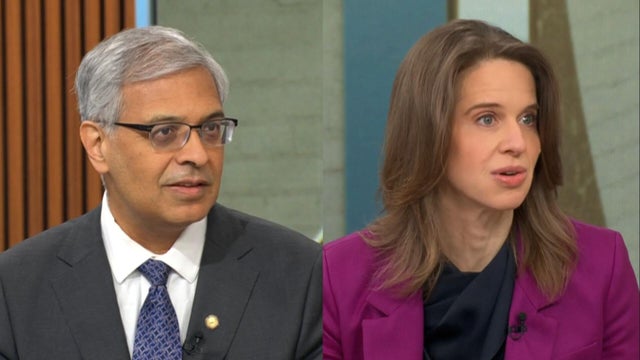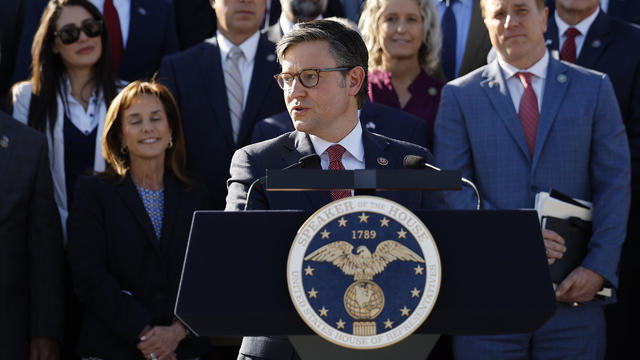
What are new House Speaker Mike Johnson's record and views on abortion?
Democrats have already pushed forward with attack ads on House Speaker Mike Johnson's views on abortion.
Watch CBS News
Democrats have already pushed forward with attack ads on House Speaker Mike Johnson's views on abortion.
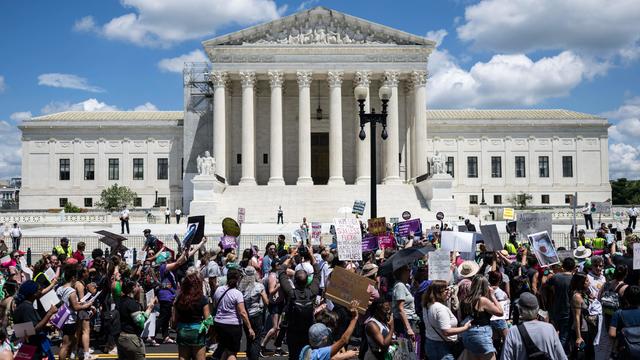
The number of abortions in the U.S. rose slightly in the 12 months after states began implementing bans on them, according to a report from the Society of Family Planning.
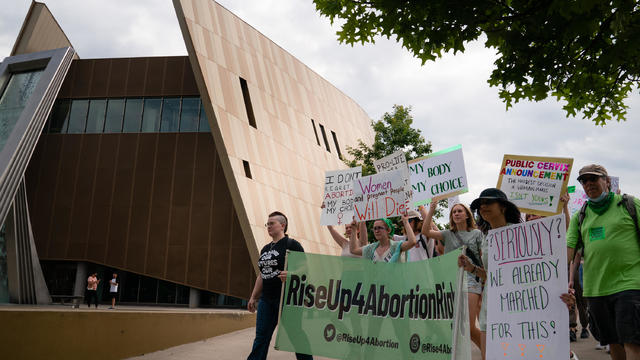
The Georgia Supreme Court has rejected a lower court's ruling that the state's restrictive abortion law was invalid, leaving limited access to abortions unchanged for now.
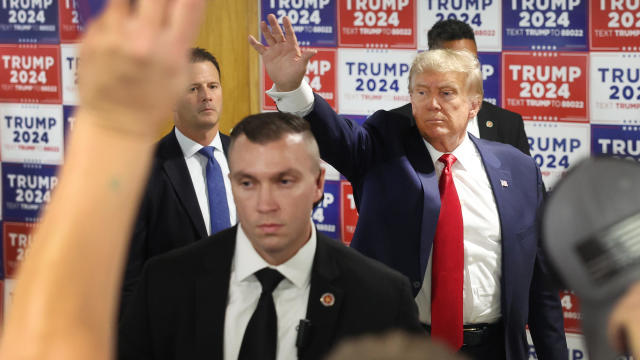
Trump primary opponent and Florida Gov. Ron DeSantis told an Iowa radio show that "pro-lifers should know [Trump] is preparing to sell you out."
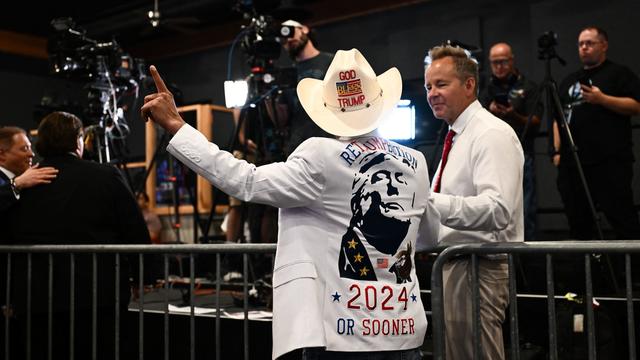
The GOP field of candidates is fractured over how far into a pregnancy abortion should be prohibited and whether a federal ban is appropriate.
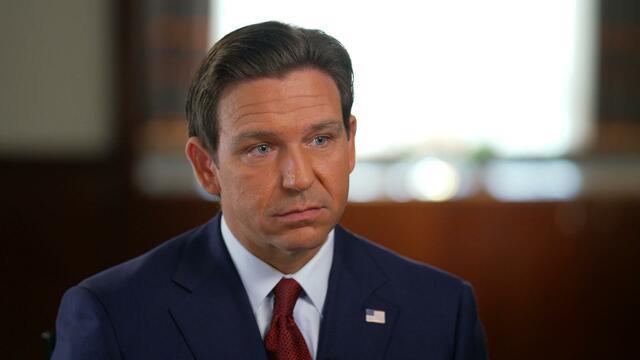
Florida Gov. Ron DeSantis declined to say whether he supports a national abortion ban.
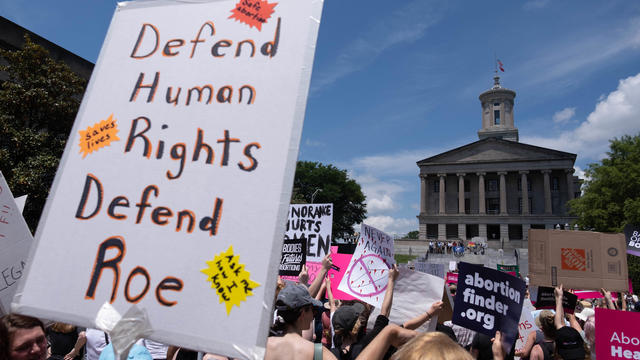
The actions were filed by the Center for Reproductive Rights on behalf of physicians and women who were denied or delayed access to abortion care despite facing serious pregnancy complications.
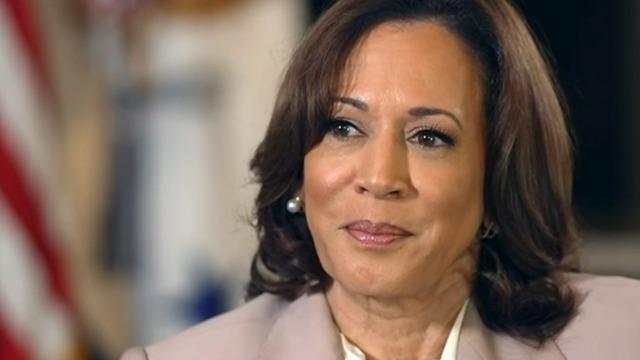
Vice President Kamala Harris called the claims that Democrats support abortions up until birth "ridiculous" and a "mischaracterization of the point."
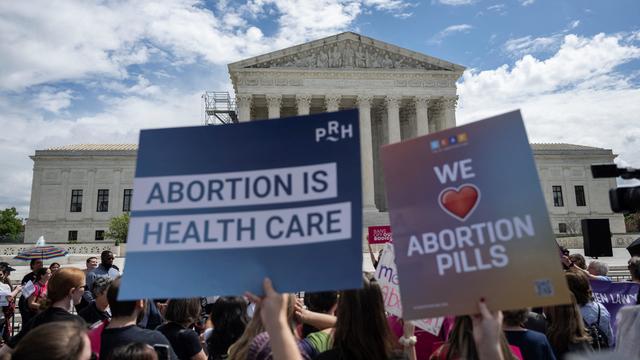
Danco Laboratories and the Justice Department asked the Supreme Court to review the appellate court's decision on patient access to the abortion pill.
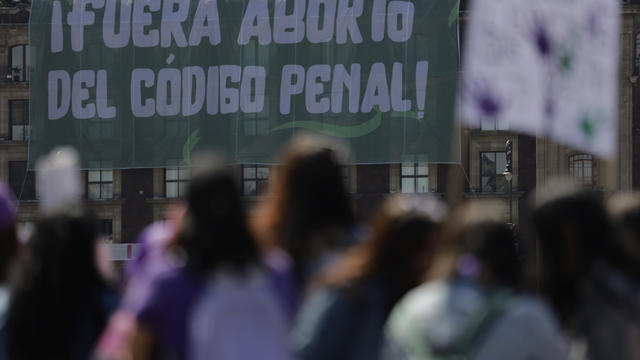
It comes two years after the court ruled that abortion was not a crime in one northern state.
More out-of-state travelers also used nonprofit or charity funds to obtain abortion care, the study found.
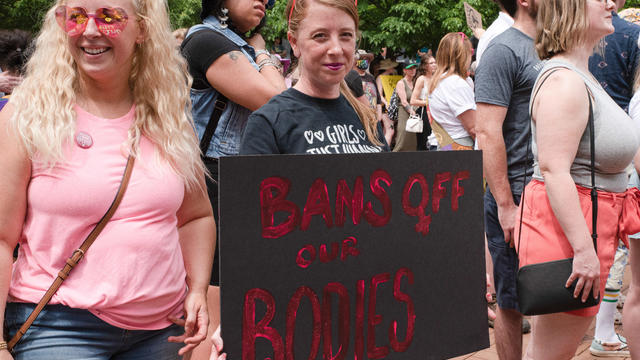
The Ohio Ballot Board added the words "unborn child" and made other changes to ballot language describing a measure that would enshrine abortion rights in the state constitution.
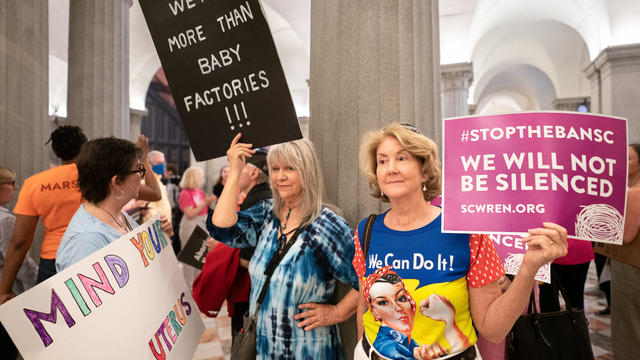
The 4-1 ruling departs from the court's own decision months earlier striking down a similar ban that the Republican-led legislature passed in 2021.

GOP primary voters divide over wanting a candidate who supports a national abortion ban.
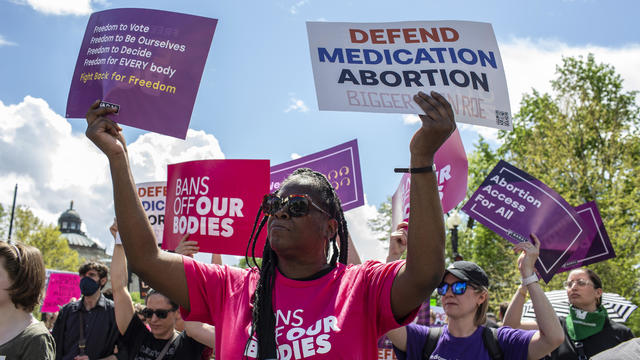
A federal appeals court upheld the 23-year-old approval of mifepristone, but said a series of actions the FDA took in recent years to make it easier to obtain went too far.
Planned Parenthood Federation of America President Alexis McGill Johnson contends, "This baseless case is an active effort to shut down Planned Parenthood health centers."
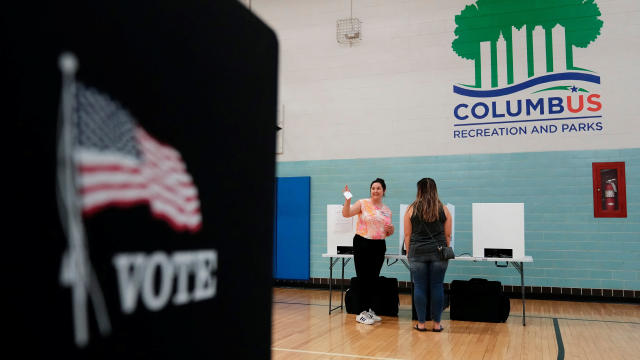
Voters in Ohio rejected a measure known as Issue 1 that would have raised the bar for constitutional amendments on the ballot.

The proposal, rejected by Ohio voters, would have made it more difficult to amend the state Constitution. The result could have significant ramifications for abortion rights in the state.
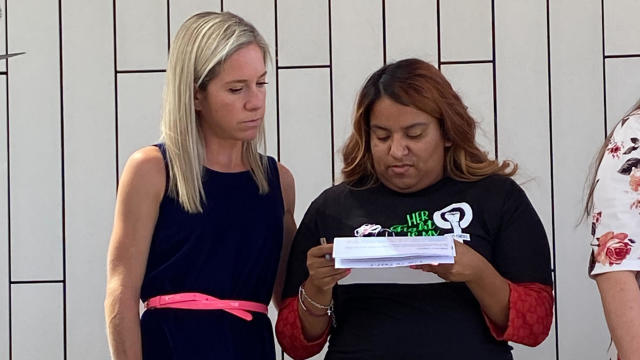
Judge Jessica Mangrum issued a temporary injunction on enforcing the state's abortion bans in certain cases.
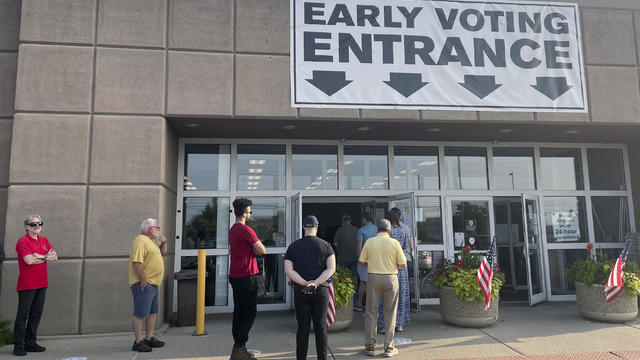
Ohio Republicans set in motion a summer special election over a ballot measure that would make it more difficult for voters to pass state constitutional amendments.
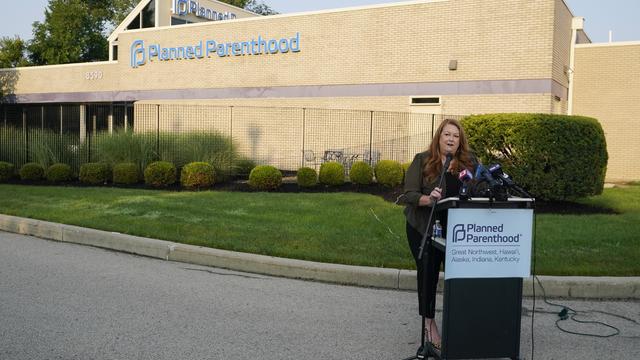
The state's six abortion clinics have stopped providing them in anticipation, even as a petition before the state's high court seeks to put the ban on hold.
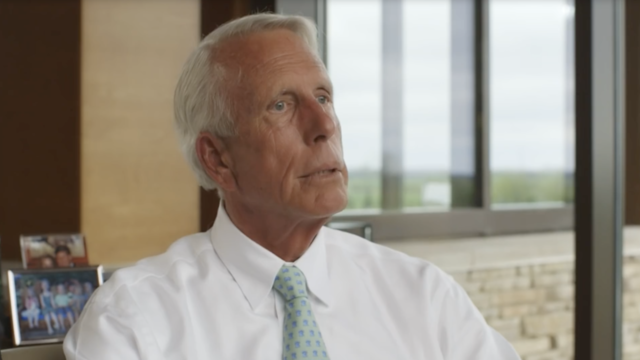
Illinois megadonor Richard Uihlein was the top donor backing a special election ballot measure aimed at stopping a constitutional amendment on abortion in Ohio.

"I don't feel safe to have children in Texas anymore," said one Texas woman who testified about the effect of the state's abortion law on her failed pregnancy.
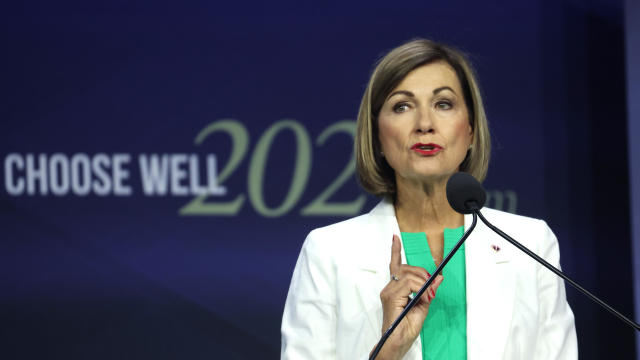
Judge's ruling means abortion is once again legal in Iowa up to 20 weeks of pregnancy while the courts assess the new law's constitutionality.
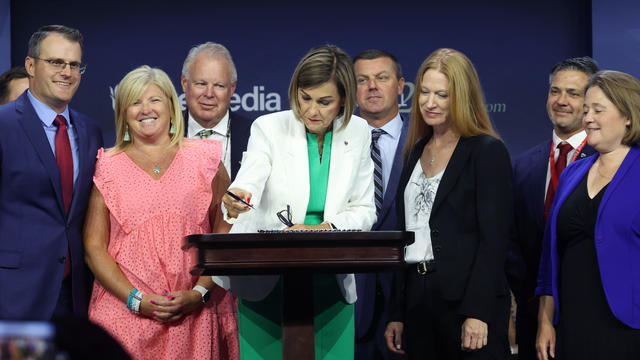
A state judge is expected to rule next week on a request from Planned Parenthood and other abortion rights group to temporarily halt the ban.