
Lunar eclipses, supermoons, meteor showers happening in 2025
Skywatchers can mark the calendar with a busy lineup of celestial occurrences in 2025.
Watch CBS News
Skywatchers can mark the calendar with a busy lineup of celestial occurrences in 2025.
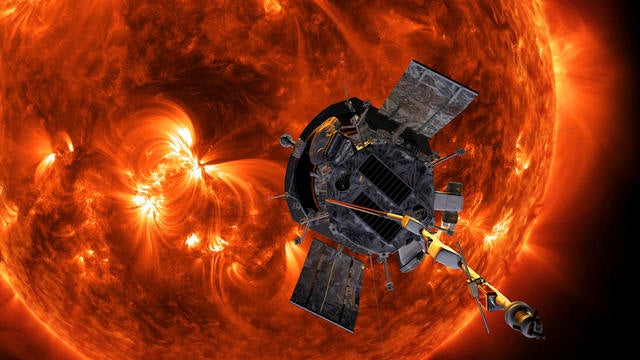
NASA's Parker Solar Probe hurtled through the sizzling solar atmosphere and passed within a record-breaking 3.8 million miles of the sun's surface.

NASA astronauts Butch Wilmore and Suni Williams have been stuck in space for months longer than expected, and will not return to Earth until at least March 2025 at the earliest, NASA indicated.

December's full moon, known as the Cold Moon, is the last full moon of 2024. Here's when it peaks and why it's called the Cold Moon.

One of the best meteor showers of the year is about to peak. Here's how to watch and where you can catch the Geminids.
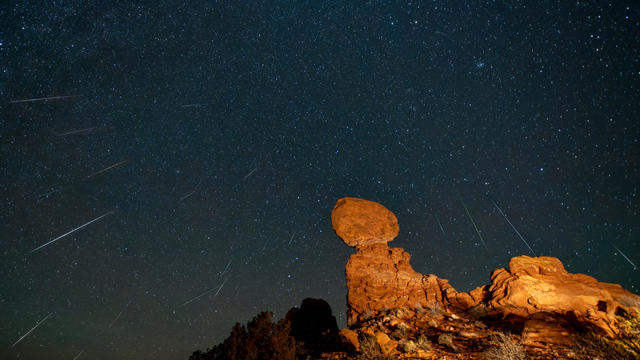
The Geminid meteor shower this year is set to peak at almost the same time as December's full moon, which could make for challenging viewing conditions.
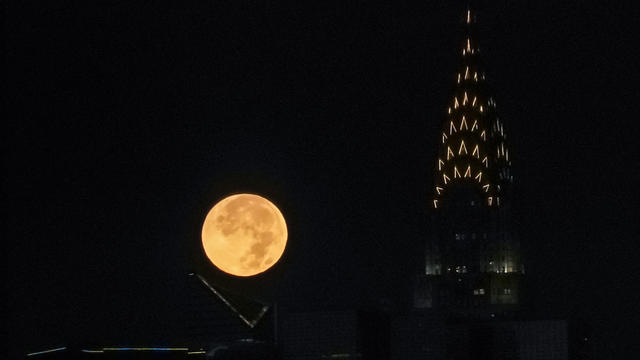
November's full moon, known as the Beaver Moon, is the last supermoon of 2024. Here's when it peaks and why it's called the Beaver Moon.
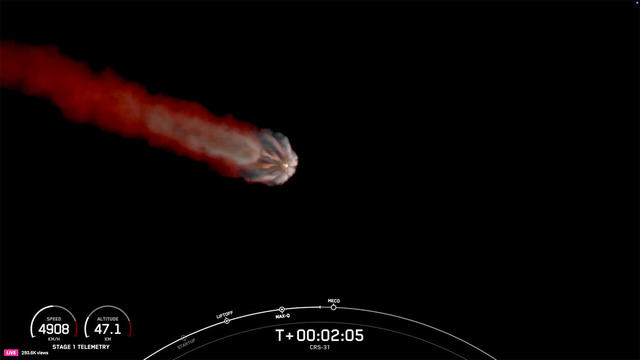
With an Election Day docking, the cargo ship delivered 3 tons of supplies and equipment, including an unusual wooden satellite.

The Crew Dragon splashed down in the Gulf of Mexico a month later than planned, setting a SpaceX endurance record in the process.

The ambitious mission won't actually look for life on Jupiter's moon Europa, but it should find out if the presumed ocean provides a habitable environment.
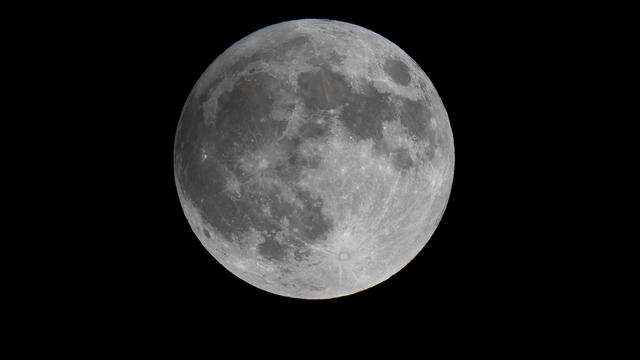
This week's full moon is called the Hunter's Moon. It's also a supermoon, which is expected to be the brightest one of the year so far.
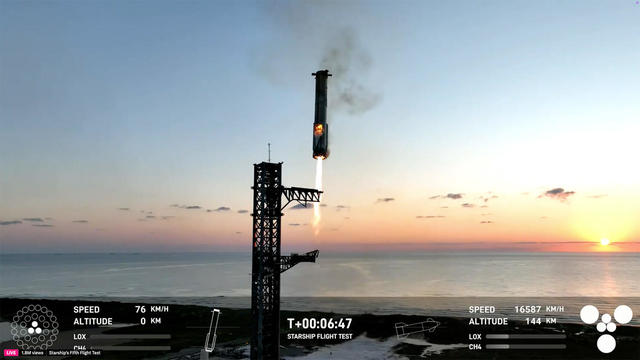
The successful capture of the returning Super Heavy rocket with giant mechanical arms is a key element in SpaceX's goal of "rapid reusability"
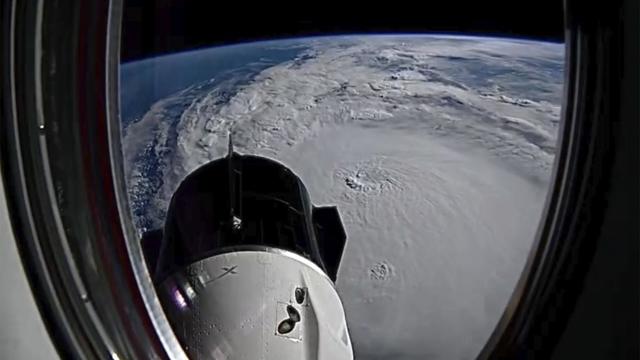
Images from space show the progress of Hurricane Milton towards the western coast of Florida.
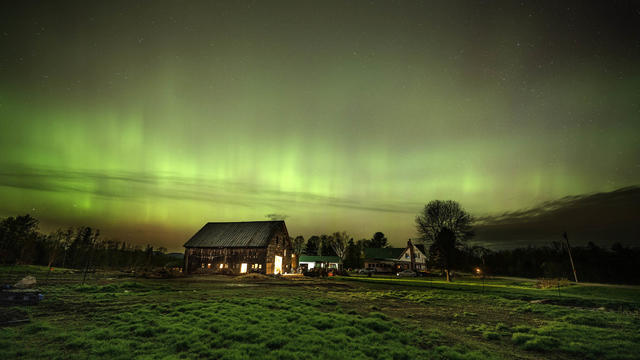
The northern lights could dazzle millions of Americans in some northern states this weekend.
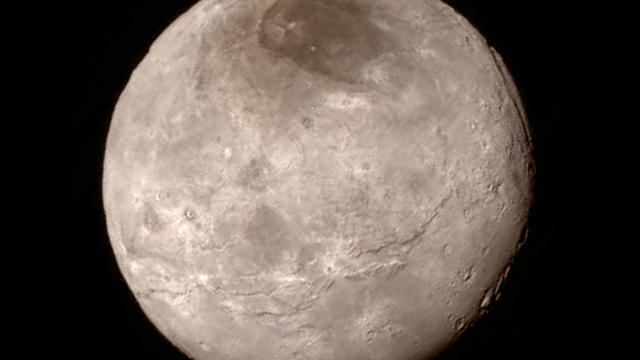
Researchers used observations from the Webb Telescope to identify carbon dioxide and hydrogen peroxide on the surface of Charon, Pluto's largest moon.