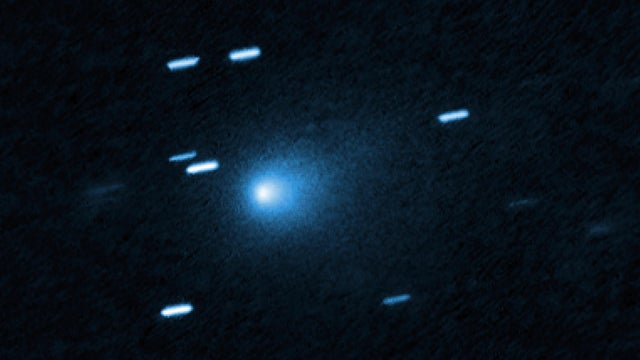
New image shows high-speed comet visiting from another solar system
Discovered last month by a telescope in Chile, the comet known as 3I-Atlas is only the third known interstellar object to pass our way.
Watch CBS News
Discovered last month by a telescope in Chile, the comet known as 3I-Atlas is only the third known interstellar object to pass our way.
About 3,870 employees have applied to depart NASA over two rounds through the Trump administration's deferred resignation program, the agency disclosed.
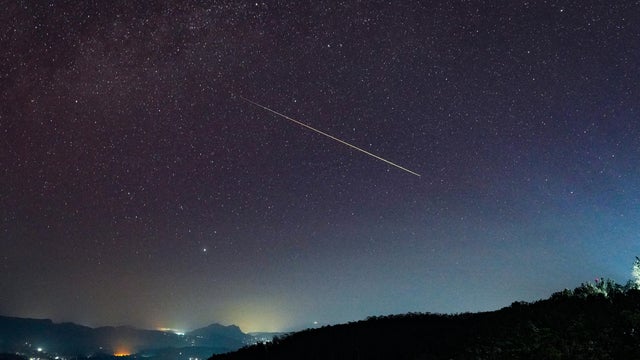
The Perseids meteor shower begins this week and is expected to offer one of the best astronomy shows of 2025.
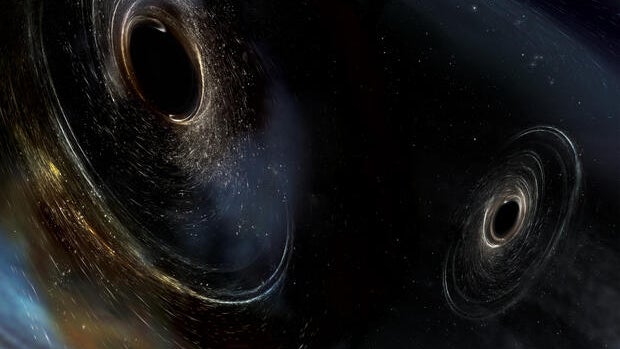
Two black holes merged into one massive one, scientists from an international collaborative group said.
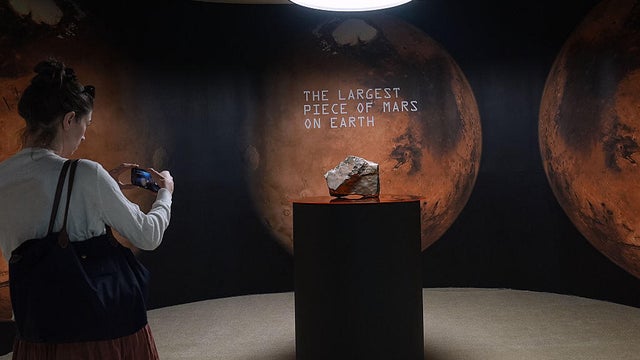
A 54-pound meteorite from Mars sold for more than $5 million when it went up for auction on Wednesday at Sotheby's.
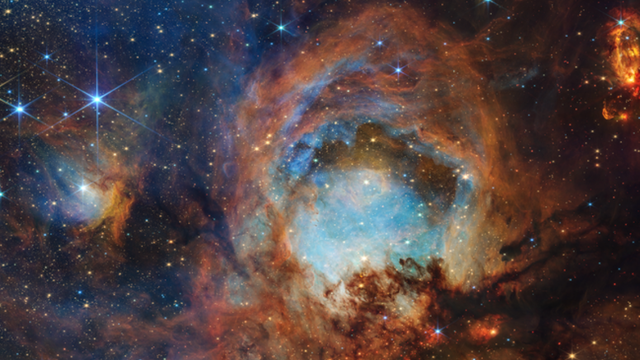
The Cat's Paw Nebula is about 4,000 light-years from Earth, near the constellation Scorpius.
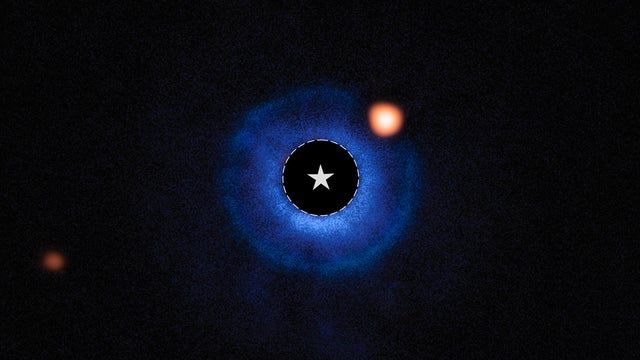
The exoplanet, a planet beyond our solar system, has been dubbed TWA 7b after NASA's James Webb Space Telescope captured evidence of it.
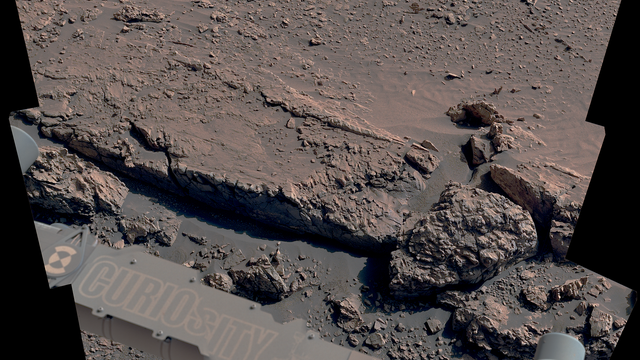
The new images by the Curiosity rover on Mars show "dramatic evidence" of ancient groundwater in crisscrossing low ridges, NASA said.
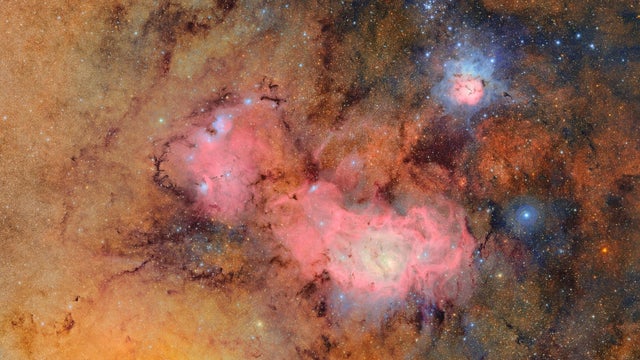
The debut images from a powerful telescope at Chile's Vera Rubin Observatory show distant galaxies and star-forming regions in spectacular detail.

A SpaceX Starship upper stage exploded during ramp-up to an expected engine test firing at the company's Starbase facility on the Texas Gulf Coast. It's an apparent major setback for the program.
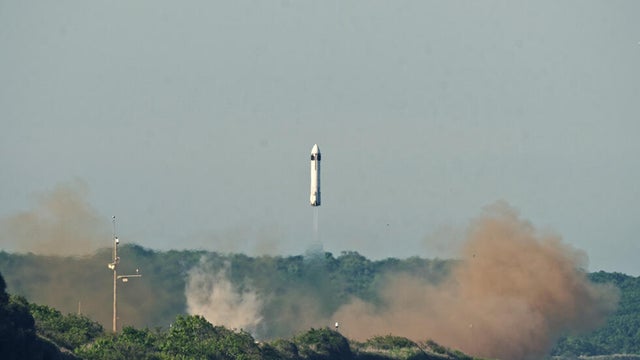
Japan's second-biggest carmaker, Honda, has successfully tested an experimental reusable rocket, the company says, as it seeks to expand into the space sector.
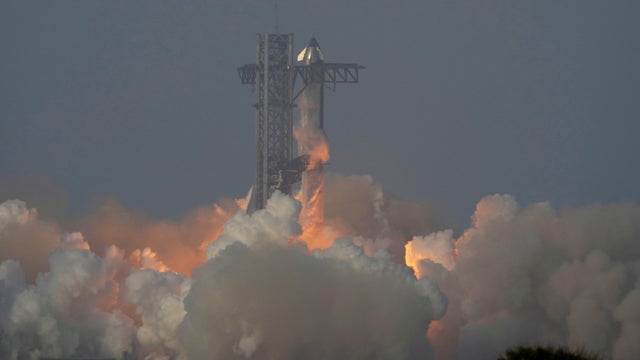
After back-to-back Starship upper stage failures, SpaceX on Tuesday again launched the world's most powerful rocket, but faced new problems.
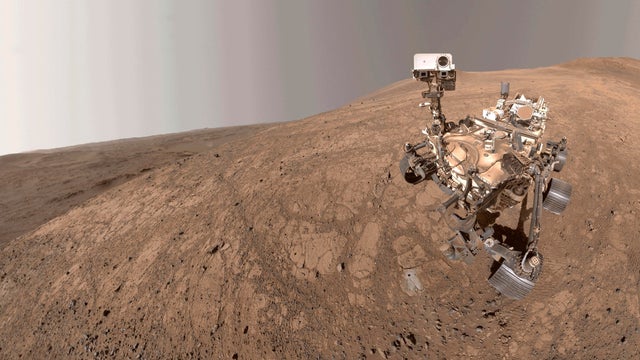
The latest selfie by NASA's Perseverance rover at Mars has captured an unexpected guest: a Martian dust devil.
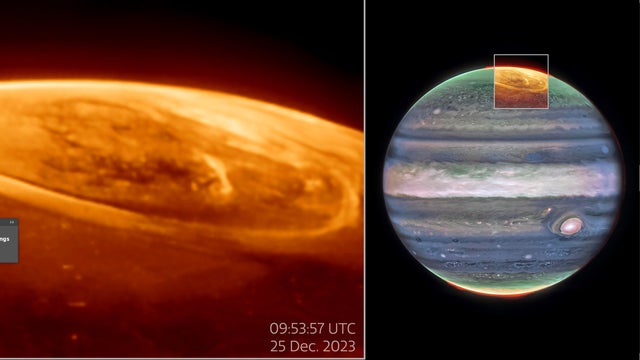
Jupiter's stunning auroras are hundreds of times brighter than those seen on Earth, as pictured in new images taken by the James Webb Space Telescope.
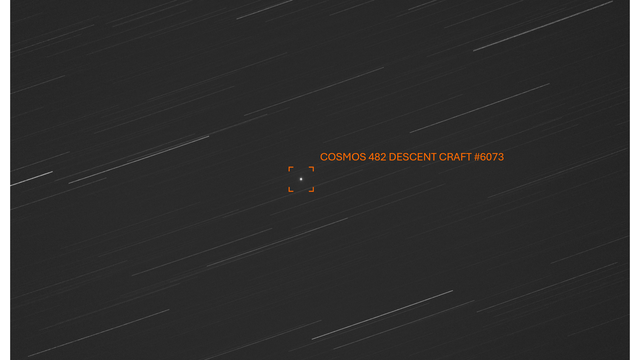
A Soviet-era spacecraft meant to land on Venus a half century ago is expected to plunge uncontrolled back to Earth within days.