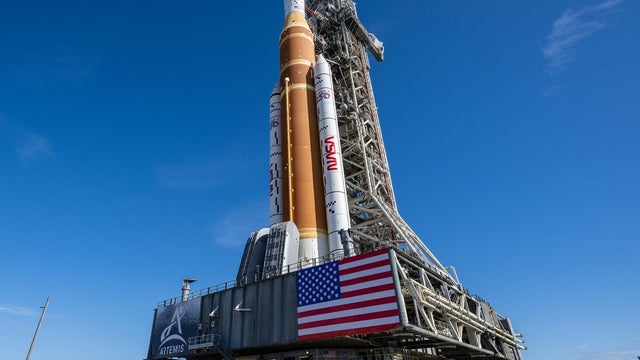
Meet the rescue team behind the astronauts as Artemis II's launch approaches
A global team of Air Force rescuers is on standby, ready to come to the aid of the Artemis II crew after their space launch.
Watch CBS News
A global team of Air Force rescuers is on standby, ready to come to the aid of the Artemis II crew after their space launch.
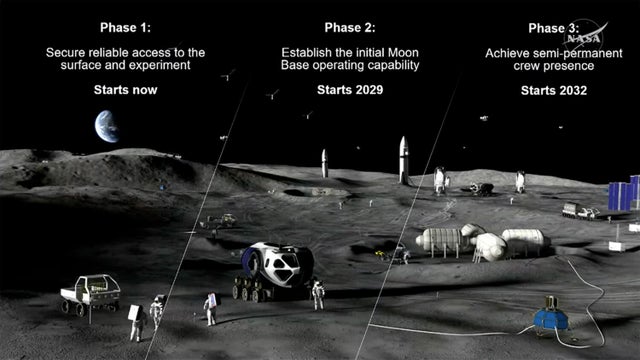
In an on-going overhaul of NASA's Artemis program, agency officials say it will take seven years to build a sophisticated base on the moon.
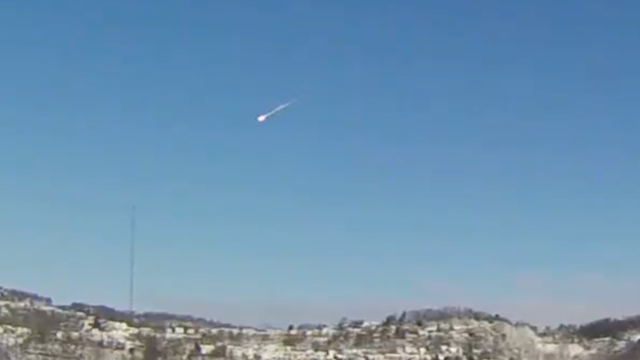
Some residents immediately feared the sound was an explosion, according to CBS affiliate WOIO, but weather service officials say it appears to have been a meteor.
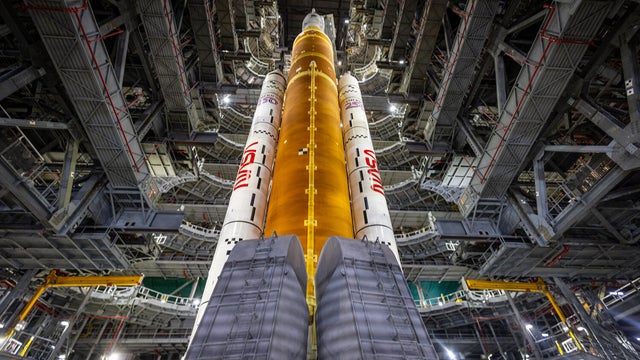
NASA's huge Space Launch System rocket has been repaired and is ready for rollout back to the launch pad next week.
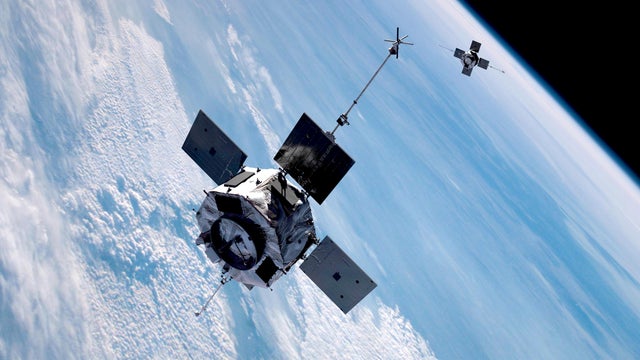
The Van Allen probe's mission was meant to last two years, but ended up going for nearly seven.
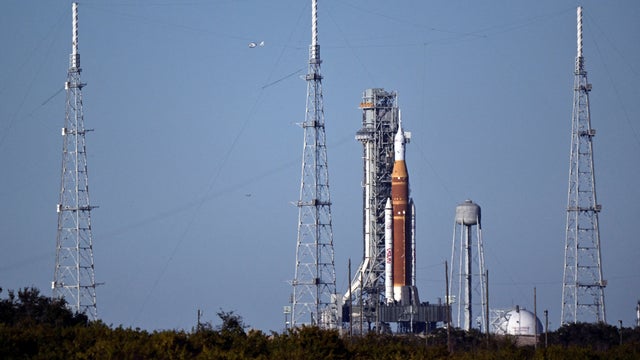
NASA Administrator Jared Isaacman announced significant changes to the agency's Artemis program, which aims to land on the moon in 2028.
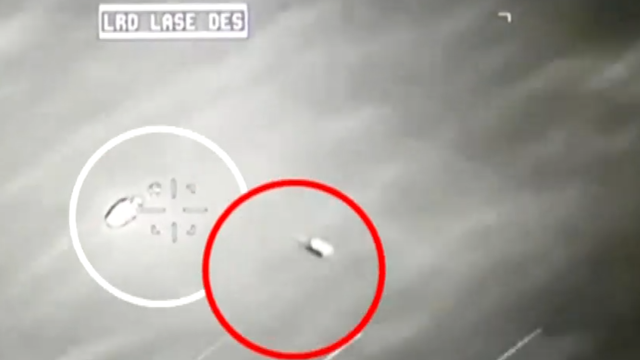
The Pentagon's release of files might help scientists shed light on unexplained phenomena and government secrets, experts said.
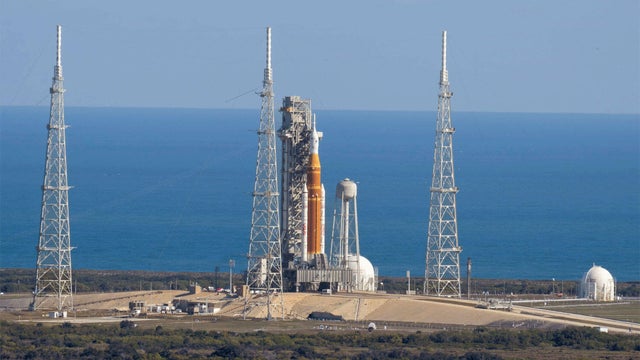
The space agency said Sunday it's targeting Tuesday for the slow, four-mile trek across Kennedy Space Center, weather permitting.
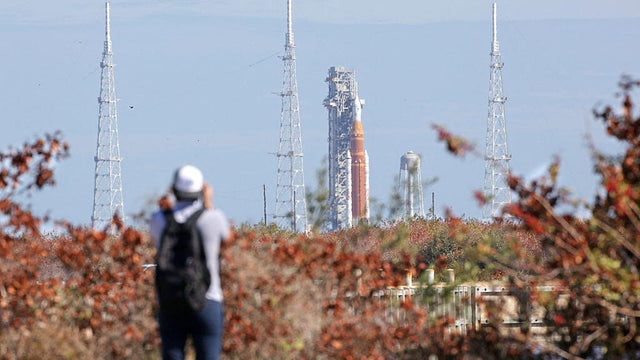
The Artemis II mission aims to send four astronauts — Reid Wiseman, Victor Glover, Christina Koch and Canadian astronaut Jeremy Hansen — on a flight around the far side of the moon and back.
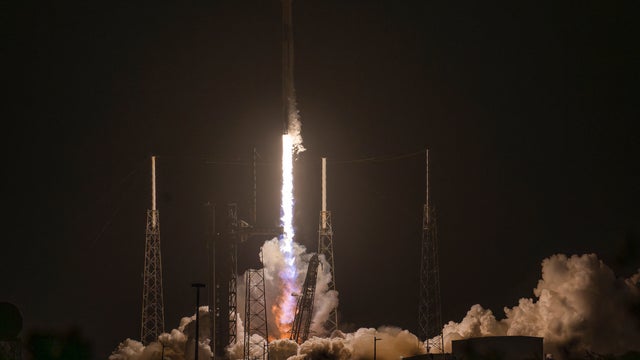
The two-woman, two-man crew is replacing four other station fliers who came home early last month due to a medical issue one was having.
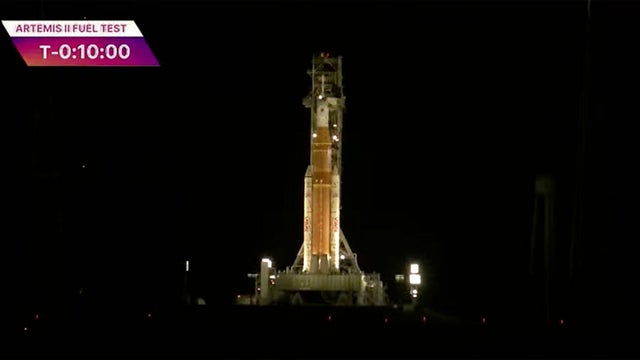
NASA says it can't try until March at the earliest to send a crewed spacecraft on a flight around the moon and back, due to hydrogen leaks during testing of the Artemis II rocket.

Mike Fincke thanked NASA for making crew health the agency's top priority.
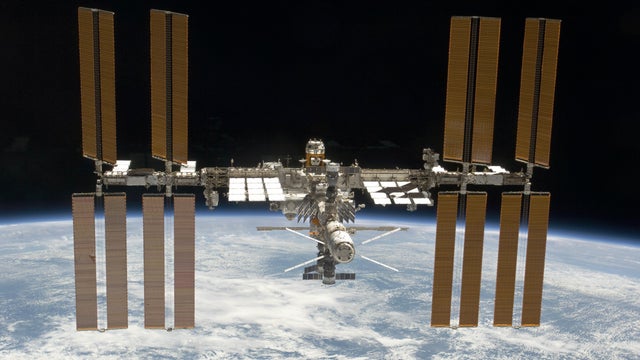
NASA said the unidentified astronaut is "stable," but the agency is considering all options, including a possible early return to Earth for Crew 11
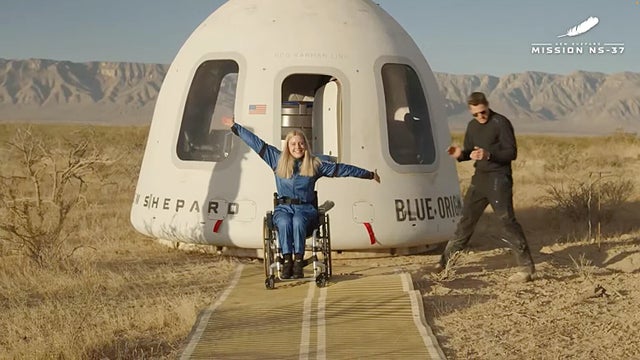
German engineer Michaela Benthaus is the first person with a significant physical handicap to reach space.
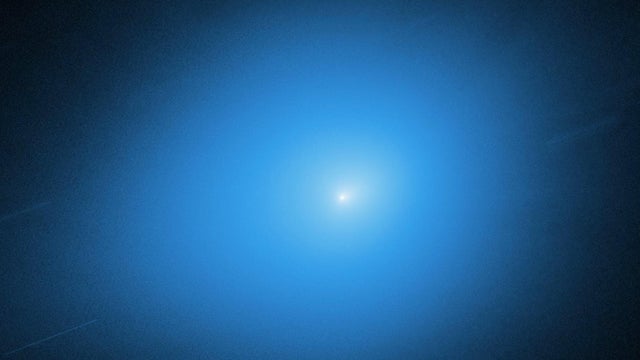
NASA continues to aim its space telescopes at the visiting ice ball, estimated to be up to 3.5 miles in size.