Washtenaw County sees 77% increase in homelessness since 2022, study shows

A presentation by the Washtenaw County Continuum of Care shows homelessness rising 77% since 2022.
The study used county data and first-person surveys to give a snapshot of homelessness numbers for a given day in January.
Organizations providing resources for those experiencing homelessness say they're feeling the impact of this trend, saying there's a growing demand for their services year over year.
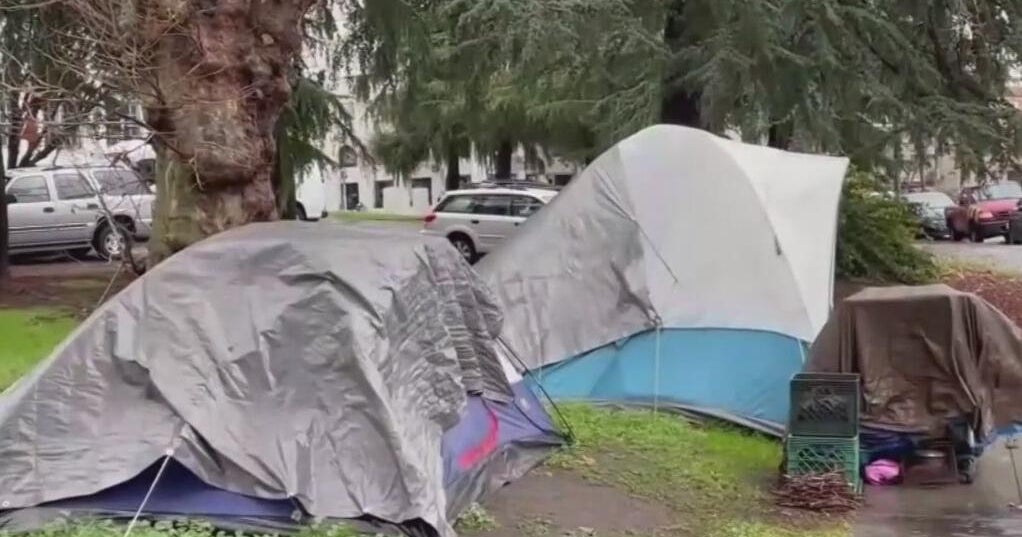
The study found 373 people experiencing homelessness when they compiled the data in January, with 350 of those people using shelters, but 23 of them were spending their nights on the street. The Washtenaw Housing Alliance says the number of unsheltered people only grows as the weather gets warmer.
"That's the bare minimum number anywhere, and we have heard from our street outreach providers that the number has grown just since January," said Washtenaw Housing Alliance director Amanda Carlisle.
An Ann Arbor resident told CBS News Detroit that rising rent and the cost of living are making it difficult for him to find stable housing, even with a job.
"I actually live in one of the homeless shelters, but I also have a job at the airport. "So, now I'm saving up enough so I can get my house, but I'm still going to have those struggles because I'm going to have to pay mortgage fees, rent," said Alexander-Dante Keith Dalvilla.
The study found 105 more people heading to shelters and 17 more people living completely unhoused in 2025 compared to 2022.
"We've had a challenging time serving folks immediately with emergency shelter resources, or we just don't have the housing available for folks," Carlisle said.
Ozone House caters to teens and young adults as old as 24. Their young adult transitional housing program is full with 14 residents, but they say even more are on their waitlist.
"A couple months ago, that waitlist was at 30. I think we're down to 18 right now. We have a lot of staff here who can't afford to live in Washtenaw County, so certainly we see that with young people as well. They'll be working and can't afford to be living on their own," said Ozone House executive director Kellie Rutledge.
These providers also say the demographics are changing as they're seeing more people with disabilities and seniors needing housing assistance.