Potentially destructive giant scale insects found in luggage at Detroit Metro Airport
U.S. Customs and Border Protection agriculture specialists intercepted a first-in-nation batch of potentially destructive giant scale insects at Detroit Metro Airport earlier this year.
The insects, which were approximately 5 mm long and dark in color, were discovered feeding on fresh pine bark brought to the country for medicinal purposes, officials said. The items were found during a routine luggage inspection in February and were brought into the country by a Cameroonian citizen who was traveling to Illinois.
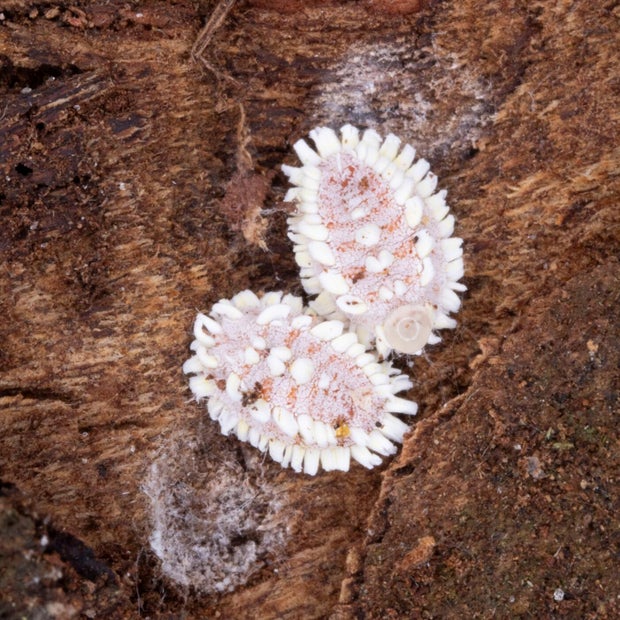
The USDA confirmed on Aug. 7 that the insects belonged to the Aspidoproctus species. It's the first time the species has been found at a U.S. port of entry.
The insects and bark were seized, and the traveler was advised of applicable regulations and released without incident, officials said.
"This encounter provided us with an opportunity to educate the traveling public of the dangers exotic plant matter poses to U.S. agriculture interests and showcases the diligence of our agriculture specialists in protecting the homeland," said Director of Field Operations Marty C. Raybon. "There is no such thing as a small threat."
According to CBP, this African genus of scale is among the world's largest, growing to nearly 1.5 inches long, and females can lay more than 5,000 eggs. The insects can damage shrubs, trees and other vegetation.
"Our agriculture specialists are on the frontline of protecting Michigan's vital lumber industry," said Port Director Fadia Pastilong. "This first-in-nation interception is significant because pests like this can threaten America's natural resources and wreak havoc among our most important economic sectors."
It's the second time this year that a potentially destructive insect, never-before-seen at a U.S. port of entry, has been found at DTW. In January, a non-native straw crest moth (Mesophleps silacella) was discovered during a routine inspection of luggage from Ghana.
The straw crest moth is native to Europe and parts of Asia and feeds on plants in the rockrose family.


