Plymouth Historical Museum honors city's first African American resident

The Plymouth Historical Museum is kicking off Black History Month by honoring a man who broke barriers and built a life during one of the most challenging periods in American history.
While the museum closed to the public in January for an exhibit changeover, major updates have been underway behind the scenes, leading to the debut of a powerful new permanent exhibit.
The museum is now telling the story of George Jackson, who was born free in Philadelphia, arrived in Plymouth in the mid-1850s, and remained a respected member of the community until his death in 1913.
"From about 1860 until he died in 1913, he lived in Plymouth that entire time," said Elizabeth Kerstens, executive director of the Plymouth Historical Museum.
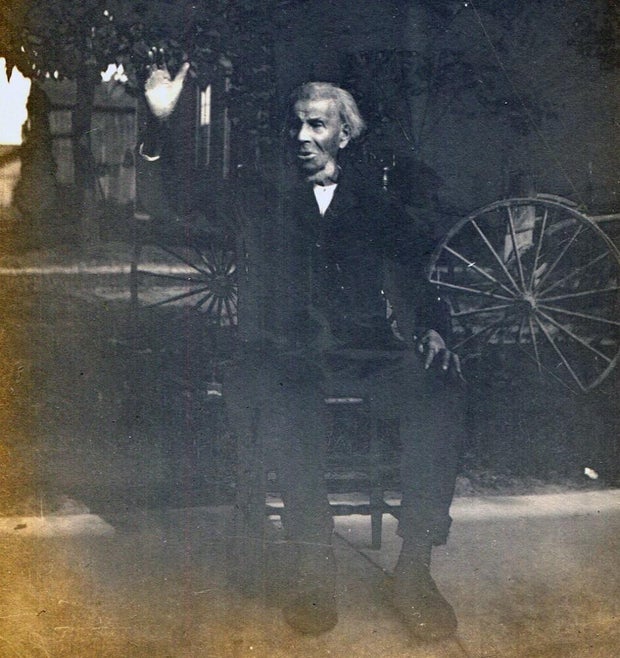
Jackson worked as a teamster and drayman, hauling and delivering goods throughout Plymouth by horse and cart. It's similar to a modern-day delivery driver. That work is central to the museum's newest installation, which is part of a larger exhibit titled America 250: Part One.
At the heart of the display is a reconstructed mid-19th-century delivery cart, positioned in front of a wall-sized streetscape image of Plymouth around 1864, complete with dirt roads. A mannequin representing Jackson stands beside the loaded cart, bringing his daily life into focus.
The exhibit also features digital storytelling, including an augmented-reality experience that allows visitors to see a digital version of Jackson and hear him speak about his life, offering insight into the civic, economic, and racial landscape of the time.
Plymouth historian Ellen Elliott says Jackson's story was uncovered during Civil War research several years ago.
"As the museum evolves, we felt it was the right time to tell his story," Elliott said. "It's an important story for our community."
In the course of their research, museum staff also located Jackson's burial site and added a headstone in his honor. The exhibit was funded by museum board member Jim Burroughs, after grant and crowdfunding efforts were unsuccessful.
While the George Jackson exhibit will remain permanent, museum leaders say the rest of the museum will continue to rotate exhibits.
"If somebody thinks, 'I've seen the museum before,' that doesn't mean you'll see the same thing again," Kerstens said. "We want people to keep coming back."
The museum will host a members-only preview of the exhibit on February 3, followed by a public opening on February 4, officially welcoming visitors back after the January closure.