Michigan DNR asks boaters to be on the lookout for invasive snail species

An invasive aquatic snail species has been found near Grand Rapids, marking the first time the New Zealand mudsnail has been found in Southern Lower Michigan.
The Michigan Department of Natural Resources made that report on Monday, providing photos and a description of the New Zealand mudsnail. The tiny snail was first detected in Michigan in 2015 and was previously found in Au Sable, Boardman, Grass, Pere Marquette, Pine and Upper Manistee rivers in Northern Michigan.
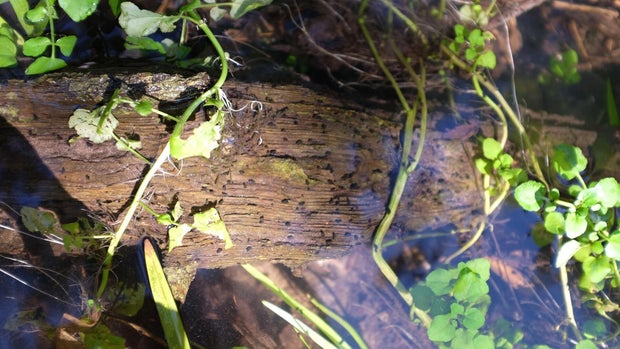
It's now known to be in Bear Creek, which is a tributary of the Thornapple River in Kent County, southeast of Grand Rapids. This location is about 75 miles south of the nearest confirmed infestation in the Pere Marquette River. The DNR said biologists from the Michigan Invasive Species Program are investigating the circumstances of the prohibited species appearing in a new location and will conduct additional sampling along Thornapple River tributaries in Barry, Kent and Ionia counties.
"Currently, no effective treatments are available to manage populations or eradicate the New Zealand mudsnail from affected areas, which means it is important to educate recreational users about their role in preventing the snail's spread to new locations.
State officials will work with local organizations including the Coldwater River Watershed Council and Thornapple River Watershed Council to get information to the public about the New Zealand mudsnail and ways to prevent its spread.
The most important prevention method, the DNS said, is to clean, drain and dry your boat, trailer and recreational water equipment upon packing up and heading to a new destination. This cleaning instruction includes waders and boots.
"Anything that has been in the water or at the water's edge should be inspected before it is packed or loaded," the DNR said.
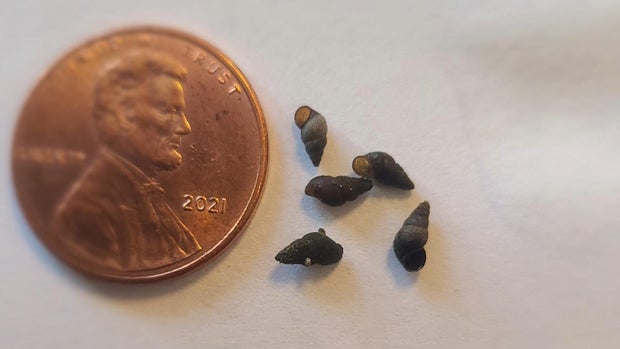
The New Zealand mudsnail is only about 1/8th of an inch long. It will have five to six whorls on its shell, which varies in color from black to light brown. It can tolerate a variety of habitats.
One female snail can result in a colony of 40 million snails in just one year. In addition to crowding out other species, the DNR says the snails offer fish little nutritional value. In the long run, this can affect the health and population of wanted species such as trout.
State biology officials ask the public to report the location of a suspected discovery of an invasive species in Michigan at the DNR website.


