Domestic Auto Companies Improve Their Relationship With Suppliers
by Jeff Gilbert
WWJ AutoBeat Reporter
BIRMINGHAM (WWJ) A closely watched study says the relationships the domestic auto companies have with their suppliers have reached the point where those relations are comparable with those of the Japanese automakers, which once had a significant edge.
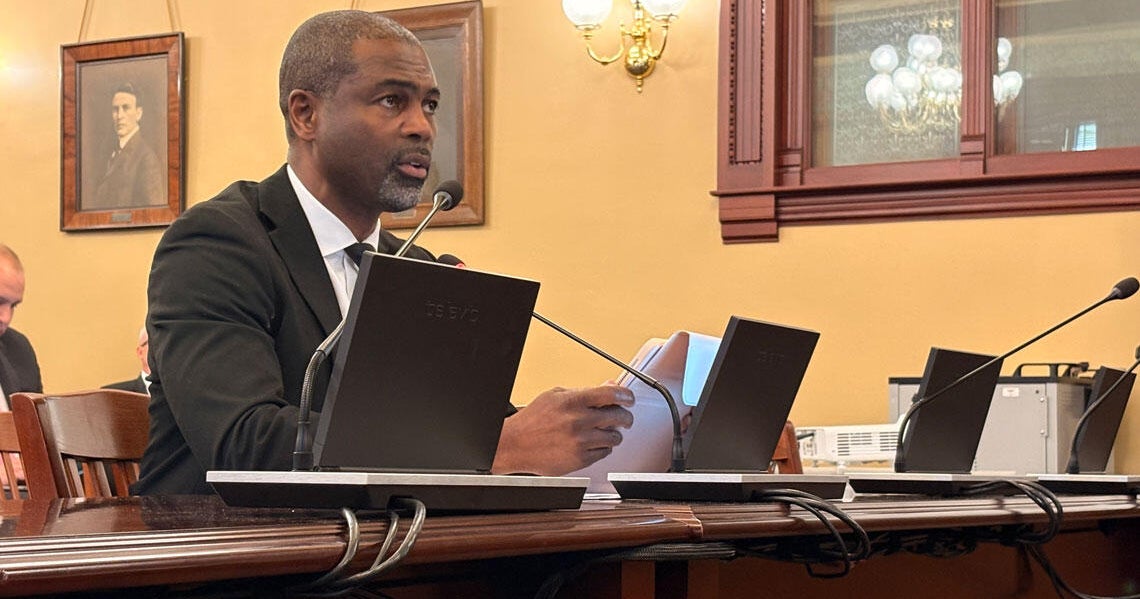
"What we now have to do is look at each OEM, whether it's domestic or Japanese, independently, and look at what they are each doing," says John Henke, President of Planning Perspectives, which conducts the survey annually.
For eleven years, the "Working Relations Index" has studied the relationships between suppliers and the domestic three automakers, as well as the three Japanese "transplants"—Toyota, Honda and Nissan—that are doing in the United States.
The results have Toyota returning to first place, with a narrow lead over Honda and Ford. While General Motors and Chrysler are again at the bottom of the list, Henke says they have both shown great improvement.
"They have publicly announced that they want to improve relations," said Henke. "They have publicly announced what they are doing to improve relations and the data that we have this year shows that unquestionably, they are moving in the right direction."
The gap between first and last place has narrowed significantly from previous years.
Even though Toyota regained the top spot, Henke says its relations with suppliers have suffered because of the recalls last year and the earthquake related parts shortages this year.
"I know for a fact that it certainly has caused them to put less emphasis on their supplier relations than they have otherwise," Henke told WWJ AutoBeat reporter Jeff Gilbert. "Nonetheless, they are still very, very concerned about the drop, and working very hard to turn that around, and it appears that has begun."
Henke says there are still a couple of areas where domestic car companies need to improve their supplier relationships. Suppliers claim that the domestic companies demand too much in the way of ownership of the suppliers' intellection property. The other is the ongoing complaint of too many late engineering changes.
For the first time the study also ranked German automakers doing business in the United States. All three did well, said Henke, with Mercedes ahead of BMW and Volkswagen.
Because it's the first time the German companies have been ranked, so Henke didn't believe it was fair to have them compete head to head with the other automakers. But, if they did, Henke says Mercedes would have edged out Toyota for the number one slot.
Henke says this study is about more than just "feel good" relations between an auto company and their suppliers. It's about long term business relationships.
"We know unquestionably that suppliers share innovation depending upon how good the relations are with the OEM's," he said. "Well, if you want to have good innovation, and be best with innovation, you better have the best relations with your suppliers."