Water delivery into Northern Colorado reservoir delayed after previous uranium discovery

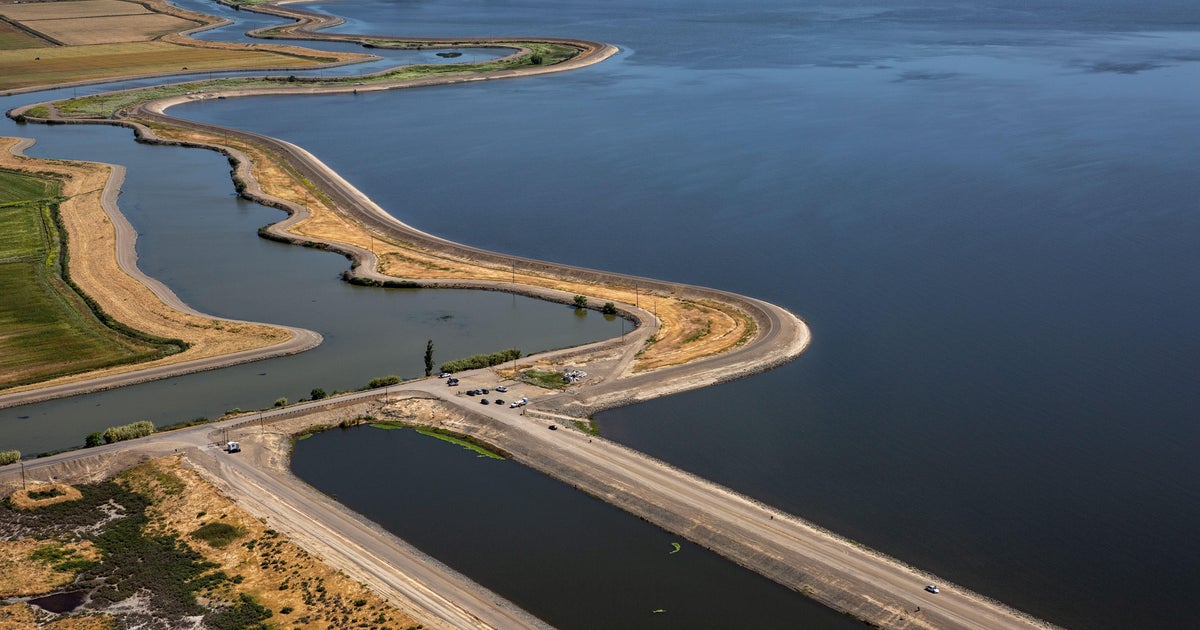
Delivery of water into the Chimney Hollow Reservoir and Dam -- set to be the tallest dam in the U.S. built in several decades -- in Northern Colorado is being pushed back after uranium was discovered at the site this past summer.
It was discovered just weeks before construction was expected to be complete in June. The water utility and planners on the project near Berthoud said on Wednesday that the delivery of water to the reservoir will be pushed back to early 2026. It was originally scheduled for this month.
Planners say the delay will allow officials to collect more water quality data.
"After the discovery of naturally occurring uranium at Chimney Hollow Reservoir, many avenues of data collection have been initiated to learn more about this situation and inform mitigation decisions," Northern Water, the water utility, said in a statement on Wednesday. "In mid-October, Northern Water announced that a small amount of water (less than two percent of the total capacity) would be moved into the reservoir to allow time for real-time data collection and investigations to advance."
Earlier this month, planners said mitigation efforts involved burying excess rock under a layer of sealing clay, "which will effectively minimize uranium leaching from these materials."
Uranium is typically associated with nuclear weapons and power. The radioactive element was first detected at the end of 2024, but Northern Water was unable to determine the source of the uranium until this past summer.
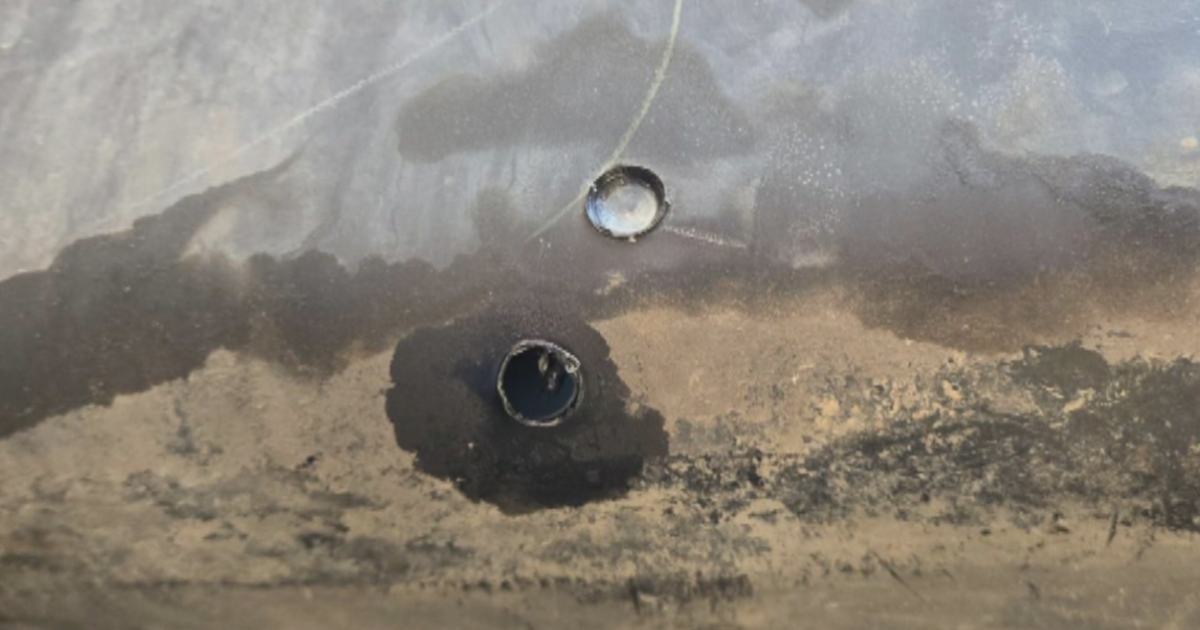
It said the uranium was coming from the rocks used to build the 350-foot dam, which were mined from the land they planned on flooding with water.
Northern Water said it was working with the U.S. Environmental Protection Agency to monitor the uranium levels. Jeff Stahla, a spokesperson for Northern Water, said the water supplier wanted to be transparent with the community.
The project is expected to serve more than 1 million Colorado residents and has been in the making for decades.
Work will resume after water quality tests show it's safe.
"Project participants have not expected or planned for delivery of water to occur for several years, and this postponement will not affect community water supplies," Northern Water said on Wednesday.