University Of Colorado Trains For Medical Missions In Space
BOULDER, Colo. (CBS4)- With a renewed push from NASA to be back on the moon and eventually Mars, there's attention being put on a new frontier, medicine in space. The University of Colorado Boulder and University of Colorado Anschutz have partnered up to offer a first of its kind course focused on training a new kind of first responder.
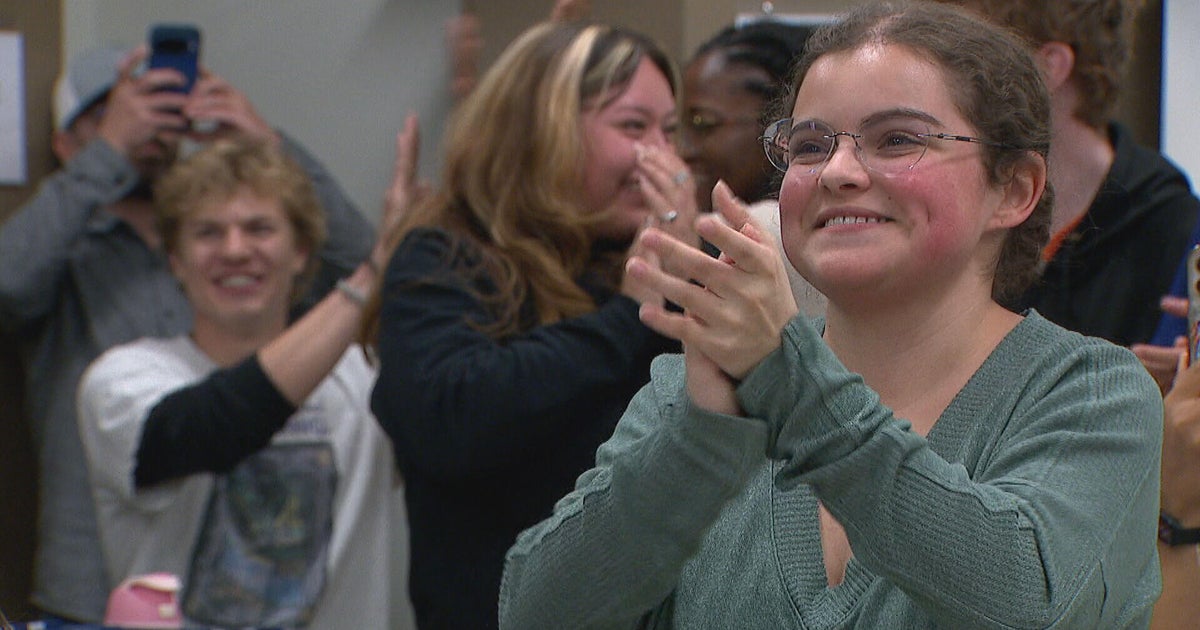
"Most of the simulations start with a general mission task," CU Boulder student Maria Callas said.
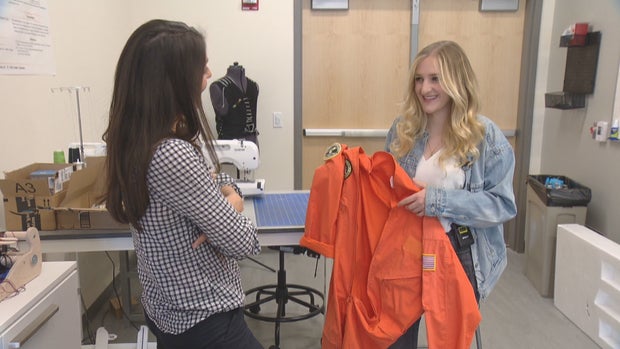
Callas is a junior with a focus on aerospace and electrical engineering, she's also one of the first students to take the medicine in space course, designed to bridge the gap between the two fields.
"I was like, 'Oh my gosh… this is so me,'" Callas said.
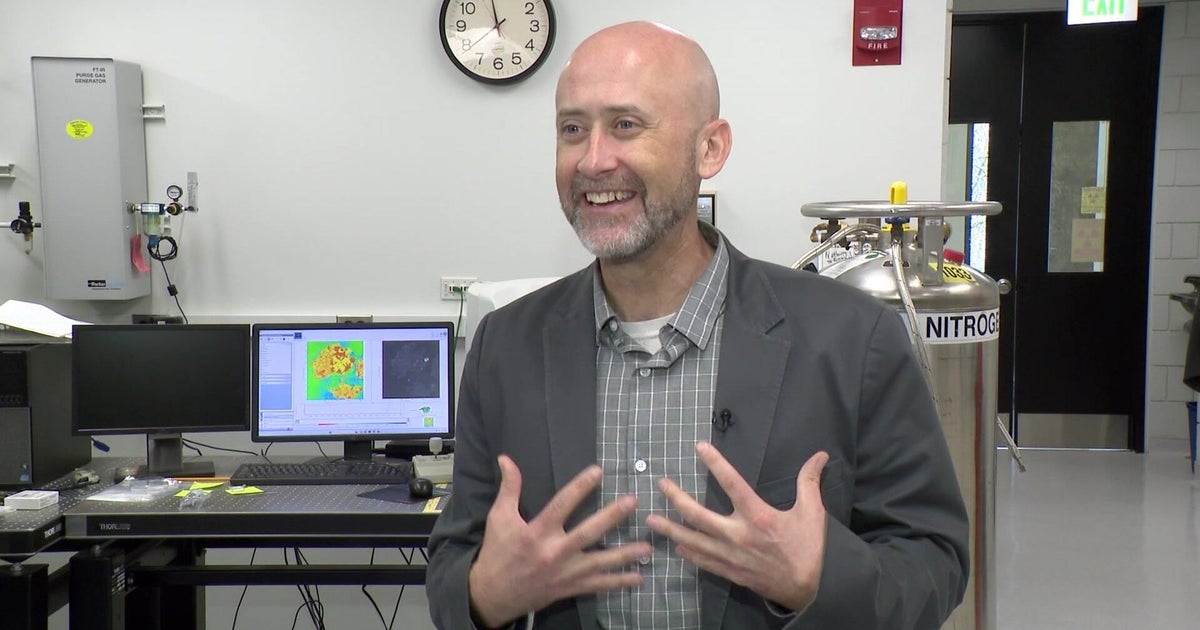
Dr. Allison Anderson is an Assistant Professor of Aerospace Engineering at The University of Colorado Boulder.
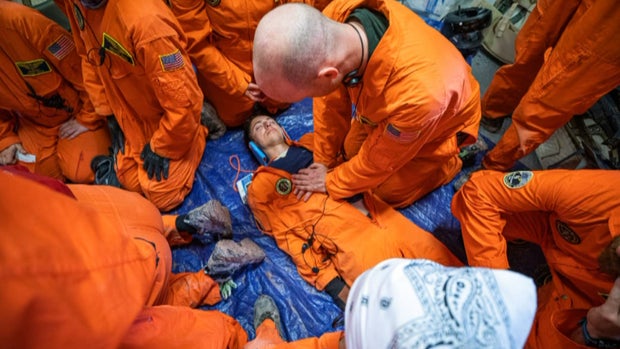
"It's inevitable if you are on a three-year mission to mars it's inevitable that something's going to happen," she said.
Anderson and Dr. Benjamin Easter an Assistant professor of Emergency Medicine at the University of Colorado Anschutz partnered together to develop the course.
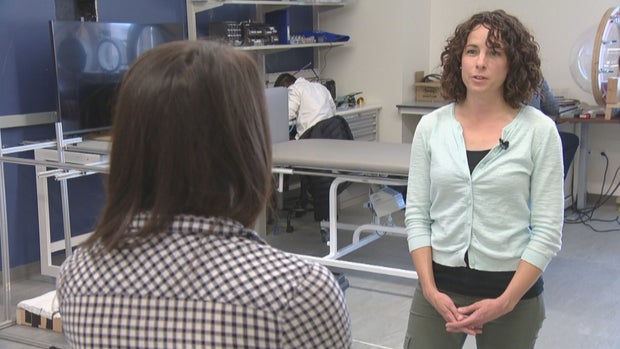
"Having people be trained and to think about how to design medical devices that can work in those environments is really important and it's a challenge we haven't really truly faced before," Anderson said.
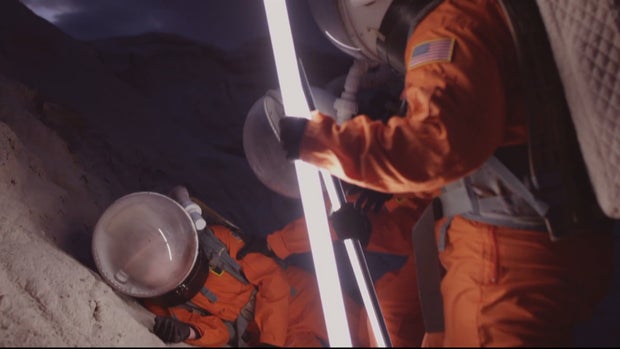
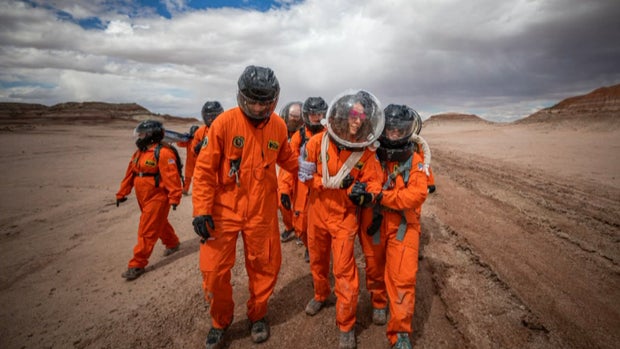
After learning wilderness medicine and emergency medical training in the classroom, students take that knowledge into space… or as close as they can get with a trip to the Mars Desert Research Station in Utah, which is run by the Mars Society.
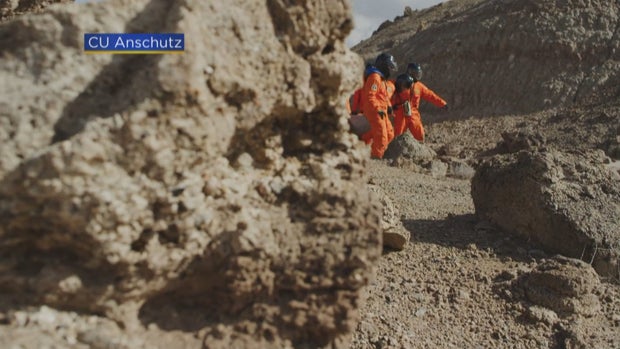
"It really starts to feel real when you put on your backpack and your helmet and you go into the airlock area," Callas said.
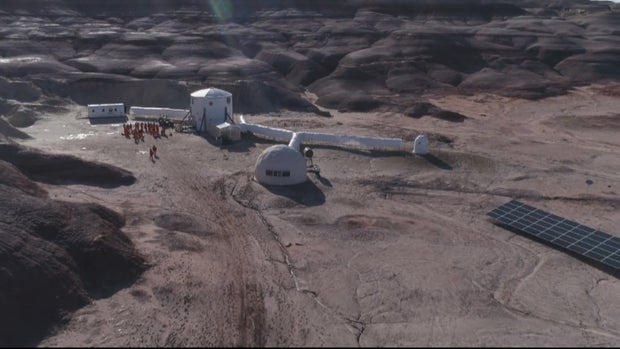
While working in the field students are given missions. While out working to complete their missions they are faced with emergency medical situations.
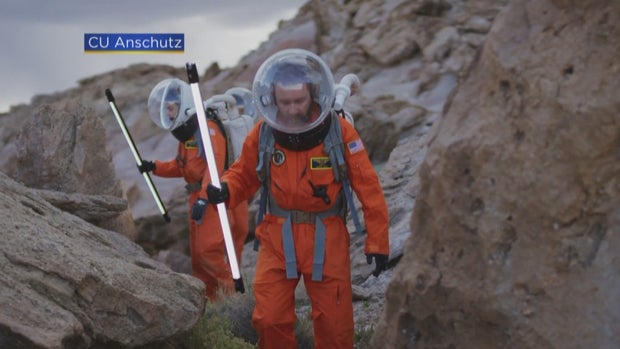
"When you force someone to run through those scenarios and see just how limited our current capabilities are it really helps them think of creative solutions for the future which are going to be required when we are able to send people to mars," Anderson said.
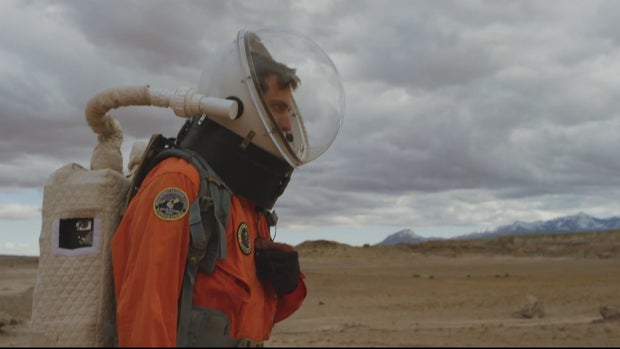
While she says the goal isn't for this group of students to be the first, first responders in space, it is about building a foundation for those who will be.
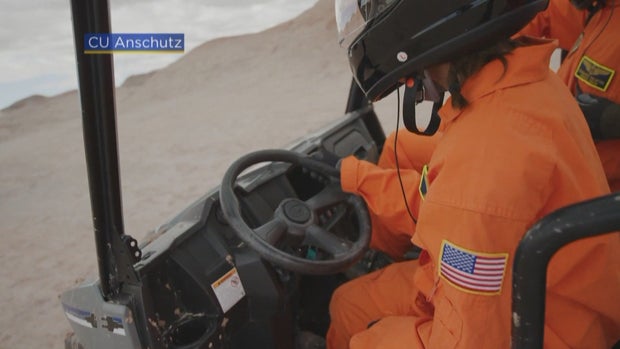
"It was a good opportunity to see the big holes, the key challenges that we need to focus on," Callas said.
The course will be offered again in the Spring and is open to all students.