Denver health inspectors sometimes pour bleach on food when a vendor's operation is deemed unsafe. Find out why.

Denver Health inspectors took CBS Colorado through a food truck inspection this week to show how they enforce safety rules after video of bleach being poured on a street vendor's food sparked backlash.
Inspectors with the Denver Department of Public Health and Environment say they have been monitoring the vendor known as Tacolorado for several weeks. According to the department, the operation repeatedly served food without a business license, stored meat at unsafe temperatures and used propane cooking equipment in ways that posed fire hazards.
DDPHE says its investigators communicated entirely in Spanish with the vendor's employees and provided bilingual education materials, safety guidance and issued cease-and-desist orders. The department says it also emailed and mailed Spanish-language notices to the owner, Isidro García Barrientos, using contact information shared by another county's health department.
According to DDPHE, the vendor never provided direct contact information and continued operating after being ordered to stop.
But García Barrientos tells CBS News Colorado that he was never properly notified. He says he wants the city to guide him through the licensing process and that he's not intentionally breaking rules.
García Barrientos says he is looking to rent a food truck and is actively searching for a licensed commercial kitchen to prep and store food -- a requirement for mobile vendors -- but says the cost is a major barrier.
According to DDPHE, Tacolorado failed three formal inspections:
- Oct. 28: Investigators found about 120 pounds of meat on a vertical broiler at unsafe temperatures and issued the first cease-and-desist order.
- Oct. 31: A second inspection resulted in 25 pounds of pork, carnitas, asada and salsa being denatured and discarded.
- Nov. 15: Inspectors say workers attempted to lock about 100 pounds of pork and chorizo inside a box truck to prevent the food from being destroyed.
- Nov. 17: A second administrative citation was mailed, and the team is working on third administrative citation.
It was during this third encounter that bleach was poured on the food -- a step DDPHE says was necessary to prevent the contaminated meat from being transported and resold. The department says the food was then bagged and properly disposed of.
The department says of the 3,077 full inspections this year, 349 of them involved food disposals. An estimated 2% of those involved bleach.
"Our fear was that they were going to take that food and sell it someplace else where it can make somebody sick," said Emily Williams with the Denver Department of Public Health and Environment.
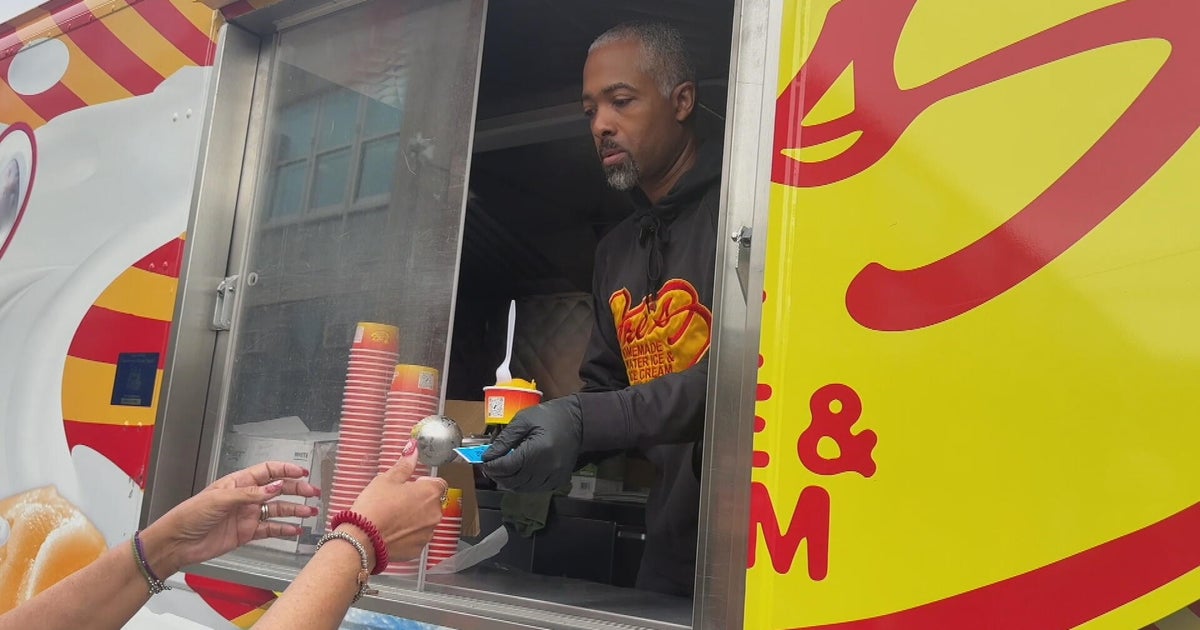
To show what compliance looks like, inspectors walked CBS Colorado through an inspection at Saucy Chops, a licensed food truck that has operated in Denver for five years.
According to officials, every mobile vendor must have:
- A hand-washing sink with hot water
- A sanitizing solution
- Refrigeration capable of holding food at 41°F or below
- Hot food maintained at 135°F or above
- Access to a licensed commercial kitchen
Inspectors say these standards are crucial to preventing foodborne illness.
"No matter where you eat, we want you to know your food is safe," said Williams.
According to the Licensing and Consumer Protection department in the City and County of Denver, records of food trucks and food carts that are operating legally are up Denver since 2022 (682) to now, (709).
Eric Escudero with Licensing and Consumer Protection says they cannot find a record of any pending or previous food license application for Tacolorado or the owner. Therefore, any claims of a pending license application are false.
He also adds that for a business owner to set up a taco stand on a public sidewalk, there are a lot of items that need to be done to operate legally, which include not blocking the access to the public right-of-way and making sure the food is safe. They would also have to apply for a right-of-permit with the Denver Department of Transportation and Infrastructure.
"It is unlawful to just pick a street corner or exit off the highway in Denver and operate a business on public property due to safety concerns and concerns about blocking access to areas the public travels. It can especially make things difficult for people with disabilities to navigate when a sidewalk is blocked," said Escudero.
DDPHE says it recognizes that many unlicensed vendors are trying to support their families and may struggle with the cost of permits, equipment, and commercial kitchen space. The city says it offers bilingual resources and guidance to help vendors meet requirements.
But officials also say unlicensed operations create unfair competition for small businesses that invest in licenses, inspections and approved kitchen facilities.
The department encourages customers who suspect foodborne illness to report symptoms anonymously through 311, which helps investigators track potential outbreaks.