Sinclair Oil failed to notify Colorado state regulators about contaminated gas, calling it an "oversight"
Approximately 1,000 complaints were filed after people in Colorado purchased contaminated gas from stations across the Front Range. Although Sinclair Oil learned that the gasoline it distributed was contaminated at 6 a.m. on Thursday, January 8, the company admits it failed to notify Colorado's Division of Oil and Public Safety, saying in an email that it was an "oversight not to contact OPS on Friday morning."
Instead, according to a series of emails between the state and Sinclair, Colorado gasoline regulators learned of the incident only after receiving consumer inquiries and contacted Sinclair the next day for more information.
Cher Haavind, Deputy Executive Director of the Colorado Department of Labor and Employment, told CBS News Colorado, "We would've liked Sinclair to have informed us right when they identified the problem, rather than us discovering it through an influx of consumer complaints and coordination with industry partners."
CBS Colorado obtained roughly a dozen emails exchanged between Sinclair and OPS under an open records request. The emails suggest ongoing frustration for the state, which has now received 1,000 consumer complaints about what happened, according to Haavind.
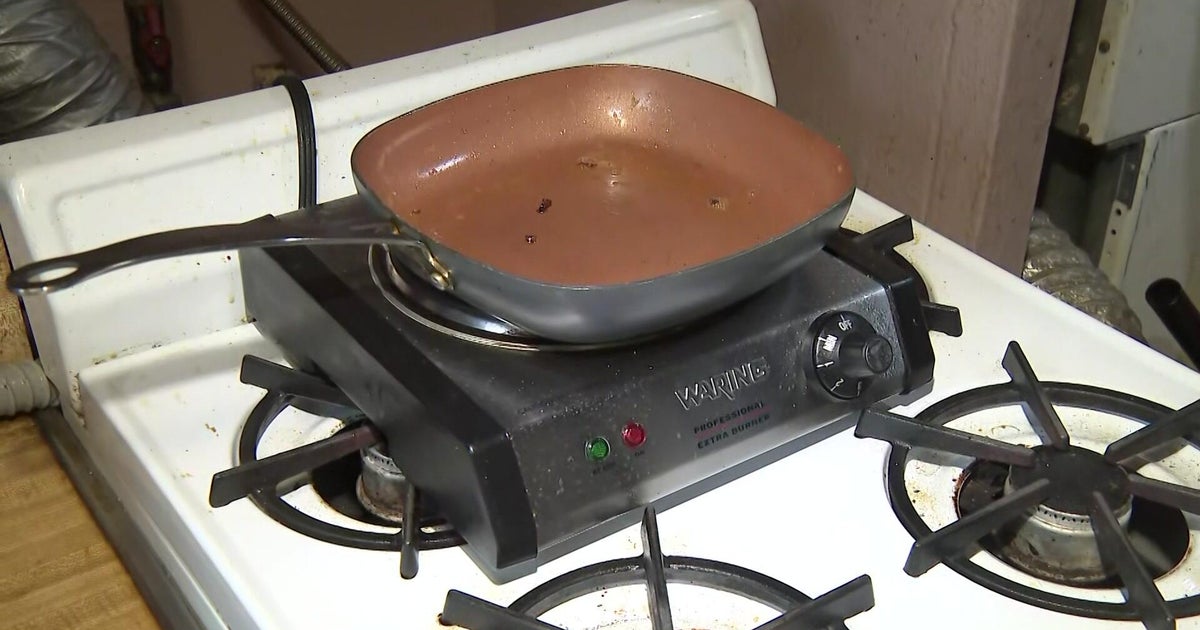
Diesel fuel was loaded into gasoline tankers at an HF Sinclair distribution terminal in Henderson, and the faulty loads were then sent to gas stations across the Front Range. The contaminated gas was then sold to consumers who complained their vehicles stalled, didn't operate properly due to the tainted gasoline or stopped working. Many have said repairs to their vehicles will cost thousands of dollars.
In a statement to CBS Colorado on Thursday, Sinclair spokesperson Corinn Smith said, "A thorough investigation is still underway, and we will continue to work with the Division of Oil and Public Safety."
The state has given Sinclair until Friday, January 30, to reveal the root cause of the mix-up.
In an email from Sinclair to state regulators, a Sinclair employee wrote, "The error was discovered when a customer notified the Terminal of an abnormal color in the product."
In the back-and-forth emails, Colorado state regulators seemed frustrated with Sinclair's process and pace, asking why the state was not officially notified about what happened until they contacted Sinclair on January 9.
"HF Sinclair was focused on the immediate response to the incident. HF Sinclair briefed OPS and CDLE(Colorado Division of Labor and Employment) on Friday afternoon and is committed to working closely with OPS through this process", said one email response from Sinclair.
But the process- judging by the emails- seemed to take too long and not be transparent enough for Colorado gasoline regulators, who asked Sinclair for days for a list of gas stations where the tainted fuel was sold.
On January 12, four days after the contamination was discovered, Zach Hope, the petroleum manager for the Division of Oil and Public Safety, emailed Sinclair's Manager of Government and Public Affairs, Steven Emmen, writing, "We are very interested in ensuring a list of all affected gas stations is developed very soon. I am encouraging you to do everything in your power to work with the distributors to develop a list," wrote Hope, "This is, to my knowledge, an unprecedented event, and it requires an extraordinary response. The State of Colorado (including the Governor's Office) is most interested in a swift publication of all affected gas stations while we review our potential enforcement mechanisms. The development of such a list would go a long way in showing HF Sinclair's commitment to help affected customers."
The following day, January 13, Emmen provided the state with a list of Colorado gas stations that distributed the tainted product.
"This list has taken longer than we would have liked, as we needed to work through confidentiality clauses in contracts with our distributors", explained Emmen. He said in his email that Sinclair was "committed to making this right for all affected."
Haavind said the state has asked Sinclair for a written update by Friday, January 30, on what the oil companies' investigation shows happened. Haavind added that, up until now, the state has had no rule or law on when an oil company should notify it of an event like this. But she said this case is prompting the state to revisit its rules and regulations to determine which notification requirements and potential violation fees should be added to the state's enforcement authority.