Colorado health expert offers help for those grieving in the wake of Evergreen High School shooting

Community members can be affected in a variety of ways following a tragic event like Wednesday's shooting at Evergreen High School in Colorado. Denver Health is sharing information on what to expect, particularly for younger individuals, and when to seek help.
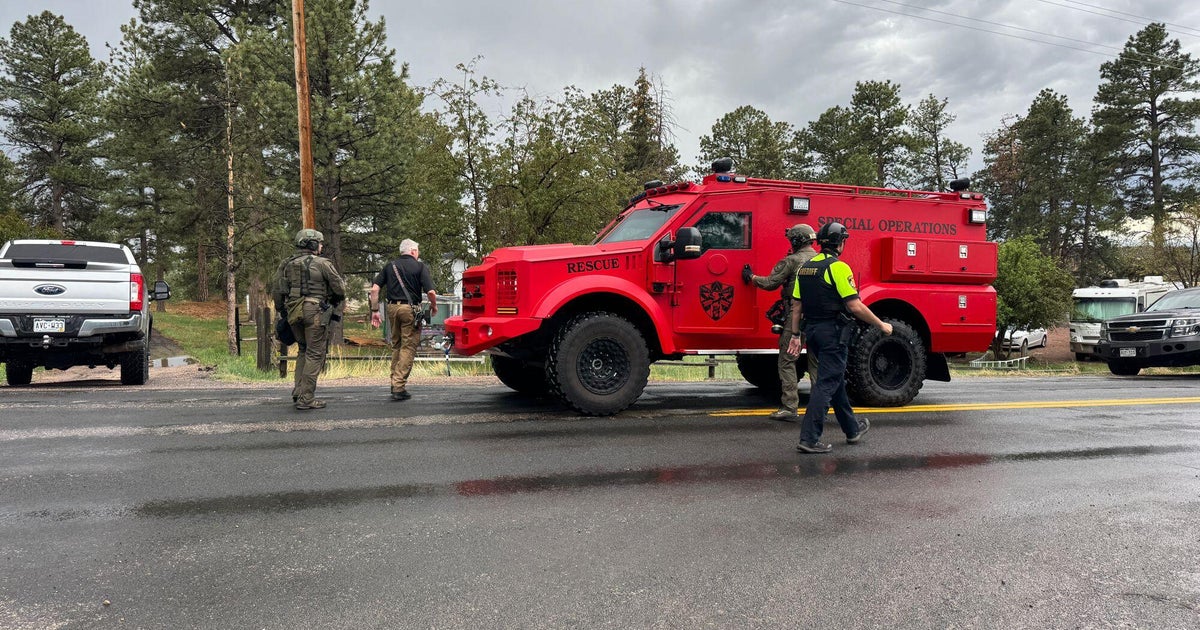
The community of Evergreen and people across the state watched in shock at the shooting that resulted in injuries to two students and the death of the suspect from a self-inflicted gunshot wound. Students were at lunch when gunshots rang out, leaving many confused and running for safety.
"It's a tragic day in Jefferson County as we have experienced previously. Our hearts go out to everyone affected by this senseless shooting today," said Jefferson County Sheriff Reggie Marinelli.
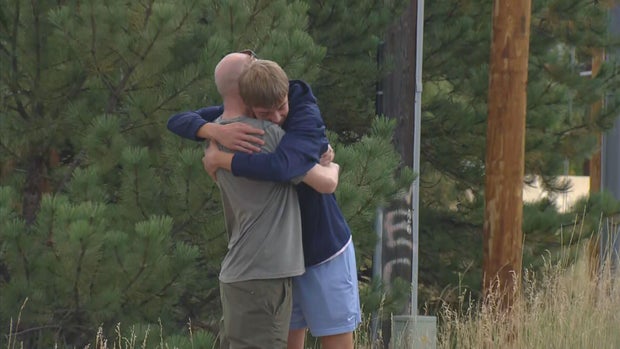
As law enforcement works to unravel what happened, students and their families are left to deal with the pain and grief left behind. Dr. Christian Thurstone, the Chair of Behavioral Health Services at Denver Health, said it's important to note that there is no right or wrong way to react.
"People can be afraid, people can be angry, they can be sad. Grieving children sometimes can't express their emotions, so they express it through their bodies," he explained. "And so, they can have stomach aches, headaches, things like that, insomnia, difficulty sleeping, less appetite."
More than that, Thurstone says there can be longer term side effects to experiencing this type of trauma. "Some children, some adults, have long term effects where they can see things, they can hear things, smell things that take them back to this terrible memory that they may have."
Many people may experience what he called post-traumatic growth, in which they might develop a newfound ability to connect with others, new perspectives and develop new wisdom. Most people begin to move towards a more normal level of functioning after a month or two, Thurstone explained.
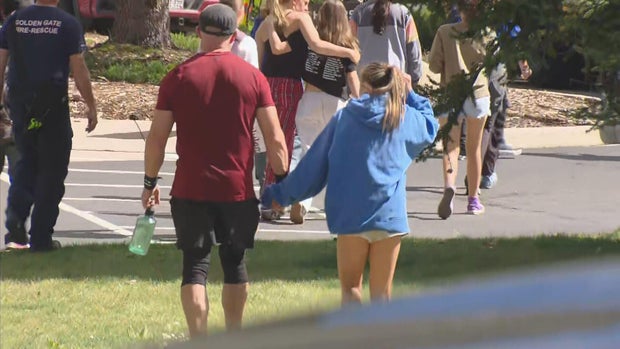
Thurstone said the most important thing for those who have been through a traumatic experience is connection. He asserted that children and adults need to talk about their feelings because avoidance will cause isolation and further issues.
"So what we want to do first is ensure safety, security, connection. And then, after that, it's okay for children and adults to talk about these feelings, because avoidance leads to more avoidance leads to more avoidance, and your world gets smaller and smaller," he cautioned. "But, as we're able to talk about our stories, share it with other people, our world gets bigger and bigger."
Those watching traumatic content on the news or online, particularly if it includes images, may be affected by what's called secondary trauma, or vicarious trauma. Thurstone said it's best to limit the exposure younger children have to these kinds of events.
People like therapists, child welfare workers, first responders, teachers and others who may regularly work with traumatized individuals can also develop emotional distress. This can happen regardless of whether or not the person has experienced trauma themselves.
This shooting may be particularly difficult for members of the community who were affected by the 1999 Columbine High School massacre, which also took place in Jefferson County.
"Our hearts go out again to everyone affected by this. To our community. This is not just the people it affected today, but the people that have been affected previously, where this is going to bring up some of what has happened in the past. A lot of care and concern for anybody and everybody that this affects," said Marinelli.
Thurstone said if someone's experiencing intense grief after two months, it's important to seek help. There are adult mental health and youth counseling resources available through I Matter Colorado. Those struggling can also call or text 988, the Suicide and Crisis Lifeline.